
-
cigarette smoke odor removal, fire damage restoration, lexington, kentucky, mold inspection company, mold removal service, smoke odor removal, Water Damage, water damage cleanup, water damage cleanup company, water damage mitigation, water damage mitigation company, water damage restoration, water removal service near me, water restoration company
7 Hidden Signs of Water Damage in Your Home or Business
Serving All Of Central Kentucky


We are an IICRC Water Damage Restoration Master Restorers

Book Now

We Are Also IICRC Certified Master Fire Damage Restorers Click To Book
24 HR Water Removal Services Click To Call
-
The Importance of Exterior and Interior Waterproofing

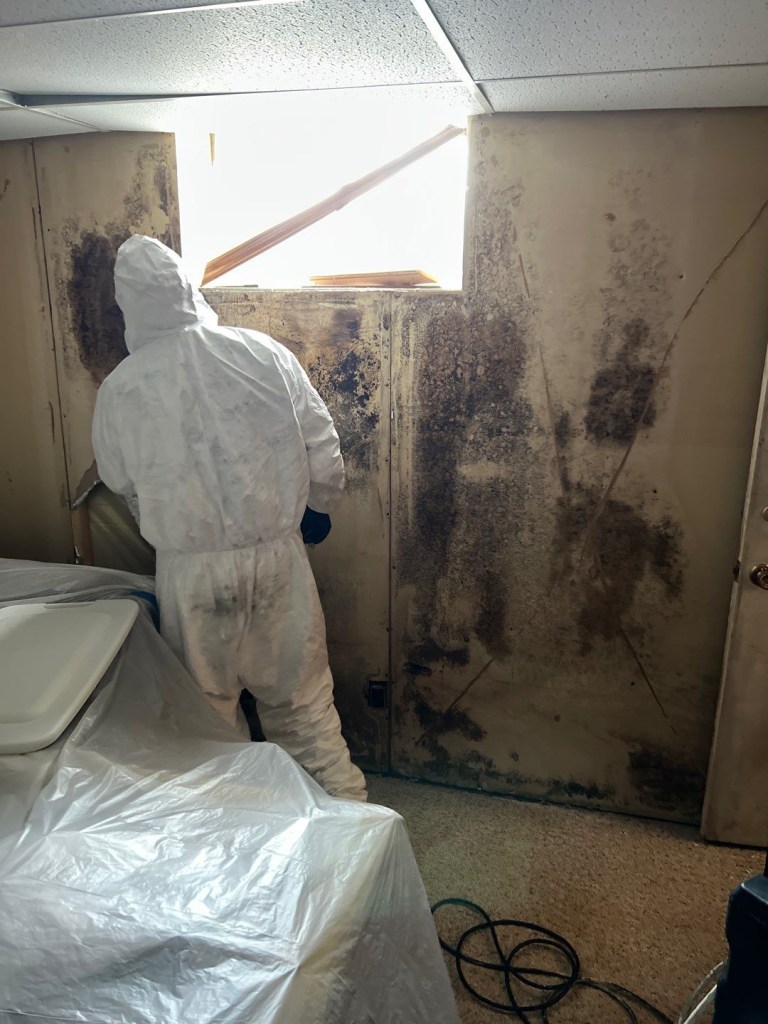
This basement was below grade, the waterproofing product used to seal the exterior when constructed, had degraded and delaminated over time. The Importance of Exterior and Interior Waterproofing
Waterproofing is an essential aspect of maintaining the structural integrity and longevity of any property. Whether it’s a residential home, a commercial building, or an industrial facility, ensuring that both the exterior and interior are well-protected from water damage can save you significant time, money, and stress in the long run. Here’s why you might need exterior or interior waterproofing and how it can benefit your property.
Understanding Exterior Waterproofing
Exterior waterproofing focuses on protecting the outer structure of a building from water infiltration. This type of waterproofing is crucial for several reasons:
- Preventing Structural Damage: Water seepage can weaken the foundation, leading to cracks and structural instability. Exterior waterproofing helps keep water away from the foundation, preserving its strength and durability.
- Mold and Mildew Prevention: Moisture can create an ideal environment for mold and mildew growth, which can cause health issues and damage building materials. Exterior waterproofing reduces the risk of mold and mildew by keeping water out.
- Enhancing Property Value: A well-maintained, waterproofed exterior can increase your property’s market value. Potential buyers are likely to pay more for a home or building that doesn’t have water damage issues.
- Energy Efficiency: Waterproofing can also improve your property’s energy efficiency. Proper insulation and waterproofing can help maintain indoor temperatures, reducing the load on heating and cooling systems.
The Role of Interior Waterproofing

Annual inspections are needed to maintain waterproofing efforts all of our waterproofing installations come with regular maintenance and inspections Interior waterproofing is equally important and serves as an additional line of defense against water intrusion. Here’s why you might need interior waterproofing:
- Basement Protection: Basements are particularly susceptible to water infiltration. Interior waterproofing helps keep basements dry, preventing damage to personal belongings and reducing the risk of mold growth.
- Mitigating Existing Water Problems: If your property already has water issues, interior waterproofing can help manage and reduce the impact. This approach includes installing sump pumps, interior drainage systems, and waterproof coatings.
- Health and Safety: A dry interior environment is crucial for maintaining good indoor air quality. Waterproofing helps prevent mold and mildew, which can cause respiratory problems and other health issues.
- Longevity of Building Materials: Water damage can cause significant wear and tear on building materials. Interior waterproofing protects walls, floors, and other structures from moisture, prolonging their lifespan.
Choosing the Right Waterproofing Solution
Determining whether you need exterior or interior waterproofing—or both—depends on your specific situation. Here are some factors to consider:
- Climate and Weather Conditions: Properties in areas with high rainfall or prone to flooding may benefit more from exterior waterproofing.
- Age and Condition of the Property: Older properties with existing water damage may require comprehensive interior waterproofing solutions.
- Budget and Resources: While exterior waterproofing is typically more expensive, it offers long-term benefits. Interior waterproofing can be a cost-effective solution for managing current issues.
Professional Waterproofing Services

IICRC Water-Mold-Smoke-Fire Damage Certified Professionals Call ☎️ 859-267-3482 At Property Damage Solutions, we specialize in both exterior and interior waterproofing services. Our team of experts can assess your property, identify potential water intrusion points, and recommend the best solutions to protect your investment.
Conclusion
Waterproofing is not just an optional upgrade; it’s a necessary step to protect your property from the damaging effects of water. Whether you need to safeguard the exterior, manage existing interior issues, or both, professional waterproofing services can help you maintain a safe, dry, and valuable property. Contact us today to learn more about our comprehensive waterproofing solutions and how we can help you achieve peace of mind and long-term property protection.
For more information, visit Property Damage Solutions or give us a call at 859-302-9666. Let us help you keep your property safe from water damage.
-
Understanding Whiskey Fungus: Causes, Effects, and Prevention


Whiskey Fungus Is A Black Mold Whiskey fungus, also known as Baudoinia compniacensis, is a type of black mold that commonly grows on buildings and structures near whiskey distilleries and other facilities where ethanol is produced. While whiskey fungus itself does not pose significant health risks to humans, it can cause aesthetic and structural damage to buildings and outdoor surfaces. In this article, we’ll explore the causes, effects, and prevention measures for whiskey fungus.
Causes of Whiskey Fungus:
Whiskey fungus thrives in environments with high levels of ethanol vapor, which are typically found near distilleries, breweries, and other industrial facilities where alcohol is produced. The fungus feeds on the ethanol vapors released during the fermentation and aging processes, as well as on other organic compounds present in the air.

Houses Near Distilleries Commonly Need Pressure Washed And Treated Effects of Whiskey Fungus:
- Aesthetic Damage: The most noticeable effect of whiskey fungus is the black staining it creates on outdoor surfaces such as buildings, fences, and trees. These unsightly stains can detract from the appearance of properties and structures, leading to concerns among property owners and communities.
- Structural Damage: In addition to aesthetic concerns, whiskey fungus can also cause structural damage to buildings and other surfaces over time. The fungus can penetrate and degrade certain types of building materials, including wood, concrete, and metal, potentially compromising their integrity and longevity.
- Environmental Impact: Whiskey fungus releases spores into the air, which can spread and settle on nearby vegetation, soil, and water bodies. While the impact of whiskey fungus on the environment is relatively minimal compared to other types of pollution, it can still contribute to ecological changes in affected areas.

We use a plant based anti microbial in our monthly treatments for clients as well as thorough inspections to the most vulnerable areas of the home. These monthly treatments are for any microbes as well as whiskey fungus. Prevention of Whiskey Fungus:
- Site Selection: When planning the location of a distillery or industrial facility, consider the surrounding environment and potential impacts on nearby properties. Choose sites with adequate distance from residential areas and sensitive ecosystems to minimize the risk of whiskey fungus growth.
- Emissions Control: Implement measures to control and reduce emissions of ethanol vapors and other organic compounds from production processes. This may include installing vapor recovery systems, improving ventilation, and optimizing fermentation and aging techniques to minimize emissions.
- Surface Treatments: Apply protective coatings or sealants to outdoor surfaces to create a barrier against whiskey fungus growth. These treatments can help prevent the fungus from establishing a foothold and make it easier to clean and remove any staining that does occur.
- Regular Maintenance: Implement a regular maintenance schedule to inspect and clean outdoor surfaces for signs of whiskey fungus growth. Promptly remove any black stains using appropriate cleaning methods and products to prevent further spread and damage.
- Community Engagement: Foster open communication and collaboration with local communities and stakeholders to address concerns related to whiskey fungus. Educate residents and property owners about the causes and effects of the fungus and involve them in discussions about prevention and mitigation strategies.
Conclusion:
Whiskey fungus may not pose a direct health risk to humans, but its presence can have significant aesthetic and structural impacts on buildings and outdoor surfaces near distilleries and industrial facilities. By understanding the causes of whiskey fungus and implementing proactive prevention measures, we can minimize its effects and preserve the integrity and beauty of our communities.
For professional assistance with whiskey fungus removal and prevention, contact Property Damage Solutions at (859) 302-9666 or email propertydamage123@gmail.com.
We Are IICRC Certified Mold Removal Specialists Call, Text, Email, we do emergency water extraction 24/7/365
-

Emergency Water Extraction from Basements and Crawlspaces in Richmond, Kentucky
Emergency Water Extraction from Basements and Crawlspaces in Richmond, Kentucky
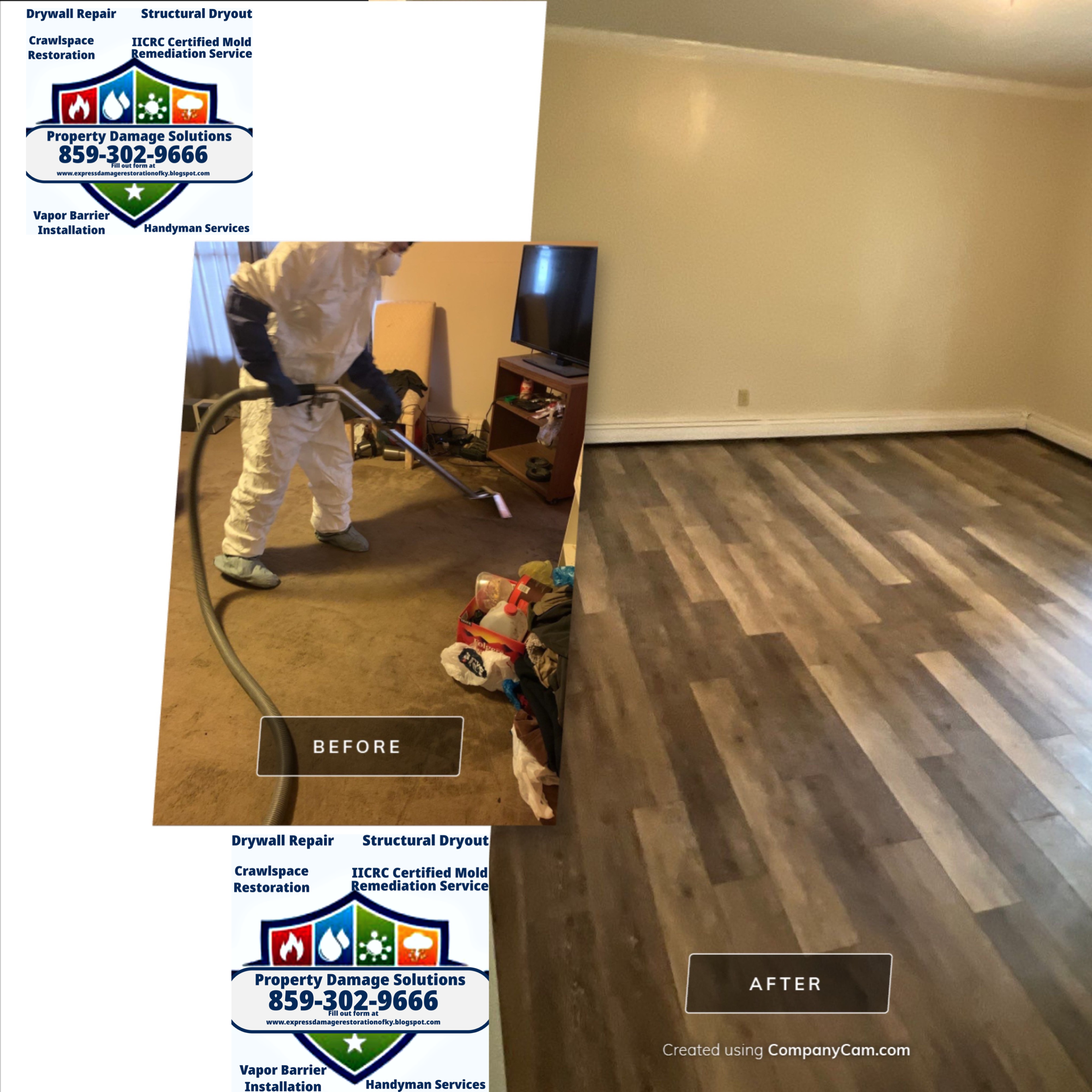
When disaster strikes, swift action is crucial to minimize damage and restore normalcy. At Property Damage Solutions, we specialize in emergency water extraction services for basements and crawlspaces in Richmond, Kentucky, and surrounding areas of central Kentucky. With our prompt response and expertise, we’ll help you mitigate water damage effectively, ensuring your property is restored to its pre-loss condition.
Expert Water Extraction Services
Our team of skilled professionals is equipped with state-of-the-art equipment and industry-leading techniques to tackle water emergencies of any scale. Whether it’s a burst pipe, flooding, or any other water-related catastrophe, we’re here to provide swift and efficient water extraction services.
Comprehensive Assessment and Planning
Upon arrival at your property, our certified technicians will conduct a thorough assessment of the water damage. We’ll determine the extent of the damage and formulate a tailored plan to address the situation effectively. Our goal is to minimize disruption to your life and property while ensuring thorough water extraction and drying.
Advanced Equipment and Techniques
At Property Damage Solutions, we utilize advanced water extraction equipment, including powerful pumps, extractors, and dehumidifiers, to remove water quickly and efficiently. Our team is trained in the latest techniques for water removal and structural drying, ensuring that your property is dried thoroughly to prevent mold growth and structural damage.
24/7 Emergency Response
Water emergencies can happen at any time, day or night. That’s why we offer 24/7 emergency response services to our clients in Richmond, Kentucky, and the surrounding areas. You can count on us to be there when you need us the most, ready to provide immediate assistance and peace of mind.
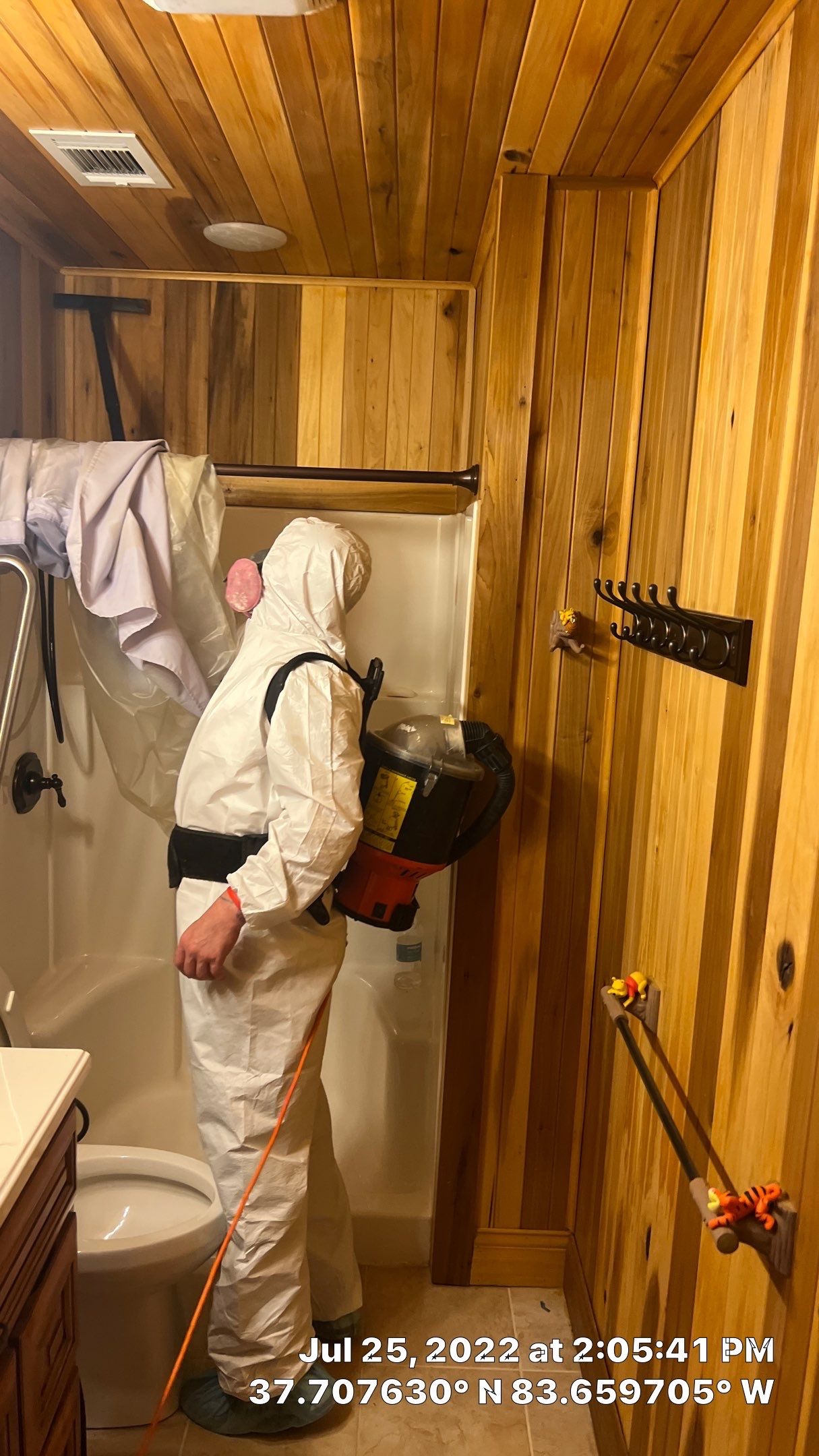
Licensed, Bonded, and Insured
Property Damage Solutions is a licensed, bonded, and insured water damage restoration company. We adhere to the highest industry standards and regulations to ensure the safety and satisfaction of our clients. With us, you can rest assured that your property is in capable hands.
Contact Us Today
 Call ☎️ 859-302-9666
Don’t let water damage wreak havoc on your property. If you’re facing a water emergency in your basement or crawlspace, don’t hesitate to contact Property Damage Solutions at 859-302-9666. Our team is standing by to provide prompt, professional assistance and help you restore your property to its former glory.
-
How Does A.T.P testing work

The following article explains; How Does A.T.P testing work.
ATP (Adenosine Triphosphate) testing is a method used to determine the presence of biological contamination, such as bacteria, yeast, or mold, in a sample. The test works by measuring the amount of ATP (a molecule found in all living cells) in a sample using a luminometer.

A.T.P Testing With A Luminometer Typically, the sample is mixed with a reagent called luciferin, which reacts with ATP to produce light. The amount of light produced is proportional to the amount of ATP present in the sample. The light emission is then measured by the luminometer, and the result is reported in relative light units (RLU). High RLU values indicate high levels of ATP and therefore high levels of biological contamination.
ATP testing is widely used in a variety of industries, including food safety, environmental monitoring, and healthcare, as a quick and simple way to assess the level of hygiene and cleanliness in a given area.
-
lexington, kentucky, mold damage, mold inspection company, mold remediation, mold removal, richmond,Kentucky, Water Damage, water damage cleanup, water damage cleanup company, water damage mitigation, water damage mitigation company, water damage restoration, water removal service near me, water restoration company
How to thaw frozen pipes

For emergency water removal call ☎️ (859)302-2702
Old man winter is unbearable as it is, water damage from burst frozen pipes in the middle of it can be a nightmare. Should your pipes freeze, the following will give you tips on how to thaw frozen pipes.

Tips on thawing frozen water pipes to parent water damage Thawing Frozen Pipes
What to do if a pipe bursts
https://www.lex18.com/news/unprecedented-number-of-water-pipes-break-in-lexington?_amp=true
If a pipe bursts in your home, you’ll need to act fast to mitigate additional damage. Shut off your water as quickly as possible. This will help minimize the amount of water that seeps out inside your walls. You may also want to shut off power in the affected area of your home. After you’ve taken these precautionary steps, it’s time to call a plumber and start mopping up any mess that’s been caused. Try to remove as much of the water and lingering moisture as you can to avoid mold and mildew buildup. Depending on the severity of your case, you may also need to bring in other professionals to address damage to your walls, carpet, flooring or ceiling.
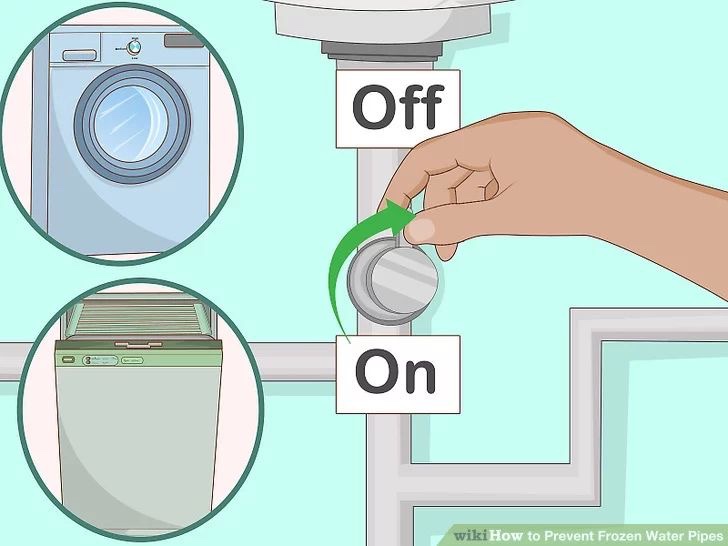
Shit water off to prevent water damage in case a pipe bursts How to thaw out pipes
How can you tell if your pipes are frozen? If you turn on the bathroom or kitchen faucet and see only a few drops or a trickle of water, this could indicate that water inside the pipes has frozen – preventing a free flow. But don’t panic. You may be more equipped to deal with the situation than you think. Here’s a quick lesson on how to thaw a frozen pipe.
Step 1. Turn on the faucet
Keep it running. Allowing the faucet to drip even slightly can help prevent a pipe from bursting. It’s simple – when freezing takes place, extreme pressure builds between the faucet and the ice blockage. An open faucet relieves this pressure buildup, in turn preventing a burst from occurring.
Step 2. Apply heat to the frozen area, thermal energy promotes drying.
Slowly apply heat using a hair dryer. There are several ways to do this. You can wrap the pipes in thermostatically controlled heat tape, or you can use an external heat source such as a hair dryer or space heater. Do not use a propane torch as this can damage the pipe and present a fire risk.
If you decide to use a hair dryer, begin directing air close to the faucet end of the pipe and gradually move toward the coldest section. Be careful not to overheat the hair dryer or blow a fuse. Remember, the faucet should be left on while heat is being applied.
Step 3. Continue to apply heat
Don’t stop heating until full water pressure is restored. Even then, it’s a good idea to leave the faucet open for a few minutes after the pipe is thawed. This will give the ice time to completely clear from the line.
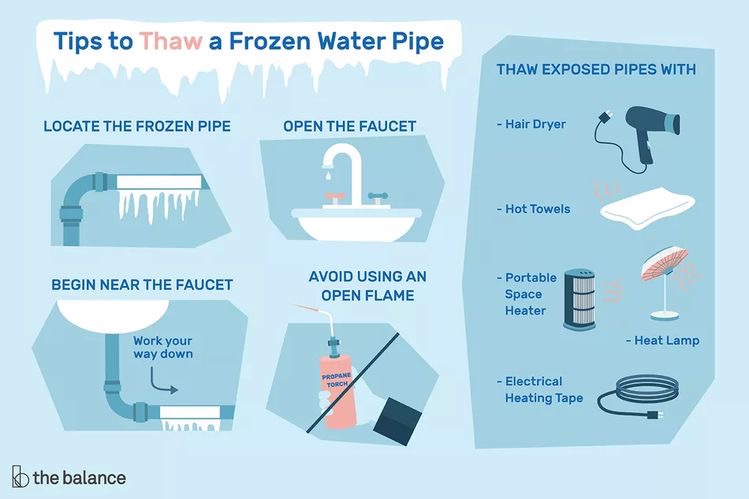
Ways to thaw frozen pipes Step 4. Check all faucets and prevent pipes from freezing in the future
Check each faucet in your home for any other frozen pipes. One frozen pipe may mean that others have been affected as well.
If the problem persists, contact a plumber. You can prevent pipes from freezing again by taking a few simple steps:
Before traveling, keep the temperature in your home above freezing and turn off all the water to your house.
Be sure to keep all water pipes, especially those close to outside walls, insulated with foam rubber or heating cable.
Keep cabinet doors open to allow air to circulate.
Let your faucets drip cold water – it is harder for a pipe to freeze even if there is a trickle of water flowing through. In order to not waste water, you can collect the drops and reuse it, possibly for cleaning or watering plants.
How long does it take for pipes to unfreeze?
Using any of the handful of methods on how to thaw frozen pipes will typically take about 30 minutes. This can vary depending on the weather, how long the pipe has been frozen and where the pipe is located. Any of these factors can cause the thawing process to take longer.2
And remember, a frozen pipe isn’t the only issue that comes with cold weather. Find out other ways to protect your home during the winter.
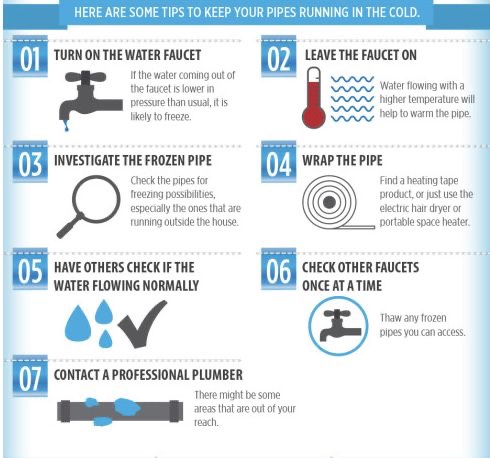
Ways to prevent frozen pipes Quick tip on drying if you have a pipe burst, find out the GPP (grains per pound) inside your home and then outside, you can do this by purchasing a thermometer hydrometer. If the gpp is lower outside than inside, then you can dry your home with what is known in the water damage restoration industry as “an open drying system. Click to check out our mold damage prevention tips there is more tips on how to dry a house out after water damage without water damage restoration equipment.
-
Commercial Water 💦 Damage Restoration Companies
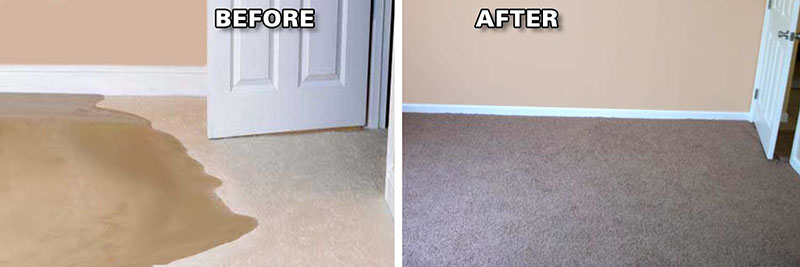
Disaster Restoration Experts are ready to offer all the water damage restoration in Richmond, VA that you need done. We realize that standing water could be a a big issue and when it found its way into your house, business or any other property could ruin your day. If you see water in your property or office space and need to remove it, Disaster Restoration Experts are standing by to provide immediate help in the Richmond, VA area. Our experts are equipped with the professional tools and knowledge to help with clean up of the water and remediation of all damage that has occurred.
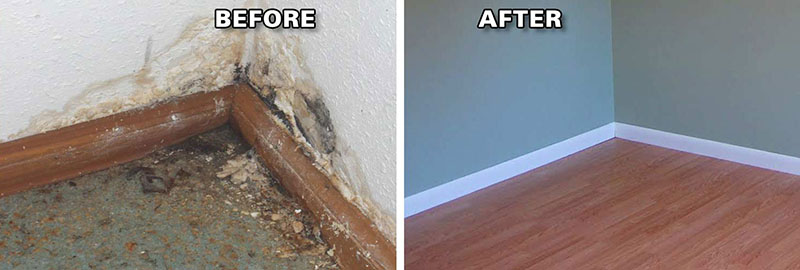
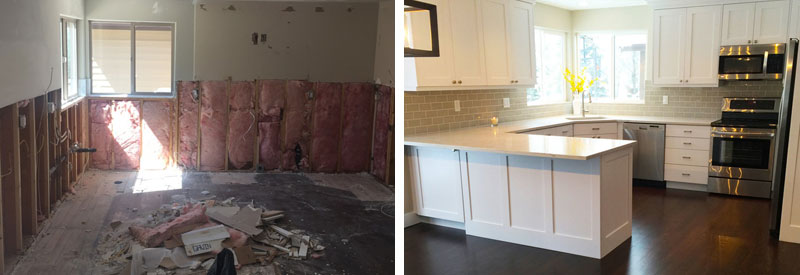
Our Services
Our expert water damage repair in Richmond, VA is able to help with all water damage and remediation that you may need, no matter if your water issue is at a house or on a commercial property. Both of these provide a unique situation in which water removal and restoration of the damaged area must be done right away. Our professionals are trained to deal with all types of properties so you can get the water issue repaired as promptly as possible. Our services in Richmond include the following:
- Assessment and Inspection. In either a private house or commercial building, our professionals will first come and do an inspection of the property. This helps us to see the locations where the water is or was present, the amount of damage that has occurred, as well as the type of work that needs to done. During the assessment period we can let you know how much time the water restoration will take as well as the cost.
- Water Removal. From there, we offer water removal services as the next step. Before beginning to remedy the damage from the water in your house, we must extract the water that is still present. The longer the water is present, the more damage it can cause around the property, including mold damage. We have many of the necessary tools to successfully remove all of the water in your property.
- Drying and Dehumidification. Once we are confident all the water is removed from your property, we are going to begin to dry out the area. Although the area no longer has standing water, we must to make sure all of the moisture is gone. This makes it easier to stop the growth of mold.
- Sanitization and Cleaning. Once the moisture is entirely gone, we will work on cleaning and sanitizing the area to make it as good as new. This includes abrasive cleaning as well as wet cleaning, in addition to mold clean-up and removal.
- Water Damage Restoration. Depending on how much water damage there is in your home or on your commercial property, we may have to restore some of the components. This could include the carpets, walls, and other important structural components. Our professionals can handle all the work, replacing and restoring everything to give you the very best results.
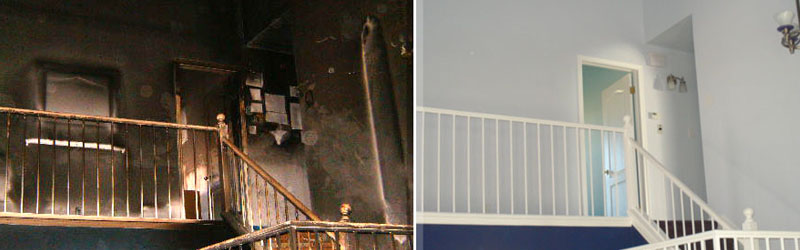
- Fire Damage Restoration. If you have recently had a fire in your apartment, house or commercial property, we can help with full restoration of your damage. Please call us so that we can come in, evaluate the damage, and advise on the best way to proceed with repairs.
What Kind of Water Damage Can We Help With?
Our professionals are happy to come in and help you with a lot of the different types of emergency water damage that you need to deal with. Our water damage restoration company is happy to help with many water leak problems including:
FLOOD WATER DAMAGE RESTORATION
If you notice flooding in your home, it is easy to get frustrated and worried. There is often a lot of water present, whether the flooding happens due to the rain or something in your home breaking. Figuring out the right way to remove all of the water and then fixing everything that may be damaged can seem like a big task to undertake.
As soon as you notice flooding in your home, it is important to contact a water damage repair company. At Disaster Restoration Experts, we are experts in flood water restoration in Richmond and are happy to step in and take over all of the cleaning and repair work that you need. We start out by removing the water and then making sure everything is dried up completely.
From there, we will focus on repairing anything that got damaged from the flooding. Whether you need new flooring, new wall material where the flooding happened, or any other damage repaired, we are happy to come in right away and help you get the area looking its very best.
It is important to call us as soon as you can. Standing water can quickly result in mold forming on your floors, walls and even inside the walls, which is not only toxic, but can be deadly. The sooner you call us for flood water damage restoration, the sooner we can get your damage repaired.
LEAKING AND BURSTING PIPES
Sometimes a leaking pipe can take some time to notice. This allows a little bit of water to accumulate over time and may require a good deal of repairs to help get your home back to normal. However, when a pipe bursts, you may notice a lot of water getting everywhere quickly. In both cases, it is a good idea to hire a professional to help you not only fix the pipes, but also to clean up any of the mess or damage that the water may cause.
WATER FROM MALFUNCTIONED SUMP PUMPS
If your sump pump is not doing its job well, then it could cause water to overflow and make a mess in your house. As soon as you notice there is something wrong with your sump pump, it is important to get a professional in to check it all out for you. We can hep repair the sump pump and even go through and clean up any of the damage that the water overflow may have caused in your home.
CRACKS IN YOUR FOUNDATION
If there are any cracks in the foundation of your home, then water can easily seep in from the ground and start causing damage. This is often a slow process. By the time you find out about it, there may be a lot of damage. It is important to fix up any cracks that show up in your foundation and look for any signs of water damage often to prevent any bigger issues.
WATER FROM THE ROOF
As your roof starts to show signs of aging, it is likely you may need to get it fixed. If you have not done some of the repair that is necessary on the roof, water can get in and cause a mess. Even when you keep up with the repair of the roof, sometimes a bad storm could damage the roof and will let water get in.
Because your roof goes right to the attic, sometimes it is difficult to notice any water damage is going on. If you suspect water damage, or you think that the roof may have been damaged after a storm, it is important to call in our professionals right away. We can take a look at the roof and help get it repaired quickly, giving you the peace of mind knowing your house will not have water damage.
WATER DAMAGE FROM TOILET, SINK, SHOWER, OR BATHTUB OVERFLOW
If your shower, sink, toilet, and bathtub begin to overflow, this is a sign of a problem. Not only can the overflowing water cause your floors to get wet and could damage them if you do not take care of the problem, you could also have trouble in your pipes. This is often a serious sign that the pipes are clogged up so the water is not able to get through.
When you hire our professionals, we can come in and take a look at your plumbing to fix the clog. We will then do some repairs on the floor and the rest of the area around these items to make it as good as new.
SEWAGE WATER
No homeowners desires to have sewage water make its way into their home. This water can cause a lot of damage, is usually contaminated so it can make you sick, and it smells bad. No one wants to clean it up on their own either. Because of the danger that comes with this kind of water and the mess it can make all throughout the house, it is important to hire the right water damage repair company as soon as possible.
When we come to your home, we will not only clean up the water and make it smell better, but we can also figure out where the cause of the water has come from. We can also fix and repair anything in your home that was damaged from the sewage water getting in.
If contaminated water is currently in your home, it is important to get it removed as quickly as you can. This kind of water will cause health concerns for your family just by being there. And if someone goes through the water or ends up consuming the water, there can be even worse health conditions. It is important to contact our water damage restoration company as soon as possible when you notice contaminated water. We are happy to come take care of the issue and repair any damage the water may cause as well.
Common Questions and Answers
When you need water damage restoration in Richmond, KY, it is likely you have a lot of questions you need answered. Disaster Restoration Experts are here to help you any time of day or night. Some of the common questions we hear from our customers include:
DO YOU PROVIDE EMERGENCY WATER DAMAGE RESTORATION IN RICHMOND, VA?
Yes, we do provide emergency water damage restoration for our Richmond customers. No matter where the water has caused damage or how much damage is present, it can be upsetting to the property owner. Receiving prompt and courteous water removal service in Richmond will ensure that the situation is remedied before it can cause a lot more damage to the structure of your home. Do not wait around and see whether the water will clear up on its own and do not worry about asking too many questions. We are happy to provide urgent water restoration in the Richmond, Virginia area as well as the nearby areas.
HOW LONG DOES EMERGENCY WATER DAMAGE RESTORATION TAKE TO COMPLETE?
We work hard to finish the water restoration process as quickly as possible. We know that you want to get back to living in your Richmond home or serving your customers in the Richmond area as quickly as possible. However, we never rush the water restoration process. We want to make sure that the area is cleaned up well and everything is restored properly so the damage will not occur again. For most properties, we can be done within a week or less, though some larger jobs may take longer.
DO YOU PROVIDE BOTH COMMERCIAL AND RESIDENTIAL WATER DAMAGE REPAIR IN RICHMOND?
Yes. At Disaster Restoration Experts, we are proud to serve our Richmond customers, both in their homes and in any business or commercial property they may own. We understand that the work done in your home will be different than the work that needs to be done on a commercial property when water damage has occurred. Our water damage professionals have the skills and expertise to handle all types of water damage restoration so you know you are getting the best care for your property possible.
HOW MUCH DO YOU CHARGE FOR RICHMOND WATER DAMAGE RESTORATION?
The fees that we charge for water damage restoration in Richmond, VA will depend on what types of services we need to provide. It may also depend on how much water gets into your property, how large of an area is affected, and how much damage has occurred. Sometimes, even the type of water we find in your home will make a difference.
For example, if you contact us and the water damage is minimal with no sitting water, it could only cost $125 to $300 to get water damage restoration done. However, there are instances where the water damage may be significant, especially in a large commercial property, and the restoration costs may be higher. To receive more accurate information on cost of residential water damage restoration in Richmond, VA, please give us a call. The costs for commercial properties are often higher. This is due to the fact that the water damage can take place over a larger area and all of the repair must meet stringent Richmond codes before the business can reopen. If you have water damage in your commercial property, we are happy to answer all your questions and help you get the proper restoration done. If you are looking for water damage restoration in Richmond, VA, make sure to give us a call. Our water damage pros know all the steps needed to inspect the water, remove it, and get your home or commercial property back to the high standards you expect. When you are ready to handle water damage restoration in Richmond, VA, contact Disaster Restoration Experts.
-
Mold Removal Services
This Lexington Mold Removal Estimate Does NOT Include:
- Any permits required for mold removal Lexington projects.
- Inspection and/or Lexington building fees.
- Materials and supply Fayette and Kentucky sales taxes.
- Materials and supply Lexington sales taxes.
- Any general contractor fees, if used for the project. Such fees generally add another $350$-450$ to the total.
For reference it may be helpful to compare the costs from surrounding towns as well:
Material costs for a mold removal project can vary extensively from one project to another. In most cases, the mold has already eaten away the woods, sheet rocks, and floor boards, or mold may be seen present only in small areas of the wall, ceiling or carpet. Material costs differ starting from less than a hundred on the low up to to tens-of-thousands of dollars for mold removal in a flooded basement. Homeowners who are more likely to attempt taking the project on themselves should probably need to rent or purchase a wet vacuum that can pull dampness from carpet and wood. Usually, equipment like that can be rented for around $300per day or can be purchased in between $1200and $3000. However, for very minimal mold removal in Georgetown projects, only water and detergent can do the trick.
Quick, Safe, and Reliable Mold Remediation
One of the greatest hidden dangers of water damage is mold growth. Mold can be toxic and too dangerous for you to deal with yourself. A professional water damage restoration company can deal with mold quickly and safely using the most up-to-date tools and techniques to deliver the highest quality results. They’ll also advise you on steps that you can take to prevent future mold growth. You’re able to safely move back into your home in no time.
What Does a Water Damage Restoration Company Do?
Water damage restoration companies handle the aftermath of water emergencies such as flooding and leaks, providing cleanup services, inspecting your home and property for damage, and ensuring that repairs are completed safely and accurately. Although every situation is unique, water restoration companies may take care of the following water-related issues:
- Flood cleanup, including, which can reduce damage by quickly removing up to several thousands of gallons of water from your property
- Mold detection, remediation and removal to minimize associated health and safety-related issues
- Sewage cleanup, including antimicrobial and other disinfectant treatments
- Removal of contaminated furniture and other belongings
- Carpet and wood floor drying or removal, depending on the severity of the damage
- Content and document drying, which can salvage important paperwork and cherished items such as photographs and letters
- Executing or overseeing repairs such as roofing, dry walling, and electrical wiring
What Are the Categories of Water Damage?
-
Lexington, KY
Lexington, Kentucky
Lexington, KentuckyLexington-Fayette
Urban County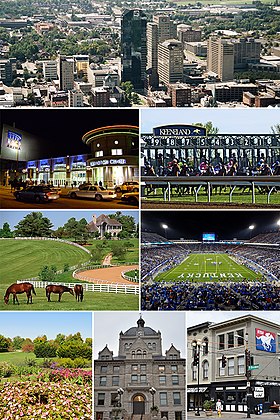 From top, left to right: Lexington skyline, Rupp Arena/Central Bank Center, Keeneland Race Course, Donamire Farm, Kroger Field, University of Kentucky Arboretum, Old Fayette County Courthouse, NTRA headquarters
 Seal
SealNickname(s): Athens of the West,[1] Horse Capital of the World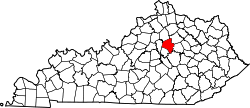 Location in the Commonwealth of Kentucky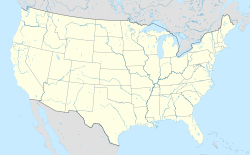
 Lexington, KentuckyLocation in the United States
Coordinates: 38°01′47″N 84°29′41″WCoordinates: 38°01′47″N 84°29′41″W Country United States State Kentucky Counties Fayette Established 1782[2] Incorporated 1831[2] Government • Type Mayor–council • Mayor Linda Gorton (R) • Urban County Council 15-member legislative council Area • Consolidated city-county 285.54 sq mi (739.54 km2) • Land 283.64 sq mi (734.62 km2) • Water 1.90 sq mi (4.92 km2) • Urban 87.5 sq mi (226.7 km2) Elevation 978 ft (298 m) Population (2020)• Consolidated city-county 322,570 • Rank US: 60th
Kentucky: 2nd• Density 1,100/sq mi (440/km2) • Urban 312,263 • Metro 517,056 (US: 109th) • CSA 745,033 (US: 70th) • Demonym Lexingtonian Time zone UTC−5 (EST) • Summer (DST) UTC−4 (EDT) ZIP codes 40502–40517, 40522–40524, 40526, 40533, 40536, 40544, 40546, 40550, 40555, 40574–40583, 40588, 40591, 40598Area code 859 Airport Blue Grass Airport
LEX (Regional)Interstates 

U.S. Routes 


State Routes 


Waterways Kentucky River Website www.lexingtonky.gov Lexington is the second-largest city in Kentucky and the county seat of Fayette County. By population, it is the 57th-largest city in the United States, and by land area, is the country’s 28th-largest city. Known as the “Horse Capital of the World”, it is the heart of the state’s Bluegrass region. Notable locations in the city include the Kentucky Horse Park, The Red Mile and Keeneland race courses, Rupp Arena, Transylvania University, the University of Kentucky, and Bluegrass Community and Technical College.
As of the 2020 census the population was 322,570, anchoring a metropolitan area of 516,811 people and a combined statistical area of 747,919 people. Lexington is consolidated entirely within Fayette County, and vice versa. It has a nonpartisan mayor-council form of government, with 12 council districts and three members elected at large, with the highest vote-getter designated vice mayor.
History[edit]
Lexington was named in June 1775, in what was then considered Fincastle County, Virginia, 17 years before Kentucky became a state. A party of frontiersmen, led by William McConnell, camped on the Middle Fork of Elkhorn Creek (now known as Town Branch and rerouted under Vine Street) at the site of the present-day McConnell Springs. Upon hearing of the colonists’ victory in the Battles of Lexington and Concord on April 19, 1775, they named the site Lexington. It was the first of many American places to be named after the Massachusetts town.[4]
On January 25, 1780, 45 original settlers signed the Lexington Compact, known also as the “Articles of Agreement, made by the inhabitants of the town of Lexington, in the County of Kentucky.”[5] The settlement at Lexington at this time was also known as Fort Lexington, as it was surrounded by fortifications to protect from the British and from Indians. The Articles allocated land by granting “In” lots of 1/2 acre to each share, along with “Out” lots of 5 acres for each share. Presumably the “In” lots were for the family dwelling inside the fortifications, while the “Out” lots were to be “cleared” for farming. (Corn is the only crop specifically mentioned in the Articles.) It is known that several of these original settlers (perhaps many of them) served under General George Rogers Clark in the Illinois campaign (also called the Northwestern campaign) against the British in 1778–79. [6][7] While the ostensible founder of Lexington, William McConnell, is not one of the signees, an Alexander McConnell is. Within two years of signing the Agreement, both John and Jacob Wymore were killed by Indians in separate incidents outside the walls of “Fort Lexington”.[8]
In December, 1781, a huge caravan of around 600 pioneers from Spotsylvania County, Virginia–dubbed “The Travelling Church”–arrived in the Lexington area. Led by the preacher Lewis Craig and Captain William Ellis, the Travelling Church established numerous churches, including the South Elkhorn Christian Church in Lexington. [9]On May 6, 1782, the town of Lexington was chartered by an act of the Virginia General Assembly.[2] Around 1790, the First African Baptist Church was founded in Lexington by Peter Durrett,[10] a Baptist preacher and slave held by Joseph Craig. Durrett had helped guide “The Travelling Church” on its trek to Kentucky. This church is the oldest black Baptist congregation in Kentucky and the third-oldest in the United States.[10][11]
In the early 1800s, Lexington was a rising city of the vast territory to the west of the Appalachian Mountains; Josiah Espy described it in a published version of his notes as he toured Ohio and Kentucky:[12]
In the early 19th century, Lexington planter John Wesley Hunt became the first millionaire west of the Alleghenies. Henry Clay, a lawyer who married into one of the wealthiest families of Kentucky and served as Speaker of the United States House of Representatives in 1812, helped to lead the War Hawks, pushing for war with Great Britain to bolster the markets of American products.[14] Six companies of volunteers came from Lexington, with a rope-walk on James Erwin’s farm on the Richmond Road used as a recruiting office and barracks until the war ended.[15] Several Lexingtonians served with prominence as officers in the war. For example, Captain Nathaniel G.S. Hart commanded the Lexington Light Infantry (also known as the “Silk Stocking Boys”) and was killed while a captive after the Battle of the River Raisin.[16] Henry Clay also served as a negotiator at the Treaty of Ghent in 1814.
The growing town was devastated by a cholera epidemic in 1833, which had spread throughout the waterways of the Mississippi and Ohio valleys: 500 of 7,000 Lexington residents died within two months, including nearly one-third of the congregation of Christ Church Episcopal.[17] London Ferrill, second preacher of First African Baptist, was one of three clergy who stayed in the city to serve the suffering victims.[11]
Farmers in the areas around Lexington held slaves for use as field hands, laborers, artisans, and domestic servants. In the city, slaves worked primarily as domestic servants and artisans, although they also worked with merchants, shippers, and in a wide variety of trades. Farms raised commodity crops of tobacco and hemp, and thoroughbred horse breeding and racing became established in this part of the state. By 1850, Lexington had the highest concentration of enslaved people in the entire state. The city also had a significant population of free blacks, who were often of mixed race. By 1850, First African Baptist Church, led by London Ferrill, a free black from Virginia, had a congregation of 1,820 persons. At that time, First African Baptist Church had the largest congregation of any church, black or white, in the state of Kentucky.[11]
20th century to present[edit]
Amidst the tensions between black and white populations over the lack of affordable housing in the city, a race riot broke out on September 1, 1917. At the time, the Colored A. & M. Fair (one of the largest African American fairs in the South) on Georgetown Pike had attracted more African Americans from the surrounding area into the city. Also during this time, some United States National Guard troops were camping on the edge of the city. Three troops passed in front of an African American restaurant and shoved some people on the sidewalk. A fight broke out, reinforcements for the troops and civilians both appeared, and soon a riot began. The Kentucky National Guard was summoned, and once the riot had ended, armed soldiers and police patrolled the streets. All other National Guard troops were barred from the city streets until the fair ended.[18]
On February 9, 1920, tensions flared up again, this time over the trial of Will Lockett, a black serial killer who murdered Geneva Hardman, a 10-year-old white girl. When a large mob gathered outside the courthouse where Lockett’s trial was underway, Kentucky Governor Edwin P. Morrow massed the National Guard troops into the streets to work alongside local law enforcement. As the mob advanced on the courthouse, the National Guard opened fire, killing six and wounding 50 others. Fearing further retaliation from the mob, Morrow urged the United States Army to provide assistance. Led by Brigadier General Francis C. Marshall, approximately 1,200 federal troops from nearby Camp Zachary Taylor moved into the city the same day to assist National Guard forces and local police in bringing order and peace. Marshall declared martial law in the city and had soldiers positioned throughout the area for two weeks. Lockett was eventually executed on March 11 at the Kentucky State Penitentiary in Eddyville, after being found guilty of murdering Hardman.[19]
In 1935, during the Great Depression, the Addiction Research Center (ARC) was created as a small research unit at the United States Public Health Service hospital in Lexington.[20] Founded as one of the first drug rehabilitation clinics in the nation, the ARC was affiliated with a federal prison. Expanded as the first alcohol and drug rehabilitation hospital in the United States, it was known as “Narco” of Lexington. The hospital was later converted to operate as part of the federal prison system; it is known as the Federal Medical Center, Lexington and serves a variety of health needs for prisoners. Lexington also served as the headquarters for a pack horse library in the late 1930s and early 1940s.[21]
Geography[edit]
The Lexington-Fayette metro area includes five additional counties: Clark, Jessamine, Bourbon, Woodford, and Scott. This is the second-largest metro area in Kentucky after Louisville. According to the United States Census Bureau, the city has a total area of 285.5 square miles (739 km2). 284.5 square miles (737 km2) of it is land and 1.0 square mile (2.6 km2) of it (0.35%) is covered by water.[22]
Cityscape[edit]
Lexington features a diverse cityscape.
Planning[edit]
Lexington has had to manage a rapidly growing population while working to maintain the character of the surrounding horse farms that give the region its identity. In 1958, Lexington enacted the nation’s first urban growth boundary, restricting new development to an urban service area (USA). It set a strict minimum area requirement, currently 40 acres (160,000 m2), to maintain open space for landholdings in the rural service area.[23]
In 1980, the comprehensive plan was updated: the USA was modified to include urban activity centers (UACs) and rural activity centers (RACs).[24] The UACs were commercial and light-industrial districts in urbanized areas, while RACs were retail trade and light-industrial centers clustered around the Interstate 64/Interstate 75 interchanges. In 1996, the USA was expanded when 5,300 acres (21 km2) of the RSA were acquired through the expansion area master plan (EAMP).[23] This was controversial: this first major update to the comprehensive plan in over a decade was accompanied by arguments among residents about the future of Lexington and the Thoroughbred farms.[24]
The EAMP included new concepts of impact fees, assessment districts, neighborhood design concepts, design overlays, mandatory greenways, major roadway improvements, storm water management, and open-space mitigation for the first time. It also included a draft of the rural land management plan, which included large-lot zoning and traffic-impact controls. A pre-zoning of the entire expansion area was refuted in the plan. A 50-acre (200,000 m2) minimum proposal was defeated. Discussion of this proposal appeared to stimulate the development of numerous 10-acre (40,000 m2) subdivisions in the RSAs.[24]
Three years after the expansion was initiated, the RSA land management plan was adopted, which increased the minimum lot size in the agricultural rural zones to 40-acre (160,000 m2).[23] In 2000, a purchase of development rights plan was adopted, granting the city the power to purchase the development rights of existing farms; in 2001, $40 million was allocated to the plan from a $25-million local, $15-million state grant.[24]
Climate[edit]
Lexington is in the northern periphery of the humid subtropical climate zone (Cfa),[25] with hot, humid summers and moderately cold winters with occasional mild periods; it falls in USDA hardiness zone 6b.[26] The city and the surrounding Bluegrass region have four distinct seasons that include cool plateau breezes, moderate nights in the summer, and no prolonged periods of heat, cold, rain, wind, or snow. The monthly daily average temperature ranges from 33.9 °F (1.1 °C) in January to 76.7 °F (24.8 °C) in July, while the annual mean temperature is 56.3 °F (13.5 °C).[27] On average, 25 days of 90 °F (32 °C)+ highs occur annually and 23 days per winter where the high is equal to or less than freezing.[28] Annual precipitation is 49.84 inches (1,270 mm), with the late spring and summer being slightly wetter; snowfall averages 14.5 inches (37 cm) per season.[28] Extreme temperatures range from −21 °F (−29 °C) on January 24, 1963, to 108 °F (42 °C) on July 10 and 15, 1936.[27]
Lexington is recognized as a high allergy area by the Asthma and Allergy Foundation of America.[29]
hideClimate data for Lexington, Kentucky (Blue Grass Airport), 1991–2020 normals,[a] extremes 1872–present[b] Month Jan Feb Mar Apr May Jun Jul Aug Sep Oct Nov Dec Year Record high °F (°C) 80
(27)80
(27)86
(30)91
(33)96
(36)104
(40)108
(42)105
(41)103
(39)97
(36)83
(28)75
(24)108
(42)Mean maximum °F (°C) 64.2
(17.9)68.4
(20.2)75.0
(23.9)81.6
(27.6)87.2
(30.7)92.0
(33.3)93.9
(34.4)93.4
(34.1)90.9
(32.7)83.6
(28.7)73.5
(23.1)65.6
(18.7)95.9
(35.5)Average high °F (°C) 42.3
(5.7)46.8
(8.2)56.1
(13.4)67.2
(19.6)75.8
(24.3)83.8
(28.8)86.9
(30.5)86.2
(30.1)80.2
(26.8)68.6
(20.3)55.8
(13.2)45.9
(7.7)66.3
(19.1)Daily mean °F (°C) 33.9
(1.1)37.5
(3.1)45.9
(7.7)56.2
(13.4)65.4
(18.6)73.3
(22.9)76.7
(24.8)75.7
(24.3)69.1
(20.6)57.8
(14.3)46.1
(7.8)37.8
(3.2)56.3
(13.5)Average low °F (°C) 25.4
(−3.7)28.3
(−2.1)35.8
(2.1)45.2
(7.3)55.0
(12.8)62.8
(17.1)66.5
(19.2)65.2
(18.4)58.1
(14.5)47.0
(8.3)36.4
(2.4)29.6
(−1.3)46.3
(7.9)Mean minimum °F (°C) 3.5
(−15.8)7.8
(−13.4)16.9
(−8.4)28.1
(−2.2)38.9
(3.8)49.8
(9.9)56.9
(13.8)54.9
(12.7)43.5
(6.4)30.8
(−0.7)20.2
(−6.6)11.5
(−11.4)0.3
(−17.6)Record low °F (°C) −21
(−29)−20
(−29)−2
(−19)15
(−9)26
(−3)39
(4)47
(8)42
(6)32
(0)20
(−7)−3
(−19)−19
(−28)−21
(−29)Average precipitation inches (mm) 3.42
(87)3.64
(92)4.48
(114)4.42
(112)5.44
(138)4.96
(126)5.12
(130)3.71
(94)3.42
(87)3.66
(93)3.37
(86)4.20
(107)49.84
(1,266)Average snowfall inches (cm) 4.7
(12)4.5
(11)2.8
(7.1)0.2
(0.51)0.0
(0.0)0.0
(0.0)0.0
(0.0)0.0
(0.0)0.0
(0.0)0.0
(0.0)0.4
(1.0)1.9
(4.8)14.5
(37)Average precipitation days (≥ 0.01 in) 12.6 11.6 12.8 12.8 12.6 11.7 10.7 9.6 7.7 9.2 10.3 12.6 134.2 Average snowy days (≥ 0.1 in) 4.5 3.8 1.7 0.2 0.0 0.0 0.0 0.0 0.0 0.0 0.7 2.5 13.4 Source: NOAA[27][28] Demographics[edit]
Historical population Census Pop. %± 1790 834 — 1800 1,795 115.2% 1810 4,326 141.0% 1820 5,270 21.8% 1830 6,026 14.3% 1840 6,997 16.1% 1850 8,159 16.6% 1860 9,321 14.2% 1870 14,801 58.8% 1880 16,656 12.5% 1890 21,567 29.5% 1900 26,369 22.3% 1910 35,099 33.1% 1920 41,534 18.3% 1930 45,736 10.1% 1940 49,304 7.8% 1950 55,534 12.6% 1960 62,810 13.1% 1970 108,137 72.2% 1980 204,165 88.8% 1990 225,366 10.4% 2000 260,512 15.6% 2010 295,803 13.5% 2020 322,570 9.0% U.S. Decennial Census[30] The Lexington-Fayette Metropolitan Statistical Area (MSA) includes Bourbon, Clark, Fayette, Jessamine, Scott, and Woodford Counties. The MSA population is 516,811 as of the 2020 census.[31]
The Lexington-Fayette-Frankfort-Richmond, KY Combined Statistical Area had a population of 747,919 in 2020.[32] This includes the metro area and an additional seven counties.[33]
As of the 2020 census, there were 322,570 people, 129,784 households, and 74,761 families within the city. The population density was 1,137.3 people per square mile (439.1/km2). The racial makeup of the city was 70.7% non-Hispanic White, 15.6% Black or African American, 0.3% Native American, 4.1% Asian, 0.1% Pacific Islander, and 2.7% from two or more races. Hispanic or Latino people of any race were 7.4% of the population.
Of the 131,929 households reported in the 2019 American Community Survey, 52% were married couples living together, 15% had a female householder with no husband present, and 27% were non-families. 28.4% of households were home to children under the age of 18. The average household size was 2.37, and the average family size was 2.99. 31.6% of all households were made up of individuals, and 9.4% had someone living alone who was 65 years of age or older.
In 2019 the population was distributed with 20.9% of residents under the age of 18, 14.2% from 18 to 24, 28.6% from 25 to 44, 23.4% from 45 to 64, and 13.0% who were 65 years of age or older. The median age was 34.6 years. For every 100 females, there were 96.2 males.
The median income for a household in the city was $57,291 in 2019, slightly below the national average of $62,843. and for a family was $53,264. Males living alone had a median income of $36,268 versus $30,811 for females. The per capita income for the city was $34,442. About 8.7% of families and 14.6% of the population were below the poverty line, including 17.6% of those under the age of 18 and 9.4% of those ages 65 and older.
The table below illustrates the population growth of Fayette County since the first U.S. Census in 1790. Lexington city limits became coterminous with Fayette County in 1974.
Sources:
- 1790 to 1960 census:[34]
- 1970 census:[35]
- 1980 census:[36]
- 1990 census:[37]
- 2000 to 2005 census:[38]
- 2006 census:[39]

Economy[edit]
Lexington has one of the nation’s most stable economies. Lexington describes itself as having “a fortified economy, strong in manufacturing, technology, and entrepreneurial support, benefiting from a diverse, balanced business base”.[40] The Lexington Metro Area had an unemployment rate of 3.7% in August 2015, lower than many cities of similar size.[41]
The city is home to several large corporations. Sizable employment is generated by four Fortune 500 companies: Xerox (which acquired Affiliated Computer Services), Lexmark International, Lockheed-Martin, and IBM, employing 3,000, 2,800, 1,705, and 552, respectively.[42] United Parcel Service, Trane, and Amazon.com, Inc. have large operations in the city, and Toyota Motor Manufacturing Kentucky is within the Lexington CSA, located in adjoining Georgetown. A Jif peanut butter plant located here produces more peanut butter than any other factory in the world.[43]
Notable corporate headquarters include Lexmark International, a manufacturer of printers and enterprise software;[44] Link-Belt Construction Equipment, a designer and manufacturer of telescopic and lattice boom cranes;[45] Big Ass Fans, a manufacturer of large ceiling fans and lighting fixtures for industrial, commercial, agricultural, and residential use;[46] A&W Restaurants, a restaurant chain known for root beer;[47] and Fazoli’s, an Italian-American fast-food chain.[48]
The city’s largest employer, the University of Kentucky, employed 16,743 as of 2020.[49]
Other sizable employers include the Lexington-Fayette County government and other hospital facilities. The Fayette County Public Schools employ 5,374, and the Lexington-Fayette Urban County Government employs 2,699. Central Baptist Hospital, Saint Joseph Hospital, Saint Joseph East, and the Veterans Administration Hospital employ 7,000 persons in total.[42]
Culture[edit]
Annual cultural events and fairs[edit]
June has two popular music festivals: Bluegrass and Broadway. The Festival of the Bluegrass, Kentucky’s oldest bluegrass music festival, is in early June; it includes three stages for music and a “bluegrass music camp” for school children. For more than two decades, during the second and third weekends, UK Opera Theatre presents a Broadway medley “It’s A Grand Night for Singing!”[50]
Later in June, the Gay and Lesbian Services Organization hosts the Lexington Pride Festival, which celebrates pride in the lesbian, gay, bisexual, and transgender communities and welcomes allies. The festival offers live music, crafts, food, and informational booths from diverse service organizations. Lexington Mayor Jim Gray, elected in 2010 and openly gay, proclaimed June 29, 2013, as Pride Day.[51] Lexington has one of the highest concentrations of gay and lesbian couples in the United States for a city its size.[51]
Area residents gather downtown for the Fourth of July festivities, which extend for several days. On July 3, the Gratz Park Historic District is transformed into an outdoor music hall, when the Patriotic Music Concert is held on the steps of Morrison Hall at Transylvania University. The Lexington Singers and the Lexington Philharmonic Orchestra perform at this event. On the Fourth, events include a reading of the Declaration of Independence on the steps of the Old Courthouse, a waiters’ race in Phoenix Park, a parade, a country-music concert, street vendors for wares and food, and fireworks. The Woodland Arts Fair is almost four decades old.[52]
“Southern Lights: Spectacular Sights on Holiday Nights,” which takes place from November 18 to December 31, is held at the Kentucky Horse Park. It includes a three-mile (4.8 km) drive through the park, showcasing numerous displays, many in character with the horse industry and history of Lexington. The “Mini-Train Express”, an indoor petting zoo featuring exotic animals, the International Museum of the Horse, an exhibit showcasing the Bluegrass Railway Club’s model train, and Santa Claus are other major highlights.[53]
Other events and fares include:
- The North Limestone (NoLi) Night Market[54]
- The Lexington Philharmonic Orchestra presents several annual concerts.[55]
- The Lexington Ballet Company performs their annual Nutcracker Ballet.
- LexArts Gallery HOP is a seasonal event when the city’s art galleries are open to the public on the third Friday of January, March, May, July, September, and November.[56]
Historical structures and museums[edit]
Additional historic sites include:
The University of Kentucky Art Museum is the premier art museum for Lexington and the only accredited museum in the region. Its collection of over 4000 objects ranges from Old Masters to Contemporary. It regularly hosts special exhibitions.[58]
The local Woolworth’s building was listed on the National Register of Historic Places for its significance as a site of protests during the Civil Rights Movement against segregation during the 1960s. Activists conducted sit-ins to gain integrated lunch service, full access to facilities, and more employment. However, in 2004, the building was demolished by its owner, and the area was paved for use as a parking lot until further development.[59]
Sports[edit]
College athletics[edit]
The Kentucky Wildcats, the athletic program of the University of Kentucky, is Lexington’s most popular sports entity. The school fields 22 varsity sports teams, most of which compete in the Southeastern Conference as a founding member.[60] The men’s basketball team is one of the winningest programs in NCAA history, having won eight national championships. The basketball program was also the first to reach 2000 wins.[61]
Professional sports[edit]
Lexington is home to the Lexington Legends, a member of the Atlantic League of Professional Baseball, an independent MLB Partner league.[62] In 2020, the Legends were one of the minor league teams that lost MLB affiliation under a new plan by the MLB.[63]
Horse racing and equestrian events[edit]
The city is home to two horse-racing tracks, Keeneland and The Red Mile harness track. Keeneland, sporting live races in April and October, is steeped in tradition; little has changed since the track’s opening in 1936. Keeneland hosted the 2015 Breeders’ Cup, with the event’s signature race, the Breeders’ Cup Classic, won by Triple Crown winner American Pharoah. This track also has the world’s largest Thoroughbred auction house; 19 Kentucky Derby winners, 21 Preakness Stakes winners, and 18 Belmont Stakes winners were purchased at Keeneland sales. Its most notable race is the Blue Grass Stakes, which is considered an important preparation for the Kentucky Derby. The Red Mile is the oldest horse racing track in the city and the second-oldest in the nation. It runs live harness races, in which horses pull two-wheeled carts called sulkies. The two tracks announced a partnership in 2014.[64]
The Kentucky Horse Park, located along scenic Iron Works Pike in northern Fayette County, is a comparative latecomer to Lexington, opening in 1978. Although commonly known as a tourist attraction and museum, it is also a working horse farm with a farrier and famous retired horses such as 2003 Kentucky Derby winner Funny Cide. Since its opening in April 1978, the Kentucky Horse Park has hosted the Rolex Kentucky Three Day Event, which is one of the top-three annual equestrian eventing competitions in the world and is held immediately before the Kentucky Derby at Churchill Downs in Louisville. In September and October 2010, Lexington hosted the World Equestrian Games.[65]
Parks and outdoor attractions[edit]
City parks and facilities[edit]
Lexington has over 100 parks, ranging in size from the 8,719-square-foot (810.0 m2) Smith Street Park to the 659-acre (2.7 km2) Masterson Station Park.[66][67] Among those parks are:
- Five public golf courses at Kearney Hill Links, Lakeside, Meadowbrook, Tates Creek, and Picadome
- Five dog parks at Jacobson, Masterson Station, Coldstream, Pleasant Ridge, and Wellington
- Three public 18-hole disc golf courses at Shillito Park, Jacobson Park, and Veterans Park
- A public skate park at Woodland Park, featuring 12,000 square feet (1,100 m2) of “ramps, platforms, bowls, and pipes”[66]
Natural areas[edit]
The city is home to Raven Run Nature Sanctuary, a 734-acre (3.0 km2) nature preserve along the Kentucky River Palisades.[66][68]
The Arboretum is a 100-acre (0.40 km2) preserve adjacent to the University of Kentucky.[66]
The city also plays host to the historic McConnell Springs, a 26-acre (110,000 m2) park within the industrial confines off Old Frankfort Pike.[66][68]
Government and politics[edit]
 This article or section appears to be slanted towards recent events. (June 2020)
Urban County Council[edit]
The Urban County Council is a 15-member legislative group. Twelve of the members represent specific districts and serve two-year terms; three are elected citywide as at-large council members and serve four-year terms. The at-large member receiving the highest number of votes in the general election automatically becomes the vice mayor, who acts as the presiding officer of the council when the mayor is absent. The council members as of 2021 are [69]
Councilmember District Term ends Steve Kay[70] Vice Mayor 2022 Richard Moloney[71] At-large 2022 Chuck Ellinger II[72] At-large 2022 James Brown[73] 1st 2022 Josh McCurn[74] 2nd 2022 Hannah LeGris[75] 3rd 2022 Susan Lamb[76] 4th 2022 Liz Sheehan[77] 5th 2022 David Kloiber[78] 6th 2022 Preston Worley[79] 7th 2022 Fred Brown[80] 8th 2022 Whitney Baxter[81] 9th 2022 Amanda Mays Bledsoe[82] 10th 2022 Jennifer Reynolds[83] 11th 2022 Kathy Plomin[84] 12th 2022 Third District Council Member Jake Gibbs died unexpectedly on March 3, 2020. Mayor Linda Gorton appointed Mark Swanson[85] to complete Gibbs’ term.[86][87]
Law enforcement[edit]
Primary law enforcement duties within Lexington-Fayette County are the responsibility of the Lexington-Fayette Urban County Government Division of Police. As of July 1, 2021, the Division of Police (also called Lexington Police Department) is authorized for 639 sworn police officers and 16 traffic safety officers. The Division of Police resulted from the merger of the Lexington Police Department with the Fayette County Patrol in 1974. The Fayette County Sheriff’s Office is responsible for court service, including court security, prisoner transport, process and warrant service, and property tax collection. The 1974 merger also consolidated the office of city jailer into the office of county jailer, a constitutional position. In 1992 (effective 1993), the Kentucky General Assembly enabled a correctional services division to be established by ordinance, making employees civil-service employees rather than political appointees.[88]
Fire protection[edit]
All fire/rescue protection within Lexington-Fayette County (with the exception of the Blue Grass Airport) is provided by the Lexington Fire Department. The current department was formed with the merger of the county and city fire departments in 1973. Lexington Fire Department is the largest single fire department in Kentucky with over 600 personnel and 24 individual fire stations broken into five districts (battalions).[89]
Education[edit]
According to the United States Census, of Lexington’s population over the age of 25, 22.4% hold a bachelor’s degree, 11.4% hold a master’s degree, 3.1% hold a professional degree, and 2.6% hold a doctoral degree.
The city is served by the Fayette County Public Schools. The system currently consists of six district high schools, along with multiple smaller multidistrict high schools, 12 middle schools, one combined middle/high school, and 37 elementary schools, and is supplemented with many private schools. FCPS opened two new elementary schools in August 2016, and opened a new high school in August 2017.[90][91][92]
The two traditional colleges are the University of Kentucky, which is the state’s flagship public university, and Transylvania University, which is the state’s oldest four-year university and the first university west of the Alleghenies.[93]
Media[edit]
Lexington’s largest daily circulating newspaper is the Lexington Herald-Leader. Business Lexington[94] is a monthly business newspaper. The Chevy Chaser Magazine[95] and Southsider Magazine[96] are two community publications.
The region is also served by eight primary television stations, including WLEX, WKYT, WDKY, WTVQ, WLJC, WUPX, WKLE, WKON, and online news agency KyForward.com.[97] The state’s public television network, Kentucky Educational Television, is headquartered in Lexington and is one of the nation’s largest public networks, reaching all 1.6 million television households in the state.[98]
Transportation[edit]
Highways[edit]
Interstate 75 runs north–south on the edge of Lexington. Interstate 64 runs east–west on the northern edge of the city. Lexington itself is at the confluence of US Route 25, US Route 27, US Route 60, US Route 68 and US Route 421.
Lexington suffers considerable traffic congestion for a city of its size due to the lack of freeways, the proximity of the University of Kentucky to downtown, and the substantial number of commuters from outlying towns.[citation needed] For traffic relief on northern New Circle Road, Citation Boulevard is planned.[99]
Railroads[edit]
The Southern Railway, well into the 1960s, ran passenger trains through its Lexington station on a Cincinnati–Florida route: the Ponce de Leon and the Royal Palm, as well as the railroad’s Carolina Special to various points in North and South Carolina.[100] The last remnant of the Royal Palm left Lexington in 1970. Union Station, open from 1907 and demolished in March 1960, hosted the Chesapeake & Ohio Railway and the Louisville and Nashville.[101] The C&O’s Louisville–Ashland connector train to the company’s George Washington[102] ran until 1970.
Airport[edit]
The Blue Grass Airport is on the west side of Lexington on US Route 60. It has passenger flights by four carriers: Allegiant, American, Delta and United.[103]
Modal characteristics[edit]
In 2019, 79.3% of working Lexingtonians commuted by driving alone, 9.3% carpooled, 2.0% used public transportation, and 3.0% walked. 1.9% of commuters used all other forms of transportation, including taxi, bicycle, and motorcycle. About 4.4% worked from home.[104]
In 2015, 7.2 percent of city of Lexington households were without a car, which increased slightly to 7.4 percent in 2016. The national average was 8.7 percent in 2016. Lexington averaged 1.7 cars per household in 2016, compared to a national average of 1.8 per household.[105]
Notable people[edit]
Sister cities[edit]
Lexington has four sister cities, as designated by Sister Cities International:
 Deauville, Calvados, Normandy, France (since 1957)[106]
 County Kildare, Leinster, Ireland (since 1984)[106]
 Newmarket, Suffolk, United Kingdom (since 2003)[106][107]
 Shinhidaka, Hokkaido, Japan (since 2006)
See also[edit]
Notes[edit]
- ^ Mean monthly maxima and minima (i.e. the expected highest and lowest temperature readings at any point during the year or given month) calculated based on data at said location from 1991 to 2020.
- ^ Official records for Lexington were kept at the State College on South Limestone Street from October 1872 to July 1876 before closing, the Tower State College Building on the University of Kentucky campus from September 1888 to July 1915 after reopening downtown in 1887, various locations near downtown from July 1915 to July 1944, and Blue Grass Airport since July 1944. For more information, see [1].
References[edit]
- ^ “Athens of the West”. National Register of Historic Places (Essay). National Park Service, U.S. Department of the Interior. May 2, 2019. Retrieved June 18, 2020.
- ^ a b c Commonwealth of Kentucky. Office of the Secretary of State. Land Office. “Lexington, Kentucky”. Accessed September 18, 2013.
- ^ “2019 U.S. Gazetteer Files”. United States Census Bureau. Retrieved July 24, 2020.
- ^ Ramsay, Robert L. (1952). Our Storehouse of Missouri Place Names. University of Missouri Press. p. 16. ISBN 9780826205865.
- ^ Of these 45 original co-founders, the most common surnames were Wymore (4) and Thompson (3), while Johnson, Niblack, Collins, McDonald, Lindsay, Shannon, Stevenson, and Martin have two signees per name. The Lexington “Articles of Agreement” can be found in the Pogue Library of Murray State University, Murray, KY.
- ^ Paul L. Trovillion, Jr., A History and Genealogy of the Wymores of Southern Illinois,’ pp. 1-4, ‘Silver Horse: Paducah, KY, 1998.
- ^ Copies of the full Lexington “Articles of Agreement” may be found in the Pogue Library, Murray State University, and in Fayette County, Kentucky Records, Vol. 1: pp. 356-357, by Michael L. Cook, C.G. & Betty Cummings Cook, C.G. Cook Publications, 3318 Wimberg, Evansville, IN 47712.
- ^ Paul L. Trovillion, Jr., A History and Genealogy of the Wymores,” p. 6.
- ^ George Washington Ranck (1910). The Travelling Church: An Account of the Baptist Exodus from Virginia to Kentucky in 1781 under the Leadership of Rev. Lewis Craig and Capt. William Ellis. Louisville, KY. p. 22. Retrieved August 21, 2010.
- ^ a b “First African Baptist Church”, Lexington: The Athens of the West, National Park Service. Retrieved August 21, 2010.
- ^ a b c H. E. Nutter, “A Brief History of the First Baptist Church (Black) Lexington, Kentucky”, in Souvenir, Sesqui-Centennial Celebration, 1790–1940, Lexington, KY: 1940, accessed August 22, 2010
- ^ Espy, Josiah. “Memorandums of a Tour in Ohio and Kentucky in 1805”. Espy – Morehead, Phil and Pat. Retrieved February 9, 2021.
- ^ “Athens of the West;” Lexington, Kentucky: The Athens of the West – A National Register of Historic Places Travel Itinerary; National Park Service; 2009
- ^ Hammack, Jr., James W. (1976). Kentucky and the Second American Revolution: The War of 1812. Lexington: University Press of Kentucky.
- ^ Coleman, J. Winston (1981). Lexington, the Athens of the West. Lexington, Ky.: Winburn Press. p. 28.
- ^ Lindsey, Helen B. (July 1944). “The Lexington Light Infantry Company War of 1812”. Register of the Kentucky State Historical Society. 42 (140): 263–266.
- ^ “Christ Church Episcopal”, Lexington, National Park Service. Retrieved August 21, 2010.
- ^ “Race Riot of 1917 (Lexington, KY) · Notable Kentucky African Americans Database”. nkaa.uky.edu. Retrieved February 5, 2020.
- ^ Peter Brackney (January 20, 2020). The Murder of Geneva Hardman and Lexington’s Mob Riot of 1920 (True Crime). The History Press. pp. 89–100, 103–120. ISBN 978-1-4671-4396-7.
- ^ “History of the Addiction Research Center”. Drugabuse.gov. May 15, 1935. Archived from the original on August 25, 2009. Retrieved November 18, 2011.
- ^ “Need in Kentucky”. The Indianapolis Star. November 21, 1937. Retrieved September 3, 2017 – via Newspapers.com.
- ^ “Fayette County”. QuickFacts from the US Census Bureau. Archived from the original on June 6, 2011. Retrieved December 29, 2010.
- ^ a b c “\”Greenbrier Small Area Plan\” (PDF)” (PDF) (Press release). Lexington-Fayette Urban County, Kentucky. April 17, 2003. Retrieved May 20, 2007.
- ^ a b c d “Planning History” (Press release). Lexington-Fayette Urban County, Kentucky. Archived from the original on May 23, 2007. Retrieved May 20, 2007.
- ^ How Stuff Works Archived October 19, 2014, at the Wayback Machine map of American climate zones. Retrieved on January 31, 2010
- ^ United States Department of Agriculture. “USDA Plant Hardiness Zone Map”. United States National Arboretum. Archived from the original on March 3, 2015. Retrieved February 27, 2015.
- ^ a b c “NowData – NOAA Online Weather Data”. National Oceanic and Atmospheric Administration. Retrieved May 31, 2021.
- ^ a b c “Station Name: KY LEXINGTON BLUEGRASS AP”. U.S. Climate Normals 2020: U.S. Monthly Climate Normals (1991-2020). National Oceanic and Atmospheric Administration. Retrieved June 4, 2021.
- ^ “Information About Asthma, Allergies, Food Allergies and More!”. Asthma and Allergy Foundation of America. Retrieved December 29, 2010.
- ^ “Census of Population and Housing”. Census.gov. Retrieved June 4, 2015.
- ^ “Table 1. Annual Estimates of the Population of Metropolitan and Micropolitan Statistical Areas: April 1, 2010 to July 1, 2015”. Population Estimates. United States Census Bureau, Population Division. July 2015. Archived from the original (CSV) on February 14, 2020. Retrieved August 31, 2016.
- ^ “Table 2. Annual Estimates of the Population of Combined Statistical Areas: April 1, 2010 to July 1, 2015”. 2015 Population Estimates. United States Census Bureau, Population Division. March 2015. Archived from the original (CSV) on February 14, 2020. Retrieved August 31, 2016.
- ^ “Annual Estimates of the Population of Combined Statistical Areas: April 1, 2000 to July 1, 2006 (CBSA-EST2006-02)”. 2006 Population Estimates. United States Census Bureau, Population Division. April 5, 2007. Archived from the original (CSV) on September 14, 2007. Retrieved April 7, 2007.
- ^ Hillery Jr., George A. (1966). Population Growth in Kentucky, 1820–1960. University of Kentucky Agriculture Experiment Station.
- ^ 1970 Census of the Population, Volume 1: Characteristics of the Population, Part 19, Kentucky. United States Government Printing Office. 1973.
- ^ 1980 Census of the Population, Volume 1: Characteristics of the Population, Part 19, Kentucky. United States Government Printing Office. 1982.
- ^ “KSDC News”. Kentucky State Data Center. Spring 1997.
- ^ “Lexington-Fayette, Kentucky – Population finder”. United States Census Bureau. Archived from the original on February 12, 2020.
- ^ “Annual Estimates of the Population for Incorporated Places in Kentucky”. U.S. Census Bureau. Archived from the original on June 30, 2007. Retrieved June 28, 2007.
- ^ “A Fortified Economy” (PDF). delta-sky.com. Archived from the original (PDF) on October 1, 2008. Retrieved September 15, 2008.
- ^ “Lexington-Fayette, KY Economy at a Glance”. http://www.bls.gov.
- ^ a b “Major Employers”. Commerce Lexington. Retrieved July 16, 2013.
- ^ “Fun Tidbits”. The J.M. Smucker Co. Archived from the original on March 28, 2010. Retrieved December 28, 2007.
- ^ “Company Overview – Lexmark United States”. Retrieved July 20, 2016.
- ^ “ABOUT ~ Link-Belt Construction Equipment Co”. Archived from the original on March 4, 2016. Retrieved July 20, 2016.
- ^ “About Big Ass Solutions – Big Ass Fans”. Retrieved July 20, 2016.
- ^ “Lexington, KY local and state news by the Lexington Herald-Leader – Kentucky.com”. kentucky.com.
- ^ “Fazoli’s Company Info”. fazolis.com. Retrieved July 16, 2013.
- ^ “Major Regional Employers”. Commerce Lexington. Retrieved December 12, 2020.
- ^ ““It’s a Grand Night for Singing!” Turns 21″. uknow.uky.edu. Retrieved July 16, 2013.
- ^ a b Mead, Andy (November 7, 2010). “Lexington to become third-largest U.S. city with an openly-gay mayor”. Lexington Herald-Leader. Retrieved July 16, 2013.
- ^ “Woodland Arts Fair”. lexingtonartleague.org. Retrieved July 16, 2013.
- ^ “Holiday Admission Discount Coupon”. kyhorsepark.com. Archived from the original on February 6, 2007. Retrieved November 28, 2010.
- ^ North Limestone Community Development Corporation on Facebook
- ^ “The Lexington Philharmonic Online”. Lexington, Kentucky, USA: lexphil.org. Archived from the original on March 5, 2016. Retrieved December 18, 2018.
- ^ “LexArts Hop 2018”. lexarts.org. Retrieved February 26, 2018.
- ^ “Lexington Opera House”. Lexington Opera House. Lexington Opera House. Retrieved February 26, 2018.
- ^ “University of Kentucky Art Museum”. Uky.edu. Retrieved November 18, 2011.
- ^ “Downtown Lexington’s Next Loss: Woolworth’s”. Preservation Magazine. August 2004. Archived from the original on June 28, 2014. Retrieved March 7, 2009.
- ^ “SEC History”. secsports.com.
- ^ “‘Uk2k’ shirt a surprise winner”. December 23, 2009. Retrieved September 13, 2010. Herald-Leader [Lexington]
- ^ “Legends join the Atlantic League of Professional Baseball”. The Lane Report. February 18, 2021. Retrieved February 18, 2021.
- ^ “Lexington Legends part of proposed downsizing”. kentucky.com. Kentucky.com. Retrieved November 27, 2019.
- ^ “Red Mile and Keeneland Joint Venture – Red Mile – Lexington, Kentucky”. October 13, 2014. Archived from the original on August 17, 2016. Retrieved July 20, 2016.
- ^ “2010 Alltech FEI World Equestrian Games”. Archived from the original on March 18, 2012. Retrieved July 24, 2012.
- ^ a b c d e Fun Guide 2007. City of Lexington, Kentucky, Division of Parks and Recreation. 2007.
- ^ “Parks – Lexington-Fayette Urban County Government”. Archived from the original on February 19, 2016.
- ^ a b “Parks – Lexington-Fayette Urban County Government”. Archived from the original on October 16, 2006. Retrieved August 31, 2006.
- ^ “Councilmembers | City of Lexington”. Lexington-Fayette Urban County Government. Retrieved May 29, 2019.
- ^ “Vice Mayor”. Archived from the original on March 20, 2019. Retrieved May 29, 2019.
- ^ “Council-at-large 1st member”. Retrieved May 29, 2019.
- ^ “Council-at-large 2nd member”. Retrieved May 29, 2019.
- ^ “1st district council member”. Retrieved May 29, 2019.
- ^ “2nd district council member”. Retrieved May 29, 2019.
- ^ “3rd district council member”. Retrieved May 29, 2019.
- ^ “4th district council member”. Retrieved May 29, 2019.
- ^ “5th district council member”. Retrieved May 29, 2019.
- ^ “6th district council member”. Retrieved May 29, 2019.
- ^ “7th district council member”. Retrieved May 29, 2019.
- ^ “8th district council member”. Retrieved May 29, 2019.
- ^ “9th district council member”. Retrieved May 29, 2019.
- ^ “Council District 10, Amanda Mays Bledsoe”. Archived from the original on May 29, 2019. Retrieved May 29, 2019.
- ^ “Council District 11, Jennifer Reynolds”. Retrieved May 29, 2019.
- ^ “12th district council member”. Retrieved June 8, 2017.
- ^ “Lexington Council District 3”. Kentuckians For The Commonwealth. Retrieved March 30, 2021.
- ^ “Jake Gibbs, member of the Urban County Council, has died”. WKYT-TV. Retrieved March 4, 2020.
- ^ Musgrave, Beth (March 3, 2020). “Public downtown memorial set for Lexington Councilman Jake Gibbs who died unexpectedly”. Lexington Herald-Leader. Retrieved March 4, 2020.
- ^ KRS 67A.028
- ^ “Lexington”. http://www.kentuckyfiretrucks.com. Retrieved September 1, 2020.
- ^ Honeycutt Spears, Valarie (August 4, 2016). “Fayette County Schools: What you need to know about new school year”. Lexington Herald-Leader. Retrieved November 21, 2016.
- ^ “Fayette County redistricting plans posted for elementary and middle schools”. WKYT-TV. January 30, 2015. Retrieved July 12, 2015.
- ^ Honeycutt Spears, Valarie (February 4, 2015). “State approves a new Fayette County high school; construction could begin in June”. Lexington Herald-Leader. Retrieved July 12, 2015.
- ^ Transylvania University. 2016. https://www.transy.edu/about/our-history
- ^ Business Lexington
- ^ Chevy Chaser Magazine
- ^ Southsider Magazine
- ^ KyForward.com
- ^ “KET Annual Report FY 2017”. issuu. Retrieved July 16, 2018.
- ^ Aretakis, Rachel (August 7, 2013). “Citation Boulevard extension begins”. Herald-Leader. Retrieved July 7, 2013.
- ^ Official Guide of the Railways, July 1965, Southern Railway section, Tables L, M, O, P
- ^ Official Guide of the Railways, December 1951, Index of Railroad Stations
- ^ C&O/B&O timetable, April 26, 1964, Table 3 https://streamlinermemories.info/Eastern/C&OB&O64TT.pdf
- ^ https://bluegrassairport.com/airlines.html.
{{cite web}}: Missing or empty|title=(help) - ^ “Means of Transportation to Work by Age”. Census Reporter. Retrieved January 28, 2022.
- ^ “Car Ownership in U.S. Cities Data and Map”. Governing. Retrieved May 6, 2018.
- ^ a b c d “sister cities”. Archived from the original on January 31, 2018. Retrieved December 18, 2018.
- ^ “Newmarket, England”. Lexington Sister Cities.
Further reading[edit]
- Gelbert, Doug. A Walking Tour of Lexington, Kentucky (2011) excerpt and text search
- Leet, Karen M. et al. Civil War Lexington, KY: Bluegrass Breeding Ground of Power (2011) excerpt and text search
- Hollingsworth, Randolph (2004). Lexington: Queen of the Bluegrass. Charleston, SC: Arcadia Press. ISBN 9780738524665.
- Jillson, Willard Rouse (October 1929). “The Founding of Lexington, Kentucky”. Filson Club History Quarterly. 3 (5).
- Klotter, James C.; Rowland, Daniel, eds. (2012). Bluegrass Renaissance: The History and Culture of Central Kentucky, 1792–1852. Lexington, Kentucky: University Press of Kentucky. ISBN 9780813136073. (emphasis on the architect Benjamin Henry Latrobe and “neoclassical” Lexington)
- Smith, Gerald L. Lexington Kentucky (KY) (Black America) (2002)
- Wilson, Samuel M. (January 1930). “Date of the First Settlement of Lexington, Kentucky”. Filson Club History Quarterly. 4 (1).
- Wright, John D., Jr. Lexington: Heart of the Bluegrass (1994); 244pp; a history
External links[edit]
Lexington, Kentuckyat Wikipedia’s sister projects Definitions from Wiktionary
 Media from Commons
 News from Wikinews
 Quotations from Wikiquote
 Texts from Wikisource
 Textbooks from Wikibooks
 Travel guides from Wikivoyage
 Resources from Wikiversity
- Official website of Lexington, Kentucky
- Official website of Downtown Lexington Corporation
- Official website of the Lexington Convention and Visitors Bureau
- Lexington Kentucky: The Athens of the West, a National Park Service Discover Our Shared Heritage Travel Itinerary
- Downloadable PDF and Plain text versions of George Washington Ranck’s 1872 book, History of Lexington, Kentucky
- Digitized images from the Ethel Williams collection on Lexington, Kentucky, 1902–1909, housed at the University of Kentucky Libraries Special Collections research Center
- Digitized images from A Review of Lexington, Kentucky, as she is: her wealth and industry, her wonderful growth and admirable enterprise, her great business concerns, her manufacturing advances, and commercial resources, housed at the University of Kentucky Libraries Special Collections Research Center
-
Water Removal Services
-


.png)

.jpg)


.svg)


Dont Let Water Damage Destroy Your House
Call For An Inspection: (859)302-2702
We Servere:
Lexington, Kentucky
Richmond,Kentucky
Newby,Kentucky
Nicholasvillle,Kentucky
Georgetown, Kentucky
Winchester, Kentucky
Follow Me On
Subscribe To My Newsletter
Subscribe for new travel stories and exclusive content.
 Water Damage Mitigation Contractor