-
cigarette smoke odor removal, fire damage restoration, lexington, kentucky, mold inspection company, mold removal service, smoke odor removal, Water Damage, water damage cleanup, water damage cleanup company, water damage mitigation, water damage mitigation company, water damage restoration, water removal service near me, water restoration company
7 Hidden Signs of Water Damage in Your Home or Business
Serving All Of Central Kentucky


We are an IICRC Water Damage Restoration Master Restorers

Book Now

We Are Also IICRC Certified Master Fire Damage Restorers Click To Book
24 HR Water Removal Services Click To Call
-
The Importance of Exterior and Interior Waterproofing

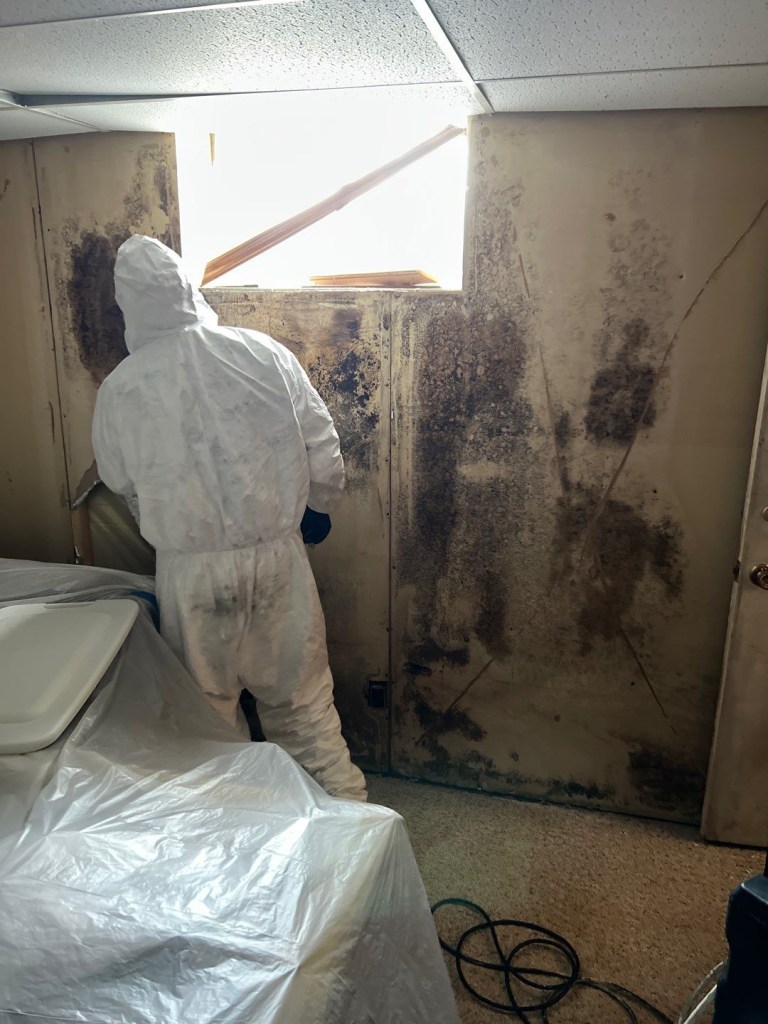
This basement was below grade, the waterproofing product used to seal the exterior when constructed, had degraded and delaminated over time. The Importance of Exterior and Interior Waterproofing
Waterproofing is an essential aspect of maintaining the structural integrity and longevity of any property. Whether it’s a residential home, a commercial building, or an industrial facility, ensuring that both the exterior and interior are well-protected from water damage can save you significant time, money, and stress in the long run. Here’s why you might need exterior or interior waterproofing and how it can benefit your property.
Understanding Exterior Waterproofing
Exterior waterproofing focuses on protecting the outer structure of a building from water infiltration. This type of waterproofing is crucial for several reasons:
- Preventing Structural Damage: Water seepage can weaken the foundation, leading to cracks and structural instability. Exterior waterproofing helps keep water away from the foundation, preserving its strength and durability.
- Mold and Mildew Prevention: Moisture can create an ideal environment for mold and mildew growth, which can cause health issues and damage building materials. Exterior waterproofing reduces the risk of mold and mildew by keeping water out.
- Enhancing Property Value: A well-maintained, waterproofed exterior can increase your property’s market value. Potential buyers are likely to pay more for a home or building that doesn’t have water damage issues.
- Energy Efficiency: Waterproofing can also improve your property’s energy efficiency. Proper insulation and waterproofing can help maintain indoor temperatures, reducing the load on heating and cooling systems.
The Role of Interior Waterproofing

Annual inspections are needed to maintain waterproofing efforts all of our waterproofing installations come with regular maintenance and inspections Interior waterproofing is equally important and serves as an additional line of defense against water intrusion. Here’s why you might need interior waterproofing:
- Basement Protection: Basements are particularly susceptible to water infiltration. Interior waterproofing helps keep basements dry, preventing damage to personal belongings and reducing the risk of mold growth.
- Mitigating Existing Water Problems: If your property already has water issues, interior waterproofing can help manage and reduce the impact. This approach includes installing sump pumps, interior drainage systems, and waterproof coatings.
- Health and Safety: A dry interior environment is crucial for maintaining good indoor air quality. Waterproofing helps prevent mold and mildew, which can cause respiratory problems and other health issues.
- Longevity of Building Materials: Water damage can cause significant wear and tear on building materials. Interior waterproofing protects walls, floors, and other structures from moisture, prolonging their lifespan.
Choosing the Right Waterproofing Solution
Determining whether you need exterior or interior waterproofing—or both—depends on your specific situation. Here are some factors to consider:
- Climate and Weather Conditions: Properties in areas with high rainfall or prone to flooding may benefit more from exterior waterproofing.
- Age and Condition of the Property: Older properties with existing water damage may require comprehensive interior waterproofing solutions.
- Budget and Resources: While exterior waterproofing is typically more expensive, it offers long-term benefits. Interior waterproofing can be a cost-effective solution for managing current issues.
Professional Waterproofing Services
IICRC Water-Mold-Smoke-Fire Damage Certified Professionals Call ☎️ 859-267-3482 At Property Damage Solutions, we specialize in both exterior and interior waterproofing services. Our team of experts can assess your property, identify potential water intrusion points, and recommend the best solutions to protect your investment.
Conclusion
Waterproofing is not just an optional upgrade; it’s a necessary step to protect your property from the damaging effects of water. Whether you need to safeguard the exterior, manage existing interior issues, or both, professional waterproofing services can help you maintain a safe, dry, and valuable property. Contact us today to learn more about our comprehensive waterproofing solutions and how we can help you achieve peace of mind and long-term property protection.
For more information, visit Property Damage Solutions or give us a call at 859-302-9666. Let us help you keep your property safe from water damage.
-
Understanding Whiskey Fungus: Causes, Effects, and Prevention

Whiskey Fungus Is A Black Mold Whiskey fungus, also known as Baudoinia compniacensis, is a type of black mold that commonly grows on buildings and structures near whiskey distilleries and other facilities where ethanol is produced. While whiskey fungus itself does not pose significant health risks to humans, it can cause aesthetic and structural damage to buildings and outdoor surfaces. In this article, we’ll explore the causes, effects, and prevention measures for whiskey fungus.
Causes of Whiskey Fungus:
Whiskey fungus thrives in environments with high levels of ethanol vapor, which are typically found near distilleries, breweries, and other industrial facilities where alcohol is produced. The fungus feeds on the ethanol vapors released during the fermentation and aging processes, as well as on other organic compounds present in the air.

Houses Near Distilleries Commonly Need Pressure Washed And Treated Effects of Whiskey Fungus:
- Aesthetic Damage: The most noticeable effect of whiskey fungus is the black staining it creates on outdoor surfaces such as buildings, fences, and trees. These unsightly stains can detract from the appearance of properties and structures, leading to concerns among property owners and communities.
- Structural Damage: In addition to aesthetic concerns, whiskey fungus can also cause structural damage to buildings and other surfaces over time. The fungus can penetrate and degrade certain types of building materials, including wood, concrete, and metal, potentially compromising their integrity and longevity.
- Environmental Impact: Whiskey fungus releases spores into the air, which can spread and settle on nearby vegetation, soil, and water bodies. While the impact of whiskey fungus on the environment is relatively minimal compared to other types of pollution, it can still contribute to ecological changes in affected areas.

We use a plant based anti microbial in our monthly treatments for clients as well as thorough inspections to the most vulnerable areas of the home. These monthly treatments are for any microbes as well as whiskey fungus. Prevention of Whiskey Fungus:
- Site Selection: When planning the location of a distillery or industrial facility, consider the surrounding environment and potential impacts on nearby properties. Choose sites with adequate distance from residential areas and sensitive ecosystems to minimize the risk of whiskey fungus growth.
- Emissions Control: Implement measures to control and reduce emissions of ethanol vapors and other organic compounds from production processes. This may include installing vapor recovery systems, improving ventilation, and optimizing fermentation and aging techniques to minimize emissions.
- Surface Treatments: Apply protective coatings or sealants to outdoor surfaces to create a barrier against whiskey fungus growth. These treatments can help prevent the fungus from establishing a foothold and make it easier to clean and remove any staining that does occur.
- Regular Maintenance: Implement a regular maintenance schedule to inspect and clean outdoor surfaces for signs of whiskey fungus growth. Promptly remove any black stains using appropriate cleaning methods and products to prevent further spread and damage.
- Community Engagement: Foster open communication and collaboration with local communities and stakeholders to address concerns related to whiskey fungus. Educate residents and property owners about the causes and effects of the fungus and involve them in discussions about prevention and mitigation strategies.
Conclusion:
Whiskey fungus may not pose a direct health risk to humans, but its presence can have significant aesthetic and structural impacts on buildings and outdoor surfaces near distilleries and industrial facilities. By understanding the causes of whiskey fungus and implementing proactive prevention measures, we can minimize its effects and preserve the integrity and beauty of our communities.
For professional assistance with whiskey fungus removal and prevention, contact Property Damage Solutions at (859) 302-9666 or email propertydamage123@gmail.com.
We Are IICRC Certified Mold Removal Specialists Call, Text, Email, we do emergency water extraction 24/7/365
-

Emergency Water Extraction from Basements and Crawlspaces in Richmond, Kentucky
Emergency Water Extraction from Basements and Crawlspaces in Richmond, Kentucky
When disaster strikes, swift action is crucial to minimize damage and restore normalcy. At Property Damage Solutions, we specialize in emergency water extraction services for basements and crawlspaces in Richmond, Kentucky, and surrounding areas of central Kentucky. With our prompt response and expertise, we’ll help you mitigate water damage effectively, ensuring your property is restored to its pre-loss condition.
Expert Water Extraction Services
Our team of skilled professionals is equipped with state-of-the-art equipment and industry-leading techniques to tackle water emergencies of any scale. Whether it’s a burst pipe, flooding, or any other water-related catastrophe, we’re here to provide swift and efficient water extraction services.
Comprehensive Assessment and Planning
Upon arrival at your property, our certified technicians will conduct a thorough assessment of the water damage. We’ll determine the extent of the damage and formulate a tailored plan to address the situation effectively. Our goal is to minimize disruption to your life and property while ensuring thorough water extraction and drying.
Advanced Equipment and Techniques
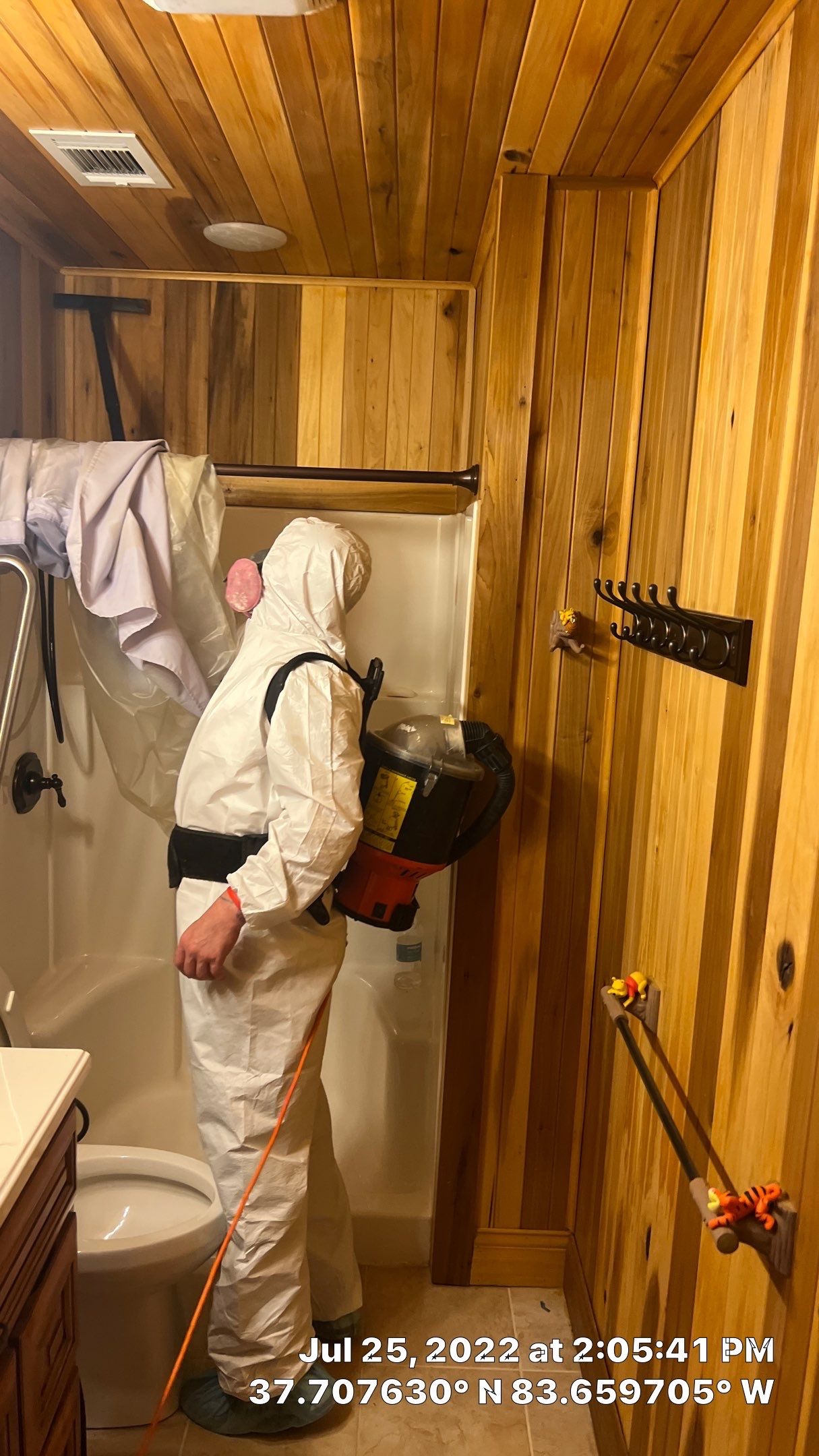
At Property Damage Solutions, we utilize advanced water extraction equipment, including powerful pumps, extractors, and dehumidifiers, to remove water quickly and efficiently. Our team is trained in the latest techniques for water removal and structural drying, ensuring that your property is dried thoroughly to prevent mold growth and structural damage.
24/7 Emergency Response
Water emergencies can happen at any time, day or night. That’s why we offer 24/7 emergency response services to our clients in Richmond, Kentucky, and the surrounding areas. You can count on us to be there when you need us the most, ready to provide immediate assistance and peace of mind.
Licensed, Bonded, and Insured
Property Damage Solutions is a licensed, bonded, and insured water damage restoration company. We adhere to the highest industry standards and regulations to ensure the safety and satisfaction of our clients. With us, you can rest assured that your property is in capable hands.
Contact Us Today
 Call ☎️ 859-302-9666
Don’t let water damage wreak havoc on your property. If you’re facing a water emergency in your basement or crawlspace, don’t hesitate to contact Property Damage Solutions at 859-302-9666. Our team is standing by to provide prompt, professional assistance and help you restore your property to its former glory.
-
How Does A.T.P testing work

The following article explains; How Does A.T.P testing work.
ATP (Adenosine Triphosphate) testing is a method used to determine the presence of biological contamination, such as bacteria, yeast, or mold, in a sample. The test works by measuring the amount of ATP (a molecule found in all living cells) in a sample using a luminometer.

A.T.P Testing With A Luminometer Typically, the sample is mixed with a reagent called luciferin, which reacts with ATP to produce light. The amount of light produced is proportional to the amount of ATP present in the sample. The light emission is then measured by the luminometer, and the result is reported in relative light units (RLU). High RLU values indicate high levels of ATP and therefore high levels of biological contamination.
ATP testing is widely used in a variety of industries, including food safety, environmental monitoring, and healthcare, as a quick and simple way to assess the level of hygiene and cleanliness in a given area.
-
lexington, kentucky, mold damage, mold inspection company, mold remediation, mold removal, richmond,Kentucky, Water Damage, water damage cleanup, water damage cleanup company, water damage mitigation, water damage mitigation company, water damage restoration, water removal service near me, water restoration company
How to thaw frozen pipes

For emergency water removal call ☎️ (859)302-2702
Old man winter is unbearable as it is, water damage from burst frozen pipes in the middle of it can be a nightmare. Should your pipes freeze, the following will give you tips on how to thaw frozen pipes.
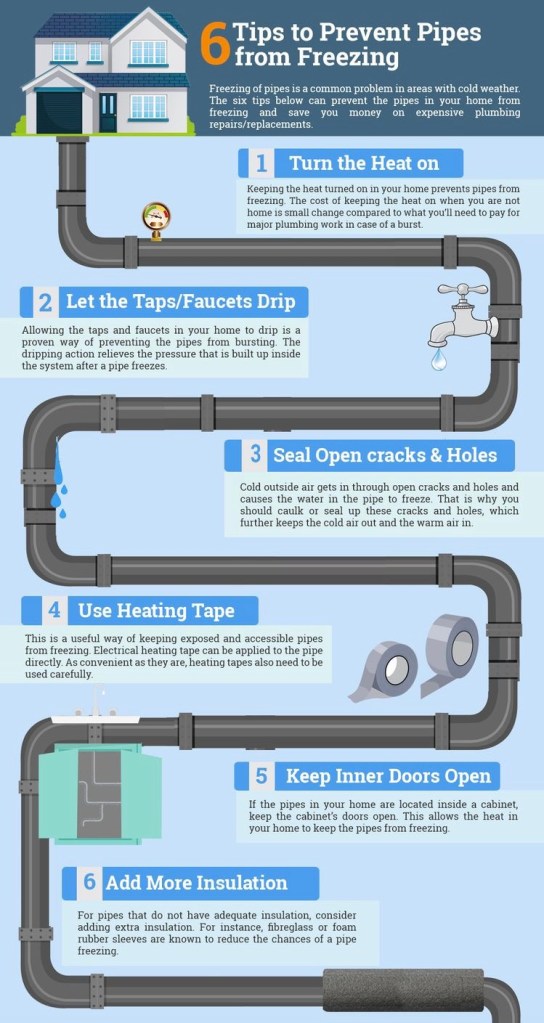
Tips on thawing frozen water pipes to parent water damage Thawing Frozen Pipes
What to do if a pipe bursts
https://www.lex18.com/news/unprecedented-number-of-water-pipes-break-in-lexington?_amp=true
If a pipe bursts in your home, you’ll need to act fast to mitigate additional damage. Shut off your water as quickly as possible. This will help minimize the amount of water that seeps out inside your walls. You may also want to shut off power in the affected area of your home. After you’ve taken these precautionary steps, it’s time to call a plumber and start mopping up any mess that’s been caused. Try to remove as much of the water and lingering moisture as you can to avoid mold and mildew buildup. Depending on the severity of your case, you may also need to bring in other professionals to address damage to your walls, carpet, flooring or ceiling.
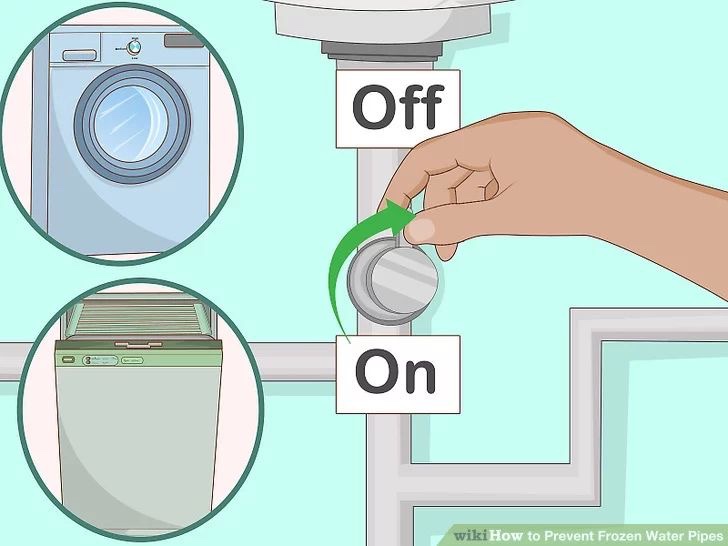
Shit water off to prevent water damage in case a pipe bursts How to thaw out pipes
How can you tell if your pipes are frozen? If you turn on the bathroom or kitchen faucet and see only a few drops or a trickle of water, this could indicate that water inside the pipes has frozen – preventing a free flow. But don’t panic. You may be more equipped to deal with the situation than you think. Here’s a quick lesson on how to thaw a frozen pipe.
Step 1. Turn on the faucet
Keep it running. Allowing the faucet to drip even slightly can help prevent a pipe from bursting. It’s simple – when freezing takes place, extreme pressure builds between the faucet and the ice blockage. An open faucet relieves this pressure buildup, in turn preventing a burst from occurring.
Step 2. Apply heat to the frozen area, thermal energy promotes drying.
Slowly apply heat using a hair dryer. There are several ways to do this. You can wrap the pipes in thermostatically controlled heat tape, or you can use an external heat source such as a hair dryer or space heater. Do not use a propane torch as this can damage the pipe and present a fire risk.
If you decide to use a hair dryer, begin directing air close to the faucet end of the pipe and gradually move toward the coldest section. Be careful not to overheat the hair dryer or blow a fuse. Remember, the faucet should be left on while heat is being applied.
Step 3. Continue to apply heat
Don’t stop heating until full water pressure is restored. Even then, it’s a good idea to leave the faucet open for a few minutes after the pipe is thawed. This will give the ice time to completely clear from the line.
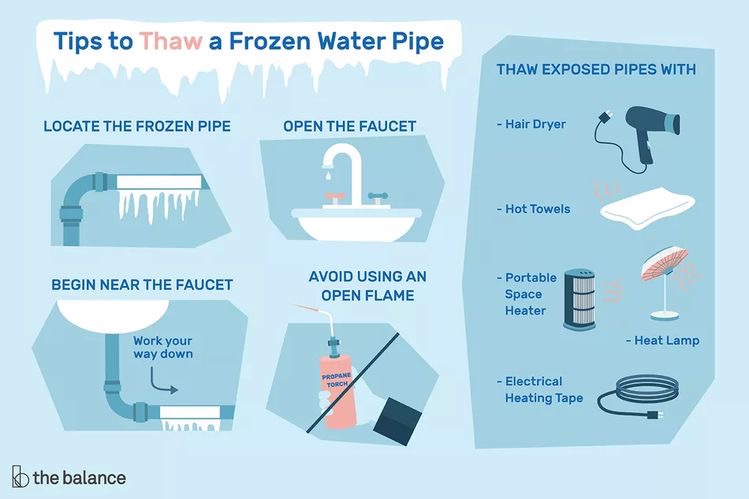
Ways to thaw frozen pipes Step 4. Check all faucets and prevent pipes from freezing in the future
Check each faucet in your home for any other frozen pipes. One frozen pipe may mean that others have been affected as well.
If the problem persists, contact a plumber. You can prevent pipes from freezing again by taking a few simple steps:
Before traveling, keep the temperature in your home above freezing and turn off all the water to your house.
Be sure to keep all water pipes, especially those close to outside walls, insulated with foam rubber or heating cable.
Keep cabinet doors open to allow air to circulate.
Let your faucets drip cold water – it is harder for a pipe to freeze even if there is a trickle of water flowing through. In order to not waste water, you can collect the drops and reuse it, possibly for cleaning or watering plants.
How long does it take for pipes to unfreeze?
Using any of the handful of methods on how to thaw frozen pipes will typically take about 30 minutes. This can vary depending on the weather, how long the pipe has been frozen and where the pipe is located. Any of these factors can cause the thawing process to take longer.2
And remember, a frozen pipe isn’t the only issue that comes with cold weather. Find out other ways to protect your home during the winter.
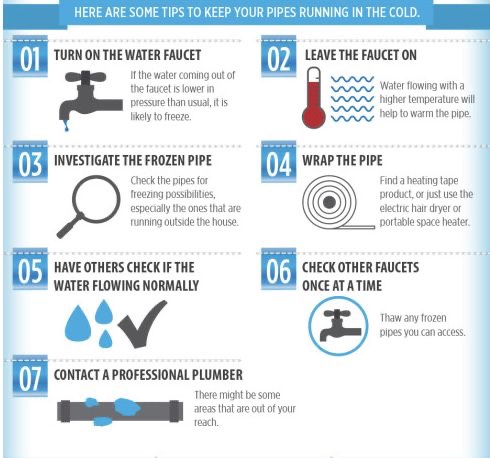
Ways to prevent frozen pipes Quick tip on drying if you have a pipe burst, find out the GPP (grains per pound) inside your home and then outside, you can do this by purchasing a thermometer hydrometer. If the gpp is lower outside than inside, then you can dry your home with what is known in the water damage restoration industry as “an open drying system. Click to check out our mold damage prevention tips there is more tips on how to dry a house out after water damage without water damage restoration equipment.
-
-
7 Tell Tale Signs That You May Have Mold

Colony of black mold Title: 7 Tell tale Signs That You May Have Mold: A Comprehensive Guide
Introduction: Mold is a common problem that can affect homes and buildings, leading to various health issues and property damage. Detecting mold early is crucial for prompt remediation and to minimize the potential risks. In this comprehensive guide, we will explore seven key signs that indicate you may have mold in your surroundings. By being aware of these signs, you can take proactive measures to address mold growth and ensure a healthy living environment.
If you don’t want to tackle mold remediation yourself call a certified professional at ☎️ Section 1: Musty Odor
- Explain how a persistent musty odor is a prominent sign of mold presence.
- Discuss the distinct earthy or damp smell associated with mold growth.
- Highlight that even if mold is not immediately visible, the odor indicates a potential mold problem.
Section 2: Visible Mold Growth
- Emphasize the importance of regularly inspecting your surroundings for visible mold growth.
- Describe common areas where mold growth is frequently found, such as bathrooms, basements, and areas affected by water damage.
- Highlight the various forms of mold, including black, green, white, or brown patches on surfaces.
Section 3: Water Damage or Excess Moisture
- Explain how water damage or excess moisture can create an ideal environment for mold growth.
- Discuss the correlation between water intrusion, leaks, or high humidity levels and mold development.
- Encourage regular inspection of areas prone to water damage, such as under sinks, around windows, and near plumbing fixtures.
Section 4: Allergic Reactions and Respiratory Issues
- Discuss how exposure to mold can trigger allergic reactions in susceptible individuals.
- Highlight symptoms such as sneezing, coughing, itchy eyes, nasal congestion, and skin rashes.
- Explain that prolonged exposure to mold may lead to respiratory issues and exacerbate existing respiratory conditions.
Section 5: Stains or Discoloration on Walls or Ceilings
- Describe how stains or discoloration on walls or ceilings can indicate hidden mold growth.
- Discuss the appearance of yellowish, brownish, or greenish patches on surfaces as potential signs of mold infestation.
- Explain the importance of investigating the source of stains and addressing them promptly.
Section 6: Peeling or Warping of Surfaces
- Highlight how mold growth can cause surfaces to peel, bubble, or warp.
- Explain that mold feeds on organic materials, leading to structural damage over time.
- Encourage regular inspection of surfaces such as wallpaper, drywall, or wooden panels for signs of deterioration.
Section 7: Excessive Condensation
- Explain how excessive condensation on windows, pipes, or walls can indicate high humidity levels conducive to mold growth.
- Discuss the importance of proper ventilation and humidity control to prevent condensation-related mold issues.
- Encourage the use of dehumidifiers in areas prone to excess moisture.
Most Trusted Mold Remediation Professionals
Conclusion: Detecting mold in its early stages is crucial for effective remediation and maintaining a healthy living environment. By being aware of the seven signs mentioned in this guide – musty odor, visible mold growth, water damage or excess moisture, allergic reactions and respiratory issues, stains or discoloration on walls or ceilings, peeling or warping of surfaces, and excessive condensation – you can promptly address potential mold problems. Remember, if you suspect mold growth, it is advisable to seek professional assistance for proper inspection, testing, and remediation to ensure thorough and safe removal of mold from your surroundings.
Mold Remediation Specialists In Kentucky
Call ☎️ 502-503-1902 for professional mold remediation.
-
This Is A Walkthrough Of What Our Technicians Will Do Upon Arrival
This Is A Walkthrough Of What Our Technicians Will Do Upon Arrival For Water Damage Restoration

Water Damage Restoration Technician - Assess Safety:
- Evaluate the safety of the work area and ensure it is safe to enter.
- Identify any potential hazards such as electrical or structural issues.
- Communicate with the Client:
- Introduce yourself to the client and establish a rapport.
- Discuss the situation and gather information about the water damage.
- Address any concerns or questions the client may have.
- Evaluate the Water Damage:
- Inspect the affected areas and assess the extent of the water damage.
- Determine the source of the water intrusion and take necessary measures to stop it, if applicable.
- Note the category and classification of the water damage (e.g., clean water, gray water, black water; class 1, 2, 3, or 4).
- Document the Damage:
- Take photographs or videos of the affected areas to document the initial condition.
- Make detailed notes about the extent of the damage, affected materials, and any visible signs of mold or structural issues.
- Determine the Restoration Plan:
- Develop a comprehensive plan for the restoration process, considering the type and severity of the damage.
- Identify the necessary equipment, materials, and techniques required for the restoration.
- Mitigate Further Damage:
- Take immediate actions to prevent further damage to the property or belongings.
- Set up containment barriers, if needed, to isolate the affected areas from unaffected parts of the property.
- Extract Water:
- Use appropriate extraction equipment to remove standing water from the premises.
- Extract water from carpets, furniture, and other affected materials as necessary.
- Begin Drying Process:
- Set up industrial fans, dehumidifiers, and other drying equipment to facilitate the drying process.
- Monitor the moisture levels regularly and make adjustments to the drying setup if needed.
- Salvage and Pack Out:
- Determine salvageable items and start the pack-out process for items that require off-site restoration or storage.
- Document and label items accurately for proper tracking.
- Communicate with the Client and Insurance:
- Update the client on the progress of the restoration work.
- Communicate with the client’s insurance company, if applicable, and provide necessary documentation or reports.
- Maintain a Clean and Organized Work Area:
- Keep the work area tidy and organized throughout the restoration process.
- Dispose of any debris or damaged materials properly.
- Follow Safety and Industry Standards:
- Adhere to safety protocols, including the use of personal protective equipment (PPE).
- Follow industry guidelines and best practices for water damage restoration.
For Quality Water Damage Restoration ☎️ call (502)503-1902
- Assess Safety:
-
Professional Water and Fire Damage Restoration Services in Richmond Kentucky
Looking for professional water and fire damage restoration services in Richmond, Kentucky? Look no further! Our experienced team of experts is here to restore your property to its pre-damage condition quickly and efficiently.
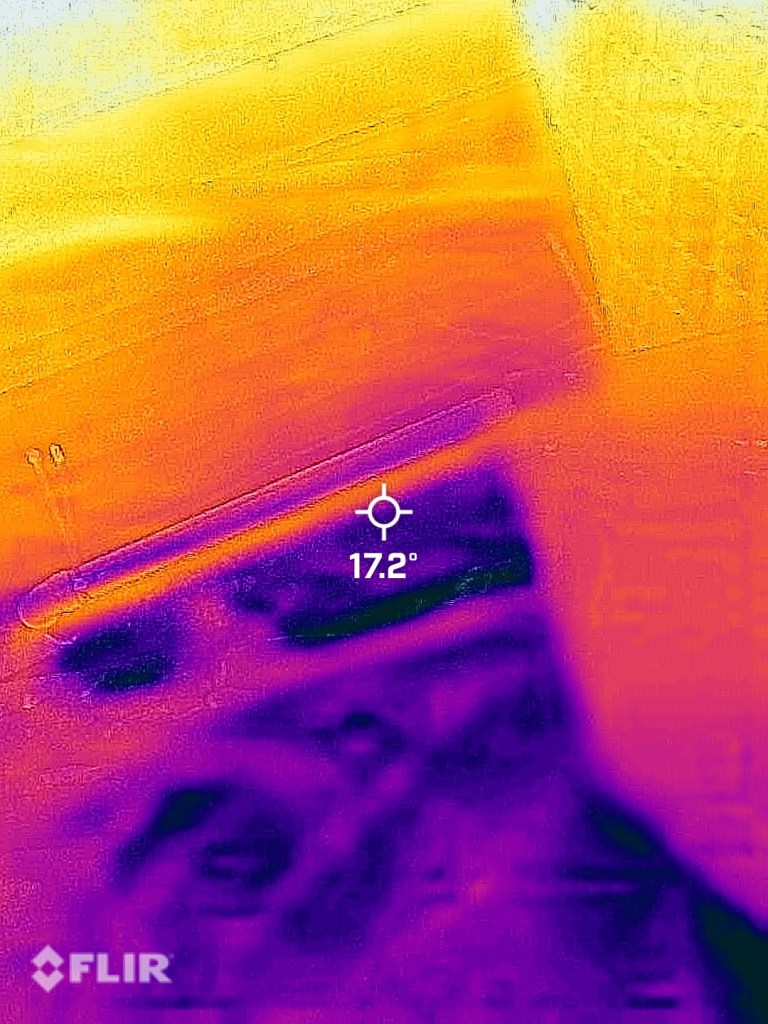
Thermal image on a water and fire damage restoration project Most Trusted Company in Richmond Kentucky
From water extraction and drying to smoke and odor removal, we handle it all. With our state-of-the-art equipment and proven techniques, we ensure thorough cleanup and restoration, minimizing further damage and preventing mold growth. Trust our licensed and insured team to provide prompt emergency response, 24/7, to help you get back on your feet after a disaster. Contact us today for reliable and comprehensive water and fire damage restoration services in Richmond, Kentucky.
-
Top 7 things you can do to your home before you sell it to add more value
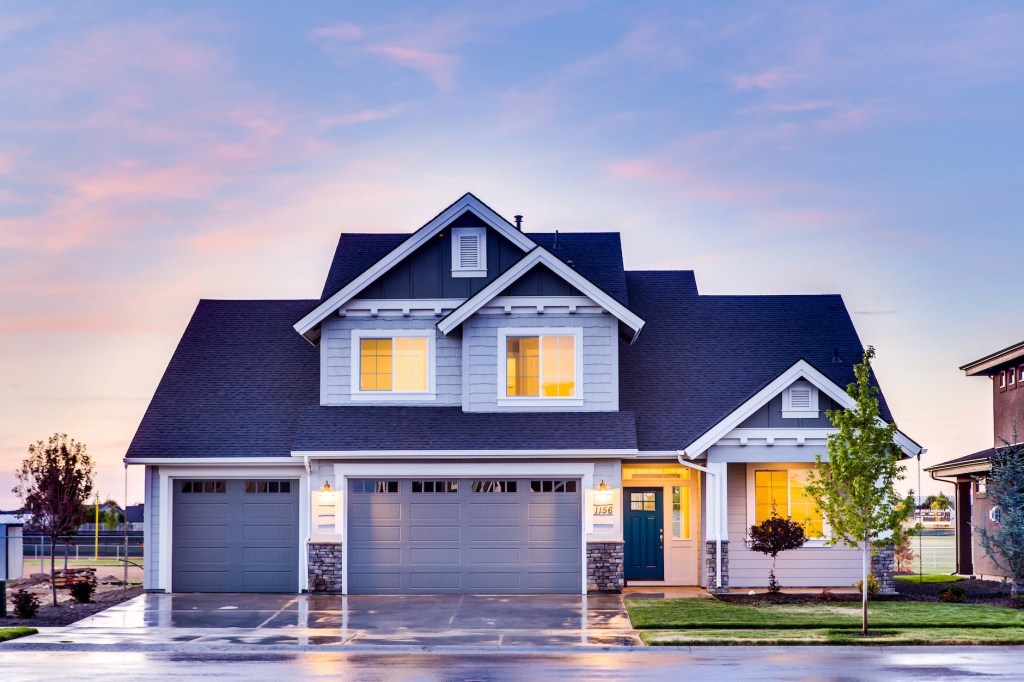
When it comes to selling your home, you want to make sure you’re getting the most value out of it. While some homeowners might think that a complete renovation is necessary to add value to their home, there are many simple and affordable things you can do to make your home more appealing to potential buyers. Here are the top 7 things you can do to your home before you sell it to add more value:
1. Declutter and Deep Clean
One of the easiest and most affordable things you can do to make your home more appealing to potential buyers is to declutter and deep clean. A clean and clutter-free home not only looks better, but it also makes the space feel more inviting and spacious. Make sure to clean every nook and cranny of your home, including windows, walls, floors, and carpets. Consider hiring a professional cleaning service to deep clean your home and ensure that every inch of your property looks and smells fresh.
2. Repaint Walls and Refresh Fixtures
Another easy way to add value to your home is to repaint the walls and refresh the fixtures. Fresh paint and new fixtures can make your home look newer and more modern, which is a big plus for potential buyers. Stick to neutral colors that will appeal to a wider audience, and don’t forget to update old fixtures such as faucets, door handles, and light switches.
3. Update the Kitchen
The kitchen is often considered the heart of the home, so updating it can go a long way in adding value to your property. Consider replacing old appliances with new, energy-efficient models, and upgrade countertops and cabinets if they’re looking dated. Adding a fresh coat of paint or new backsplash can also make a big difference in how your kitchen looks and feels.
We are IICRC certified restoration experts
4. Upgrade the Bathroom
Like the kitchen, the bathroom is another room that can add a lot of value to your home when updated. Consider replacing old fixtures with new ones, adding new lighting, and upgrading the vanity and countertops. Adding a fresh coat of paint or new tiles can also make a big difference in the overall look and feel of your bathroom.
5. Increase Energy Efficiency
Energy efficiency is becoming increasingly important to homebuyers, so making your home more energy-efficient can add a lot of value to your property. Consider adding insulation, upgrading windows and doors, and replacing old appliances with energy-efficient models. Not only will these upgrades make your home more appealing to buyers, but they can also save you money on your energy bills in the meantime.
6. Improve Curb Appeal
First impressions are everything, and the same goes for your home. Improving your home’s curb appeal can make a big difference in how potential buyers perceive your property. Consider adding new landscaping, painting the front door, and updating your mailbox and house numbers. Cleaning up your yard and power washing your exterior can also make a big difference in how your home looks from the street.
7. Add Extra Living Space
Finally, adding extra living space to your home can add a lot of value to your property. Consider finishing your basement, adding a deck, or converting a garage into a bonus room. The extra space can be used as a guest room, home office, or entertainment space, and it can make your home more appealing to a wider audience.
Reliable Remodeling And Restoration Specialists Call ☎️ (502)503-1902
In conclusion, there are many things you can do to add value to your home before selling it. From decluttering and deep cleaning to updating your kitchen and bathroom, these simple upgrades can make a big difference in how your property looks and feels to potential buyers. With a little effort and investment, you can ensure that you’re getting the most value out of your home when it’s time to sell.

Dont Let Water Damage Destroy Your House
Call For An Inspection: (859)302-2702
We Servere:
Lexington, Kentucky
Richmond,Kentucky
Newby,Kentucky
Nicholasvillle,Kentucky
Georgetown, Kentucky
Winchester, Kentucky
Follow Me On
Subscribe To My Newsletter
Subscribe for new travel stories and exclusive content.

