-
cigarette smoke odor removal, fire damage restoration, lexington, kentucky, mold inspection company, mold removal service, smoke odor removal, Water Damage, water damage cleanup, water damage cleanup company, water damage mitigation, water damage mitigation company, water damage restoration, water removal service near me, water restoration company
7 Hidden Signs of Water Damage in Your Home or Business
Serving All Of Central Kentucky


We are an IICRC Water Damage Restoration Master Restorers

Book Now

We Are Also IICRC Certified Master Fire Damage Restorers Click To Book
24 HR Water Removal Services Click To Call
-
The Importance of Exterior and Interior Waterproofing

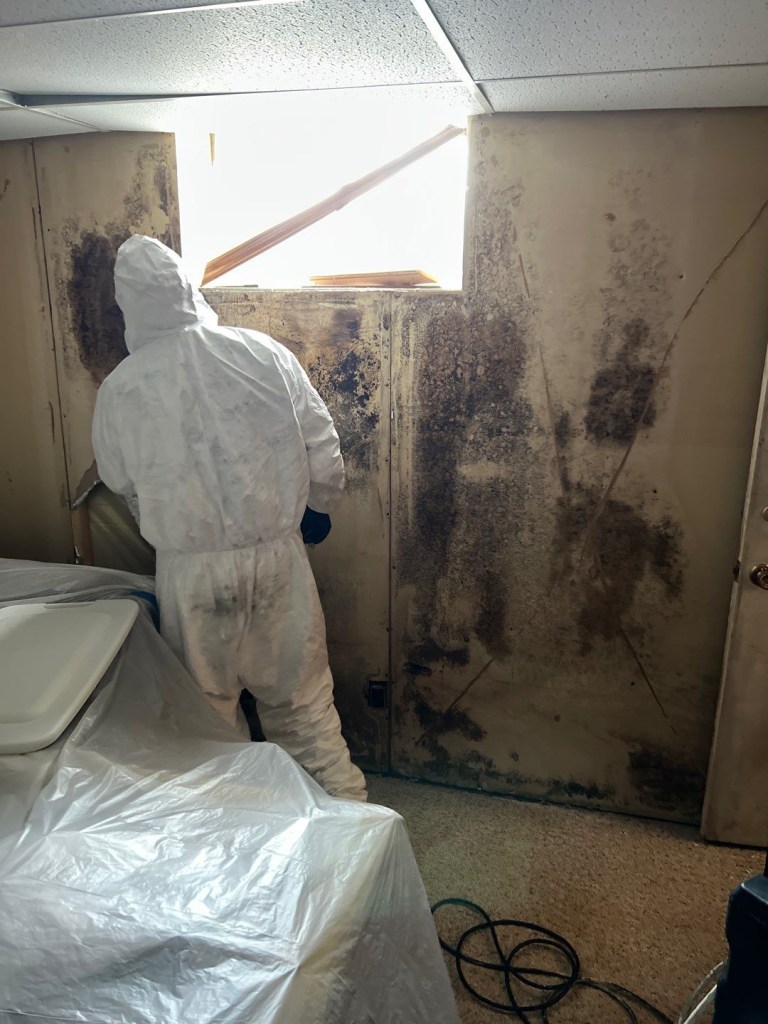
This basement was below grade, the waterproofing product used to seal the exterior when constructed, had degraded and delaminated over time. The Importance of Exterior and Interior Waterproofing
Waterproofing is an essential aspect of maintaining the structural integrity and longevity of any property. Whether it’s a residential home, a commercial building, or an industrial facility, ensuring that both the exterior and interior are well-protected from water damage can save you significant time, money, and stress in the long run. Here’s why you might need exterior or interior waterproofing and how it can benefit your property.
Understanding Exterior Waterproofing
Exterior waterproofing focuses on protecting the outer structure of a building from water infiltration. This type of waterproofing is crucial for several reasons:
- Preventing Structural Damage: Water seepage can weaken the foundation, leading to cracks and structural instability. Exterior waterproofing helps keep water away from the foundation, preserving its strength and durability.
- Mold and Mildew Prevention: Moisture can create an ideal environment for mold and mildew growth, which can cause health issues and damage building materials. Exterior waterproofing reduces the risk of mold and mildew by keeping water out.
- Enhancing Property Value: A well-maintained, waterproofed exterior can increase your property’s market value. Potential buyers are likely to pay more for a home or building that doesn’t have water damage issues.
- Energy Efficiency: Waterproofing can also improve your property’s energy efficiency. Proper insulation and waterproofing can help maintain indoor temperatures, reducing the load on heating and cooling systems.
The Role of Interior Waterproofing

Annual inspections are needed to maintain waterproofing efforts all of our waterproofing installations come with regular maintenance and inspections Interior waterproofing is equally important and serves as an additional line of defense against water intrusion. Here’s why you might need interior waterproofing:
- Basement Protection: Basements are particularly susceptible to water infiltration. Interior waterproofing helps keep basements dry, preventing damage to personal belongings and reducing the risk of mold growth.
- Mitigating Existing Water Problems: If your property already has water issues, interior waterproofing can help manage and reduce the impact. This approach includes installing sump pumps, interior drainage systems, and waterproof coatings.
- Health and Safety: A dry interior environment is crucial for maintaining good indoor air quality. Waterproofing helps prevent mold and mildew, which can cause respiratory problems and other health issues.
- Longevity of Building Materials: Water damage can cause significant wear and tear on building materials. Interior waterproofing protects walls, floors, and other structures from moisture, prolonging their lifespan.
Choosing the Right Waterproofing Solution
Determining whether you need exterior or interior waterproofing—or both—depends on your specific situation. Here are some factors to consider:
- Climate and Weather Conditions: Properties in areas with high rainfall or prone to flooding may benefit more from exterior waterproofing.
- Age and Condition of the Property: Older properties with existing water damage may require comprehensive interior waterproofing solutions.
- Budget and Resources: While exterior waterproofing is typically more expensive, it offers long-term benefits. Interior waterproofing can be a cost-effective solution for managing current issues.
Professional Waterproofing Services

IICRC Water-Mold-Smoke-Fire Damage Certified Professionals Call ☎️ 859-267-3482 At Property Damage Solutions, we specialize in both exterior and interior waterproofing services. Our team of experts can assess your property, identify potential water intrusion points, and recommend the best solutions to protect your investment.
Conclusion
Waterproofing is not just an optional upgrade; it’s a necessary step to protect your property from the damaging effects of water. Whether you need to safeguard the exterior, manage existing interior issues, or both, professional waterproofing services can help you maintain a safe, dry, and valuable property. Contact us today to learn more about our comprehensive waterproofing solutions and how we can help you achieve peace of mind and long-term property protection.
For more information, visit Property Damage Solutions or give us a call at 859-302-9666. Let us help you keep your property safe from water damage.
-
Understanding Whiskey Fungus: Causes, Effects, and Prevention

Whiskey Fungus Is A Black Mold Whiskey fungus, also known as Baudoinia compniacensis, is a type of black mold that commonly grows on buildings and structures near whiskey distilleries and other facilities where ethanol is produced. While whiskey fungus itself does not pose significant health risks to humans, it can cause aesthetic and structural damage to buildings and outdoor surfaces. In this article, we’ll explore the causes, effects, and prevention measures for whiskey fungus.
Causes of Whiskey Fungus:
Whiskey fungus thrives in environments with high levels of ethanol vapor, which are typically found near distilleries, breweries, and other industrial facilities where alcohol is produced. The fungus feeds on the ethanol vapors released during the fermentation and aging processes, as well as on other organic compounds present in the air.

Houses Near Distilleries Commonly Need Pressure Washed And Treated Effects of Whiskey Fungus:
- Aesthetic Damage: The most noticeable effect of whiskey fungus is the black staining it creates on outdoor surfaces such as buildings, fences, and trees. These unsightly stains can detract from the appearance of properties and structures, leading to concerns among property owners and communities.
- Structural Damage: In addition to aesthetic concerns, whiskey fungus can also cause structural damage to buildings and other surfaces over time. The fungus can penetrate and degrade certain types of building materials, including wood, concrete, and metal, potentially compromising their integrity and longevity.
- Environmental Impact: Whiskey fungus releases spores into the air, which can spread and settle on nearby vegetation, soil, and water bodies. While the impact of whiskey fungus on the environment is relatively minimal compared to other types of pollution, it can still contribute to ecological changes in affected areas.

We use a plant based anti microbial in our monthly treatments for clients as well as thorough inspections to the most vulnerable areas of the home. These monthly treatments are for any microbes as well as whiskey fungus. Prevention of Whiskey Fungus:
- Site Selection: When planning the location of a distillery or industrial facility, consider the surrounding environment and potential impacts on nearby properties. Choose sites with adequate distance from residential areas and sensitive ecosystems to minimize the risk of whiskey fungus growth.
- Emissions Control: Implement measures to control and reduce emissions of ethanol vapors and other organic compounds from production processes. This may include installing vapor recovery systems, improving ventilation, and optimizing fermentation and aging techniques to minimize emissions.
- Surface Treatments: Apply protective coatings or sealants to outdoor surfaces to create a barrier against whiskey fungus growth. These treatments can help prevent the fungus from establishing a foothold and make it easier to clean and remove any staining that does occur.
- Regular Maintenance: Implement a regular maintenance schedule to inspect and clean outdoor surfaces for signs of whiskey fungus growth. Promptly remove any black stains using appropriate cleaning methods and products to prevent further spread and damage.
- Community Engagement: Foster open communication and collaboration with local communities and stakeholders to address concerns related to whiskey fungus. Educate residents and property owners about the causes and effects of the fungus and involve them in discussions about prevention and mitigation strategies.
Conclusion:
Whiskey fungus may not pose a direct health risk to humans, but its presence can have significant aesthetic and structural impacts on buildings and outdoor surfaces near distilleries and industrial facilities. By understanding the causes of whiskey fungus and implementing proactive prevention measures, we can minimize its effects and preserve the integrity and beauty of our communities.
For professional assistance with whiskey fungus removal and prevention, contact Property Damage Solutions at (859) 302-9666 or email propertydamage123@gmail.com.
We Are IICRC Certified Mold Removal Specialists Call, Text, Email, we do emergency water extraction 24/7/365
-

Emergency Water Extraction from Basements and Crawlspaces in Richmond, Kentucky
Emergency Water Extraction from Basements and Crawlspaces in Richmond, Kentucky
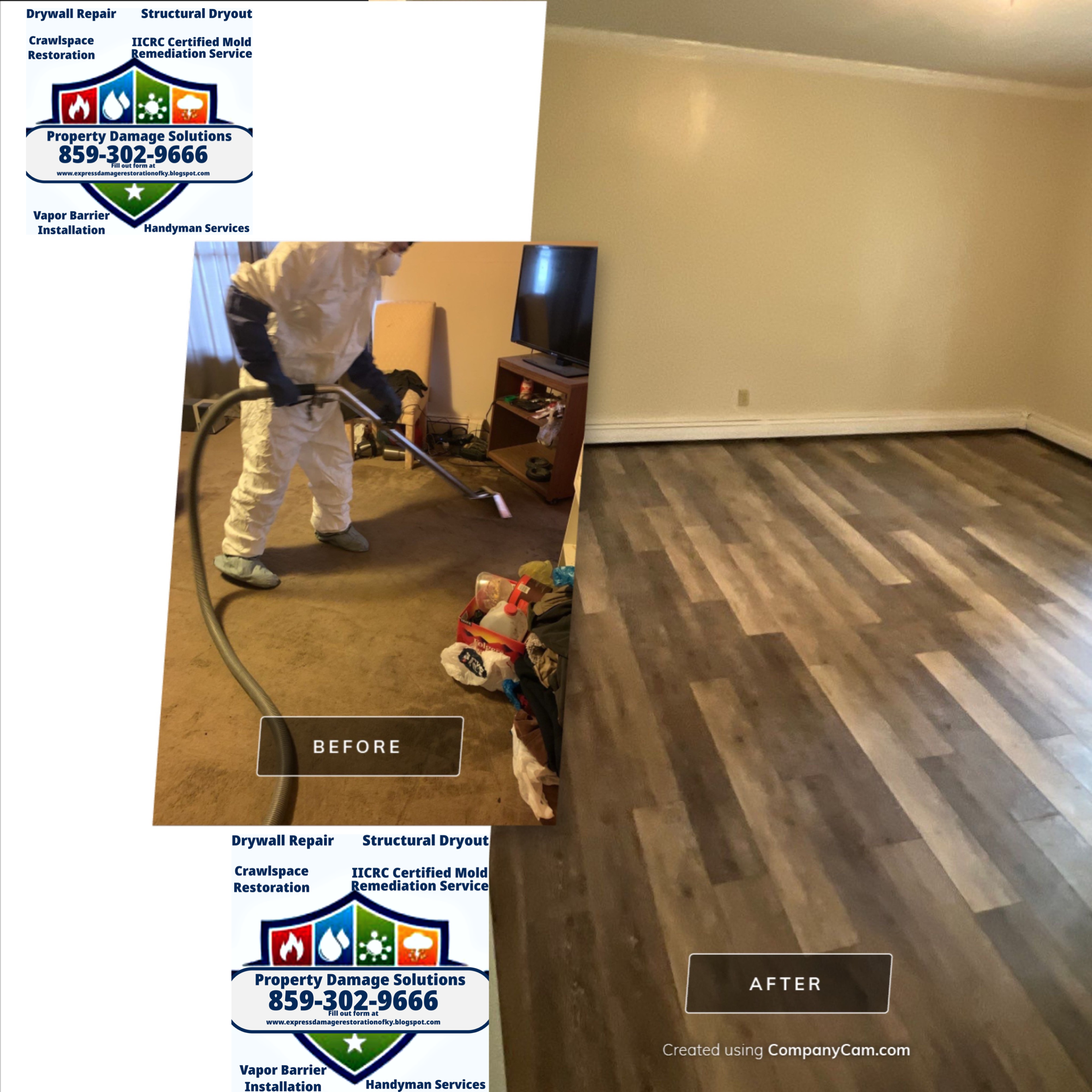
When disaster strikes, swift action is crucial to minimize damage and restore normalcy. At Property Damage Solutions, we specialize in emergency water extraction services for basements and crawlspaces in Richmond, Kentucky, and surrounding areas of central Kentucky. With our prompt response and expertise, we’ll help you mitigate water damage effectively, ensuring your property is restored to its pre-loss condition.
Expert Water Extraction Services
Our team of skilled professionals is equipped with state-of-the-art equipment and industry-leading techniques to tackle water emergencies of any scale. Whether it’s a burst pipe, flooding, or any other water-related catastrophe, we’re here to provide swift and efficient water extraction services.
Comprehensive Assessment and Planning
Upon arrival at your property, our certified technicians will conduct a thorough assessment of the water damage. We’ll determine the extent of the damage and formulate a tailored plan to address the situation effectively. Our goal is to minimize disruption to your life and property while ensuring thorough water extraction and drying.
Advanced Equipment and Techniques
At Property Damage Solutions, we utilize advanced water extraction equipment, including powerful pumps, extractors, and dehumidifiers, to remove water quickly and efficiently. Our team is trained in the latest techniques for water removal and structural drying, ensuring that your property is dried thoroughly to prevent mold growth and structural damage.
24/7 Emergency Response
Water emergencies can happen at any time, day or night. That’s why we offer 24/7 emergency response services to our clients in Richmond, Kentucky, and the surrounding areas. You can count on us to be there when you need us the most, ready to provide immediate assistance and peace of mind.
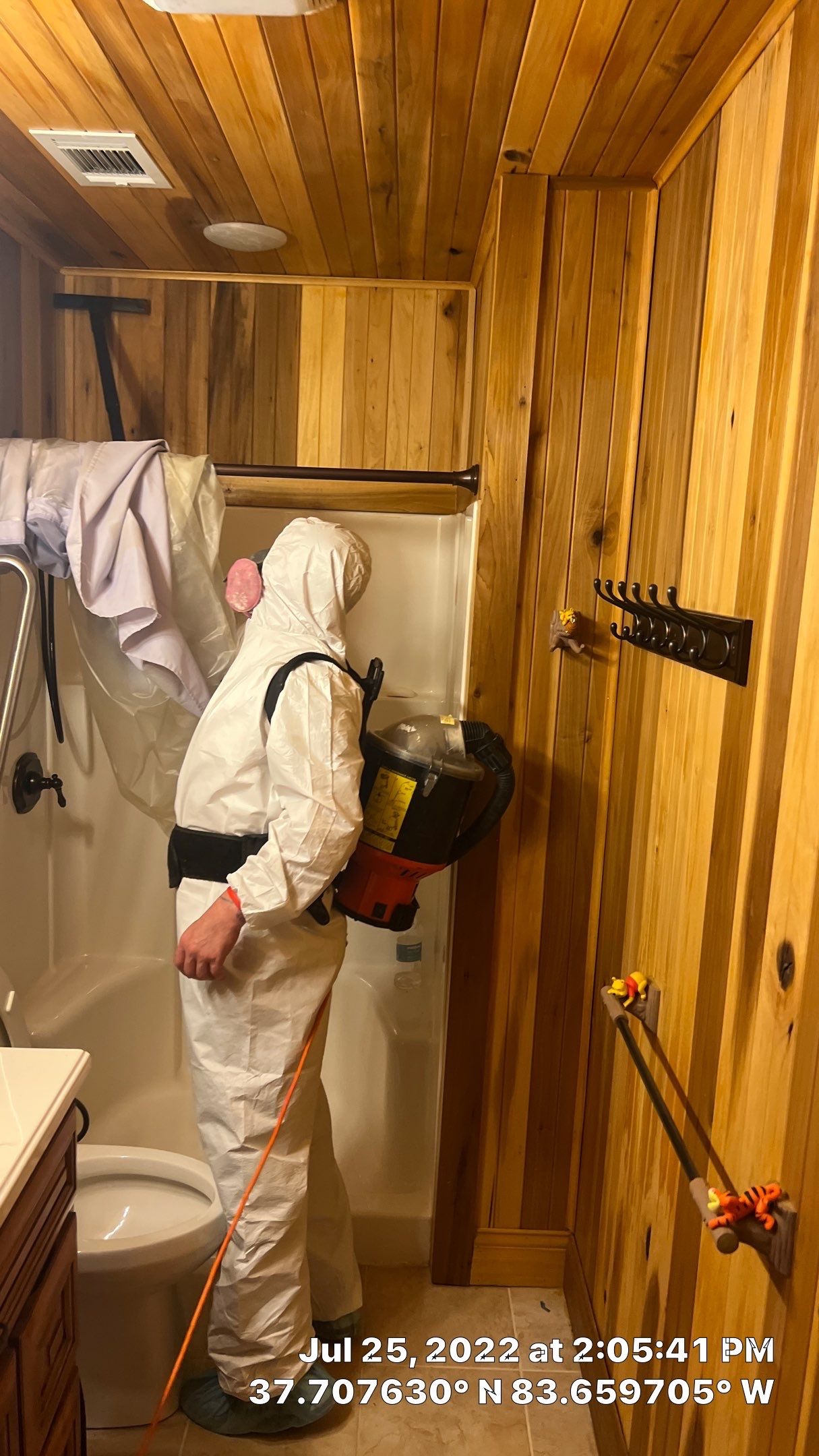
Licensed, Bonded, and Insured
Property Damage Solutions is a licensed, bonded, and insured water damage restoration company. We adhere to the highest industry standards and regulations to ensure the safety and satisfaction of our clients. With us, you can rest assured that your property is in capable hands.
Contact Us Today
 Call ☎️ 859-302-9666
Don’t let water damage wreak havoc on your property. If you’re facing a water emergency in your basement or crawlspace, don’t hesitate to contact Property Damage Solutions at 859-302-9666. Our team is standing by to provide prompt, professional assistance and help you restore your property to its former glory.
-
How Does A.T.P testing work

The following article explains; How Does A.T.P testing work.
ATP (Adenosine Triphosphate) testing is a method used to determine the presence of biological contamination, such as bacteria, yeast, or mold, in a sample. The test works by measuring the amount of ATP (a molecule found in all living cells) in a sample using a luminometer.

A.T.P Testing With A Luminometer Typically, the sample is mixed with a reagent called luciferin, which reacts with ATP to produce light. The amount of light produced is proportional to the amount of ATP present in the sample. The light emission is then measured by the luminometer, and the result is reported in relative light units (RLU). High RLU values indicate high levels of ATP and therefore high levels of biological contamination.
ATP testing is widely used in a variety of industries, including food safety, environmental monitoring, and healthcare, as a quick and simple way to assess the level of hygiene and cleanliness in a given area.
-
lexington, kentucky, mold damage, mold inspection company, mold remediation, mold removal, richmond,Kentucky, Water Damage, water damage cleanup, water damage cleanup company, water damage mitigation, water damage mitigation company, water damage restoration, water removal service near me, water restoration company
How to thaw frozen pipes

For emergency water removal call ☎️ (859)302-2702
Old man winter is unbearable as it is, water damage from burst frozen pipes in the middle of it can be a nightmare. Should your pipes freeze, the following will give you tips on how to thaw frozen pipes.
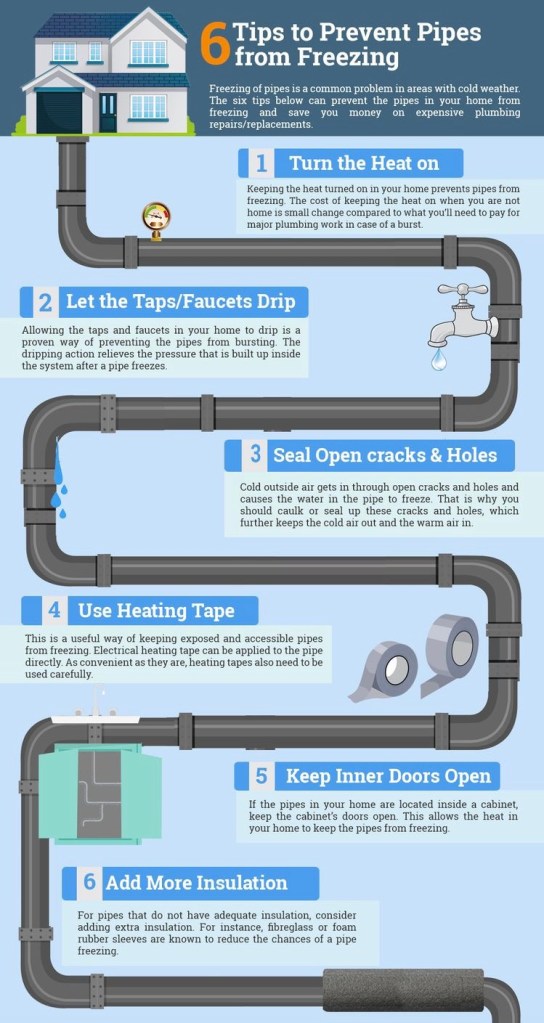
Tips on thawing frozen water pipes to parent water damage Thawing Frozen Pipes
What to do if a pipe bursts
https://www.lex18.com/news/unprecedented-number-of-water-pipes-break-in-lexington?_amp=true
If a pipe bursts in your home, you’ll need to act fast to mitigate additional damage. Shut off your water as quickly as possible. This will help minimize the amount of water that seeps out inside your walls. You may also want to shut off power in the affected area of your home. After you’ve taken these precautionary steps, it’s time to call a plumber and start mopping up any mess that’s been caused. Try to remove as much of the water and lingering moisture as you can to avoid mold and mildew buildup. Depending on the severity of your case, you may also need to bring in other professionals to address damage to your walls, carpet, flooring or ceiling.
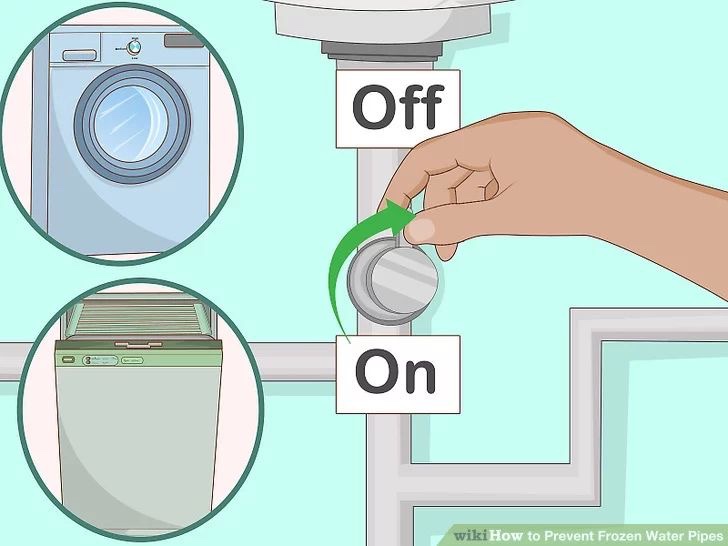
Shit water off to prevent water damage in case a pipe bursts How to thaw out pipes
How can you tell if your pipes are frozen? If you turn on the bathroom or kitchen faucet and see only a few drops or a trickle of water, this could indicate that water inside the pipes has frozen – preventing a free flow. But don’t panic. You may be more equipped to deal with the situation than you think. Here’s a quick lesson on how to thaw a frozen pipe.
Step 1. Turn on the faucet
Keep it running. Allowing the faucet to drip even slightly can help prevent a pipe from bursting. It’s simple – when freezing takes place, extreme pressure builds between the faucet and the ice blockage. An open faucet relieves this pressure buildup, in turn preventing a burst from occurring.
Step 2. Apply heat to the frozen area, thermal energy promotes drying.
Slowly apply heat using a hair dryer. There are several ways to do this. You can wrap the pipes in thermostatically controlled heat tape, or you can use an external heat source such as a hair dryer or space heater. Do not use a propane torch as this can damage the pipe and present a fire risk.
If you decide to use a hair dryer, begin directing air close to the faucet end of the pipe and gradually move toward the coldest section. Be careful not to overheat the hair dryer or blow a fuse. Remember, the faucet should be left on while heat is being applied.
Step 3. Continue to apply heat
Don’t stop heating until full water pressure is restored. Even then, it’s a good idea to leave the faucet open for a few minutes after the pipe is thawed. This will give the ice time to completely clear from the line.
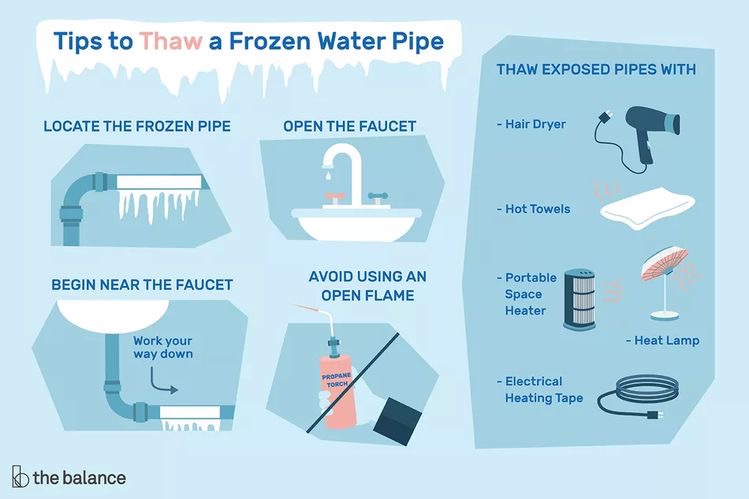
Ways to thaw frozen pipes Step 4. Check all faucets and prevent pipes from freezing in the future
Check each faucet in your home for any other frozen pipes. One frozen pipe may mean that others have been affected as well.
If the problem persists, contact a plumber. You can prevent pipes from freezing again by taking a few simple steps:
Before traveling, keep the temperature in your home above freezing and turn off all the water to your house.
Be sure to keep all water pipes, especially those close to outside walls, insulated with foam rubber or heating cable.
Keep cabinet doors open to allow air to circulate.
Let your faucets drip cold water – it is harder for a pipe to freeze even if there is a trickle of water flowing through. In order to not waste water, you can collect the drops and reuse it, possibly for cleaning or watering plants.
How long does it take for pipes to unfreeze?
Using any of the handful of methods on how to thaw frozen pipes will typically take about 30 minutes. This can vary depending on the weather, how long the pipe has been frozen and where the pipe is located. Any of these factors can cause the thawing process to take longer.2
And remember, a frozen pipe isn’t the only issue that comes with cold weather. Find out other ways to protect your home during the winter.
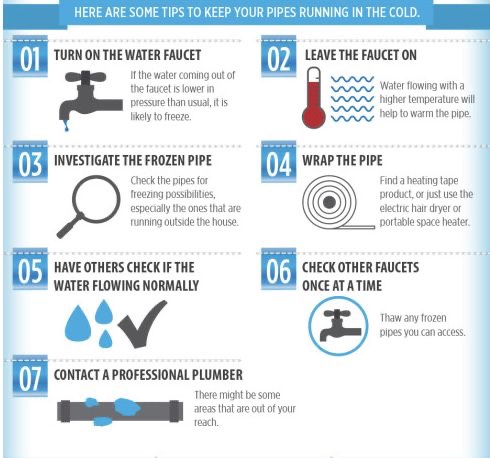
Ways to prevent frozen pipes Quick tip on drying if you have a pipe burst, find out the GPP (grains per pound) inside your home and then outside, you can do this by purchasing a thermometer hydrometer. If the gpp is lower outside than inside, then you can dry your home with what is known in the water damage restoration industry as “an open drying system. Click to check out our mold damage prevention tips there is more tips on how to dry a house out after water damage without water damage restoration equipment.
-
Water Damage Mitigation Company In Richmond KY Call (859)302-2702 For Emergency Extraction
Water may be essential to human life, but not for a home. Water damage can cause all kinds of a headache for homeowners, both immediately after the damage occurs and in the long run. From floods to leaky faucets, water damage is a serious pain and can cause significant health and safety issues.
The damage may be imperceptibly slow and minor such as water spots that could eventually mar a surface, or it may be instantaneous and catastrophic such as burst pipes and flooding. However fast it occurs, water damage is a major contributor to loss of property.
An insurance policy may or may not cover the costs associated with water damage and the process of water damage restoration. While a common cause of residential water damage is often the failure of a sump pump, many homeowner’s insurance policies do not cover the associated costs without an addendum which adds to the monthly premium of the policy. Often the verbiage of this addendum is similar to “Sewer and Drain Coverage”.
Water damage restoration can be performed by property management teams, building maintenance personnel, or by the homeowners themselves; however, contacting a certified professional water damage restoration specialist is often regarded as the safest way to restore water damaged property. Certified professional water damage restoration specialists utilize psychrometrics to monitor the drying process.
Give us a call at (859)302-2702
-
Sewage Overflow Cleanup
Sewage mainly contains human feces and urine that contains viruses, bacteria, and other contaminants that can cause ailments. These include rotavirus, adenoviruses, norovirus, diarrhea, cramping, vomiting, throat, nose, and eye infections.
Cleaning the sewer backup yourself could lead to hazardous activity and result in improper remediation activities and more significant problems. So, you may opt to go for our professional water damage restoration company. Without technical assistance, you may likely spread the contaminated sewer problem from one room to other rooms.
Our professional team of experts is better suited and knowledgeable in the finest ways to clean up sewage at minimum risk. We will ensure a successful restoration of your property and help you avoid any health hazards.Odors that come from sewage backups are unpleasant, and you may want to get rid of them. Bleach is a widespread solution for most people and should be avoided as it is a poor solution for sewer backups. More harm may be caused by bleach as it can react with other substances are in the sewer pipes and potentially release harmful fumes.
The first thing we will do when we arrive to your home or business is a walk through. From there we will set up a recovery plan with you, and once we get the “O.K” we will bring in the rest of the team. Here at Express Damage Restoration, we can service any industrial, commercial, or residential property. Whether it is a miniscule water problem in your home or a large flood on your commercial property, we can get it taken care of in no time. We have the skills and expertise to get the job done right, and on the first trip. When you have undergone water damage to your property, we know that it can be very stressful. Luckily for you, we will work alongside you the whole time to ensure that you are happy and satisfied with the work we are doing on your home or business in Lexington, Kentucky . If that means working around the clock to ensure you are completely happy with what we do on your home or business, than that is what we will do. Direct insurance billing and authorized to work in FEMAFEMA declared disasters from flooding, hurricanes, tornadoes and fires.
Water damage restoration services to clean up your property in Lexington, Kentucky for small or large scale flooding disasters. We cleanup sewer disaster quickly, our certified techs respond quick to your property and handle both commercial and residential losses. We are one of the Lexington, Kentucky areas leading disaster recovery contractors. Specializing in mitigation and structure dry down following storms, flash flooding, broken pipes and sewer backups. Call us now for 24/7 professional water damage restoration service
Lexington Kentucky Water Damage Restoration and Sewage Cleanup Company
Water damage to a property can happen for a multitude of reasons: faulty plumbing systems, adverse weather, and leaky pipes are just a couple of examples. Suffering water damage can be devastating to any home or business owner. When you have undergone severe damage to your property, you need the help of professionals to restore and rebuild. That is where the Pros come in. Express Damage Restoration of Lexington, Kentucky have extensive experience in the field of water damage repairs and restoration, and want to help you in your time of need. Here at the restoration service pros, we know that a disaster can happen any time; during the day, night, on a holiday or even on the weekend. That is why we are available for your call 24 hours a day, 7 days a week, and 365 days a year for your convenience.
27,952 2 17.6 sq mi (45.6 km2) 1797 Henderson Heritage Creek[a 1] 1,076 5 0.4 sq mi (1.0 km2) Jefferson Hickman 2,395 4 3.6 sq mi (9.3 km2) Fulton Hickory Hill 114 6 0.1 sq mi (0.3 km2) Jefferson Highland Heights 6,923 4 2.6 sq mi (6.7 km2) 1867 Campbell Hills and Dales 142 6 0.1 sq mi (0.3 km2) Jefferson Hillview 8,172 4 3.3 sq mi (8.5 km2) 1974 Bullitt Hindman 777 5 3.1 sq mi (8.0 km2) 1884 Knott Hodgenville 3,206 4 2.1 sq mi (5.4 km2) 1818 Larue Hollow Creek 783 5 0.2 sq mi (0.5 km2) Jefferson Hollyvilla 537 6 0.3 sq mi (0.8 km2) Jefferson Hopkinsville 31,577 2 30.8 sq mi (79.8 km2) 1799 Christian Horse Cave 2,311 4 2.7 sq mi (7.0 km2) 1864 Hart Houston Acres 507 6 0.1 sq mi (0.3 km2) Jefferson Hunters Hollow 386 6 0.1 sq mi (0.3 km2) Bullitt Hurstbourne 4,216 4 1.8 sq mi (4.7 km2) 1982 Jefferson Hurstbourne Acres 1,811 5 0.3 sq mi (0.8 km2) Jefferson Hustonville 405 5 1.0 sq mi (2.6 km2) Lincoln Hyden 365 6 1.3 sq mi (3.4 km2) 1878 Leslie Independence 24,757 3 17.7 sq mi (45.8 km2) 1842 Kenton Indian Hills 2,868 4 2.0 sq mi (5.2 km2) 1999 Jefferson Inez 717 6 1.7 sq mi (4.4 km2) 1874 Martin Irvine 2,715 4 1.5 sq mi (3.9 km2) 1812 Estill Irvington 1,181 5 0.9 sq mi (2.3 km2) Breckinridge Island 458 6 0.3 sq mi (0.8 km2) McLean Jackson 2,244 4 2.7 sq mi (7.0 km2) 1839 Breathitt Jamestown 1,794 5 3.0 sq mi (7.8 km2) 1827 Russell Jeffersontown 26,595 2 10.0 sq mi (25.9 km2) 1797 Jefferson Jeffersonville 1,506 5 2.5 sq mi (6.5 km2) Montgomery Jenkins 2,203 4 7.7 sq mi (19.9 km2) Letcher Junction City 2,241 4 1.8 sq mi (4.7 km2) Boyle Kenton Vale 110 6 0.1 sq mi (0.3 km2) Kenton Kevil 376 6 0.4 sq mi (1.0 km2) Ballard Kingsley 381 6 0.1 sq mi (0.3 km2) Jefferson Kuttawa 649 5 2.7 sq mi (7.0 km2) Lyon La Center 1,009 5 0.6 sq mi (1.6 km2) Ballard La Grange 8,082 4 7.1 sq mi (18.4 km2) 1827 Oldham LaFayette 165 6 0.2 sq mi (0.5 km2) Christian Lakeside Park 2,668 5 0.8 sq mi (2.1 km2) 1930 Kenton Lakeview Heights 185 6 0.1 sq mi (0.3 km2) Rowan Lancaster 3,442 4 1.9 sq mi (4.9 km2) 1797 Garrard Langdon Place 936 6 0.2 sq mi (0.5 km2) Jefferson Lawrenceburg 10,505 4 5.9 sq mi (15.3 km2) 1820 Anderson Lebanon 6,331 4 5.3 sq mi (13.7 km2) 1814 Marion Lebanon Junction 1,813 5 5.7 sq mi (14.8 km2) Bullitt Leitchfield 6,699 4 10.9 sq mi (28.2 km2) 1810 Grayson Lewisburg 810 5 1.2 sq mi (3.1 km2) Logan Lewisport 1,670 5 1.0 sq mi (2.6 km2) Hancock Lexington 295,803 2 285.6 sq mi (739.7 km2) 1790 Fayette Liberty 2,168 5 1.9 sq mi (4.9 km2) 1808 Casey Lincolnshire 148 6 0.1 sq mi (0.3 km2) Jefferson Livermore 1,365 5 1.0 sq mi (2.6 km2) McLean Livingston 226 6 0.3 sq mi (0.8 km2) Rockcastle London 7,993 4 10.3 sq mi (26.7 km2) 1825 Laurel Loretto 713 6 3.2 sq mi (8.3 km2) Marion Louisa 2,467 5 1.6 sq mi (4.1 km2) 1818 Lawrence Louisville[a 2] 597,337 1 342.2 sq mi (886.3 km2) 1778 Jefferson Loyall 1,461 5 1.4 sq mi (3.6 km2) Harlan Ludlow 4,407 4 1.2 sq mi (3.1 km2) 1864 Kenton Lynch 747 5 0.3 sq mi (0.8 km2) 1917 Harlan Lyndon 11,002 4 3.6 sq mi (9.3 km2) 1871 Jefferson Lynnview 914 5 0.2 sq mi (0.5 km2) Jefferson McHenry 388 6 0.7 sq mi (1.8 km2) Ohio McKee 800 5 2.3 sq mi (6.0 km2) Jackson Mackville 222 6 0.4 sq mi (1.0 km2) Washington Madisonville 19,591 4 18.7 sq mi (48.4 km2) 1807 Hopkins Manchester 1,255 4 1.5 sq mi (3.9 km2) 1807 Clay Manor Creek 140 6 0.1 sq mi (0.3 km2) Jefferson Marion 3,039 4 3.4 sq mi (8.8 km2) 1842 Crittenden Martin 634 4 0.7 sq mi (1.8 km2) Floyd Maryhill Estates 179 6 0.1 sq mi (0.3 km2) Jefferson Mayfield 10,024 3 10.4 sq mi (26.9 km2) 1823 Graves Maysville 9,011 3 21.4 sq mi (55.4 km2) 1787 Mason Meadow Vale 736 5 0.2 sq mi (0.5 km2) Jefferson Meadowbrook Farm 136 6 0.1 sq mi (0.3 km2) Jefferson Meadowview Estates 363 6 0.1 sq mi (0.3 km2) Jefferson Melbourne 401 6 0.8 sq mi (2.1 km2) Campbell Mentor 193 6 0.7 sq mi (1.8 km2) Campbell Middlesborough 10,334 3 7.6 sq mi (19.7 km2) 1890 Bell Middletown 7,218 4 5.1 sq mi (13.2 km2) 1797 Jefferson Midway 1,641 4 1.1 sq mi (2.8 km2) Woodford Millersburg 792 5 0.4 sq mi (1.0 km2) Bourbon Milton 593 6 1.3 sq mi (3.4 km2) Trimble Mockingbird Valley 167 6 0.2 sq mi (0.5 km2) Jefferson Monterey 138 6 0.3 sq mi (0.8 km2) Owen Monticello 6,188 4 5.9 sq mi (15.3 km2) 1800 Wayne Moorland 431 6 0.1 sq mi (0.3 km2) Jefferson Morehead 6,845 4 9.5 sq mi (24.6 km2) 1856 Rowan Morganfield 3,285 4 3.0 sq mi (7.8 km2) 1870 Union Morgantown 2,394 5 2.4 sq mi (6.2 km2) 1811 Butler Mortons Gap 863 5 1.2 sq mi (3.1 km2) Hopkins Mount Olivet 299 5 0.4 sq mi (1.0 km2) 1851 Robertson Mount Sterling 6,895 4 4.4 sq mi (11.4 km2) 1792 Montgomery Mount Vernon 2,477 5 1.7 sq mi (4.4 km2) 1790 Rockcastle Mount Washington 9,117 4 6.1 sq mi (15.8 km2) 1822 Bullitt Muldraugh 947 5 0.6 sq mi (1.6 km2) Meade Munfordville 1,615 5 2.3 sq mi (6.0 km2) 1816 Hart Murray 17,741 3 11.3 sq mi (29.3 km2) 1844 Calloway Murray Hill 582 6 0.1 sq mi (0.3 km2) Jefferson Nebo 236 6 0.3 sq mi (0.8 km2) Hopkins New Castle 912 5 0.4 sq mi (1.0 km2) 1798 Henry New Haven 855 6 0.6 sq mi (1.6 km2) Nelson Newport 15,273 2 3.0 sq mi (7.8 km2) 1794 Campbell Nicholasville 28,015 3 13.1 sq mi (33.9 km2) 1812 Jessamine Norbourne Estates 441 6 0.1 sq mi (0.3 km2) Jefferson North Middletown 643 5 0.3 sq mi (0.8 km2) Bourbon Northfield 1,020 5 0.5 sq mi (1.3 km2) Jefferson Nortonville 1,204 5 1.1 sq mi (2.8 km2) Hopkins Norwood 370 6 0.1 sq mi (0.3 km2) Jefferson Oak Grove 7,489 4 10.8 sq mi (28.0 km2) 1828 Christian Oakland 225 6 1.4 sq mi (3.6 km2) Warren Old Brownsboro Place 353 6 0.1 sq mi (0.3 km2) Jefferson Olive Hill 1,599 4 1.8 sq mi (4.7 km2) 1861 Carter Orchard Grass Hills 1,595 5 0.4 sq mi (1.0 km2) Oldham Owensboro 57,265 2 20.4 sq mi (52.8 km2) 1816 Daviess Owenton 1,327 5 1.1 sq mi (2.8 km2) 1822 Owen Owingsville 1,530 4 2.4 sq mi (6.2 km2) 1829 Bath Paducah 25,024 2 20.0 sq mi (51.8 km2) 1830 McCracken Paintsville 3,459 4 2.8 sq mi (7.3 km2) 1834 Johnson Paris 8,553 3 6.0 sq mi (15.5 km2) 1789 Bourbon Park City 537 5 1.5 sq mi (3.9 km2) Barren Park Hills 2,970 4 0.8 sq mi (2.1 km2) 1927 Kenton Parkway Village 650 6 0.1 sq mi (0.3 km2) Jefferson Pembroke 869 6 1.1 sq mi (2.8 km2) Christian Perryville 751 5 0.8 sq mi (2.1 km2) Boyle Pewee Valley 1,456 5 2.0 sq mi (5.2 km2) Oldham Pikeville 6,903 4 21.1 sq mi (54.6 km2) 1823 Pike Pineville 1,732 4 1.7 sq mi (4.4 km2) 1781 Bell Pioneer Village 2,030 4 0.7 sq mi (1.8 km2) Bullitt Pippa Passes 533 6 0.5 sq mi (1.3 km2) Knott Plantation 832 5 0.2 sq mi (0.5 km2) Jefferson Pleasureville 834 6 0.5 sq mi (1.3 km2) Henry
ShelbyPlum Springs 453 6 0.3 sq mi (0.8 km2) Warren Poplar Hills 362 6 0.1 sq mi (0.3 km2) Jefferson Powderly 745 5 1.6 sq mi (4.1 km2) Muhlenberg Prestonsburg 3,255 4 12.9 sq mi (33.4 km2) 1797 Floyd Prestonville 161 6 0.2 sq mi (0.5 km2) Carroll Princeton 6,329 4 9.0 sq mi (23.3 km2) 1817 Caldwell Prospect 4,698 3 3.9 sq mi (10.1 km2) 1974[3] Jefferson
OldhamProvidence 3,193 4 6.1 sq mi (15.8 km2) 1828 Webster Raceland 2,424 5 2.5 sq mi (6.5 km2) Greenup Radcliff 21,688 2 12.4 sq mi (32.1 km2) 1919 Hardin Ravenna 605 5 0.3 sq mi (0.8 km2) Estill Raywick 134 6 0.9 sq mi (2.3 km2) Marion Richlawn 405 6 0.1 sq mi (0.3 km2) Jefferson Richmond 31,364 2 23.1 sq mi (59.8 km2) 1798 Madison River Bluff 403 6 0.2 sq mi (0.5 km2) Oldham Riverwood 446 6 0.2 sq mi (0.5 km2) Jefferson Robards 515 6 3.0 sq mi (7.8 km2) Henderson Rochester 152 6 0.5 sq mi (1.3 km2) Butler Rockport 266 6 0.7 sq mi (1.8 km2) Ohio Rolling Fields 646 6 0.2 sq mi (0.5 km2) Jefferson Rolling Hills 959 5 0.2 sq mi (0.5 km2) Jefferson Russell 3,380 4 3.0 sq mi (7.8 km2) 1869 Greenup Russell Springs 2,441 5 4.5 sq mi (11.7 km2) Russell Russellville 6,947 4 10.8 sq mi (28.0 km2) 1798 Logan Ryland Heights 1,022 6 5.3 sq mi (13.7 km2) Kenton Sacramento 468 6 0.4 sq mi (1.0 km2) McLean Sadieville 303 5 1.1 sq mi (2.8 km2) Scott St. Charles 277 6 1.0 sq mi (2.6 km2) Hopkins St. Matthews 17,472 4 4.3 sq mi (11.1 km2) 1800 Jefferson St. Regis Park 1,454 4 0.4 sq mi (1.0 km2) Jefferson Salem 752 6 0.9 sq mi (2.3 km2) Livingston Salt Lick 303 6 0.8 sq mi (2.1 km2) Bath Salyersville 1,883 4 2.5 sq mi (6.5 km2) 1861 Magoffin Sanders 238 6 0.3 sq mi (0.8 km2) Carroll Sandy Hook 675 5 1.0 sq mi (2.6 km2) 1869 Elliott Sardis 103 6 1.0 sq mi (2.6 km2) Mason
RobertsonScience Hill 693 6 0.6 sq mi (1.6 km2) Pulaski Scottsville 4,226 4 5.7 sq mi (14.8 km2) 1816 Allen Sebree 1,603 5 2.9 sq mi (7.5 km2) Webster Seneca Gardens 696 6 0.2 sq mi (0.5 km2) Jefferson Sharpsburg 323 6 0.2 sq mi (0.5 km2) Bath Shelbyville 14,045 4 8.2 sq mi (21.2 km2) 1792 Shelby Shepherdsville 11,222 4 10.0 sq mi (25.9 km2) 1793 Bullitt Shively 15,264 3 4.6 sq mi (11.9 km2) 1831 Jefferson Silver Grove 1,102 5 1.7 sq mi (4.4 km2) Campbell Simpsonville 2,484 5 2.2 sq mi (5.7 km2) Shelby Slaughters 216 6 0.2 sq mi (0.5 km2) Webster Smithfield 106 6 0.1 sq mi (0.3 km2) Henry Smithland 301 6 0.5 sq mi (1.3 km2) 1805 Livingston Smiths Grove 714 5 0.8 sq mi (2.1 km2) Warren Somerset 11,196 3 11.3 sq mi (29.3 km2) 1801 Pulaski Sonora 513 6 1.1 sq mi (2.8 km2) Hardin South Carrollton 184 6 0.3 sq mi (0.8 km2) Muhlenberg South Park View 7 6 0.1 sq mi (0.3 km2) Jefferson South Shore 1,122 5 0.9 sq mi (2.3 km2) Greenup Southgate 3,803 4 1.4 sq mi (3.6 km2) 1907 Campbell Sparta 231 6 5.9 sq mi (15.3 km2) Gallatin
OwenSpring Mill 287 6 0.1 sq mi (0.3 km2) Jefferson Spring Valley 654 6 0.2 sq mi (0.5 km2) Jefferson Springfield 2,519 4 3.7 sq mi (9.6 km2) 1793 Washington Stamping Ground 643 6 0.4 sq mi (1.0 km2) Scott Stanford 3,487 4 3.1 sq mi (8.0 km2) 1786 Lincoln Stanton 2,733 4 2.1 sq mi (5.4 km2) 1854 Powell Strathmoor Manor 337 6 0.1 sq mi (0.3 km2) Jefferson Strathmoor Village 648 6 0.1 sq mi (0.3 km2) Jefferson Sturgis 1,898 4 1.6 sq mi (4.1 km2) Union Sycamore 160 6 0.1 sq mi (0.3 km2) Jefferson Taylor Mill 6,604 4 6.3 sq mi (16.3 km2) 1810 Kenton Taylorsville 763 5 0.3 sq mi (0.8 km2) 1790 Spencer Ten Broeck 103 6 0.2 sq mi (0.5 km2) Jefferson Thornhill 178 6 0.1 sq mi (0.3 km2) Jefferson Tompkinsville 2,402 5 3.6 sq mi (9.3 km2) 1809 Monroe Trenton 384 6 0.6 sq mi (1.6 km2) Todd Union 5,379 4 3.3 sq mi (8.5 km2) Boone Uniontown 1,002 5 0.9 sq mi (2.3 km2) Union Upton 683 6 1.4 sq mi (3.6 km2) Hardin
LarueVanceburg 1,518 4 1.3 sq mi (3.4 km2) 1827 Lewis Versailles 8,568 4 4.4 sq mi (11.4 km2) 1792 Woodford Vicco 334 6 0.8 sq mi (2.1 km2) Perry Villa Hills 7,489 4 4.4 sq mi (11.4 km2) 1921 Kenton Vine Grove 4,520 4 4.7 sq mi (12.2 km2) 1850 Hardin Wallins Creek 156 6 0.3 sq mi (0.8 km2) Harlan Walton 3,635 5 4.3 sq mi (11.1 km2) Boone
KentonWarfield 269 6 0.8 sq mi (2.1 km2) Martin Warsaw 1,615 4 0.7 sq mi (1.8 km2) 1798 Gallatin Water Valley 279 6 0.6 sq mi (1.6 km2) Graves Watterson Park 976 5 1.4 sq mi (3.6 km2) Jefferson Waverly 308 6 0.3 sq mi (0.8 km2) Union Wayland 426 6 2.6 sq mi (6.7 km2) Floyd Wellington 565 6 0.1 sq mi (0.3 km2) Jefferson West Buechel 1,230 5 0.6 sq mi (1.6 km2) Jefferson West Liberty 3,435 4 4.4 sq mi (11.4 km2) 1816 Morgan West Point 797 5 0.6 sq mi (1.6 km2) Hardin Westwood 634 6 0.1 sq mi (0.3 km2) Jefferson Wheatcroft 160 6 0.3 sq mi (0.8 km2) Webster Wheelwright 780 6 1.8 sq mi (4.7 km2) Floyd White Plains 884 5 3.2 sq mi (8.3 km2) Hopkins Whitesburg 2,139 4 3.2 sq mi (8.3 km2) 1842 Letcher Whitesville 552 6 0.4 sq mi (1.0 km2) Daviess Whitley City 1,170 CDP 2.3 sq mi (6.0 km2) 1902 McCreary Wickliffe 688 5 1.1 sq mi (2.8 km2) 1880 Ballard Wilder 3,035 5 3.8 sq mi (9.8 km2) Campbell Wildwood 261 6 0.1 sq mi (0.3 km2) Jefferson Williamsburg 5,245 4 4.9 sq mi (12.7 km2) 1819 Whitley Williamstown 3,925 5 17.0 sq mi (44.0 km2) 1820 Grant
PendletonWillisburg 282 6 0.7 sq mi (1.8 km2) Washington Wilmore 6,134 4 0.9 sq mi (2.3 km2) Jessamine Winchester 18,368 3 7.9 sq mi (20.5 km2) 1792 Clark Windy Hills 2,385 5 0.9 sq mi (2.3 km2) Jefferson Wingo 632 6 1.0 sq mi (2.6 km2) Graves Woodburn 355 6 0.4 sq mi (1.0 km2) Warren Woodbury 90 6 0.1 sq mi (0.3 km2) Butler Woodland Hills 696 6 0.2 sq mi (0.5 km2) Jefferson Woodlawn 229 6 0.1 sq mi (0.3 km2) Campbell Woodlawn Park 942 5 0.3 sq mi (0.8 km2) Jefferson Worthington 1,609 5 1.2 sq mi (3.1 km2) Greenup Worthington Hills 1,446 6 0.3 sq mi (0.8 km2) Jefferson Worthville 185 6 0.3 sq mi (0.8 km2) Carroll Wurtland
-
Mayfield Ky, water damage restoration company
Water Damage
Whether you have a flood or an unexpected leak, we fully understand the urgency of getting the water out as soon as possible. That’s why we offer 24 hour emergency water damage response – because the sooner you get the water out, the less flood damage you’ll likely incur. Experts say that the worst water damage occurs when water has been standing for more than 48 hours, which means timing is everything when a flood occurs.
Water Extraction
When you need emergency water extraction, you can call (859)302-2702 24 hours a day, 7 days a week to get a certified water damage technician to start the water damage extraction process right away! Our water extraction service is first rate. We only use state-of-the-art equipment and techniques to get the water out – now! Serious water damage, such as with a flood, requires serious attention to ensure that not only is all of the water extracted, but also that all of wet areas are dried completely and treated quickly to minimize lasting water damage effects. If the water extraction is not performed quickly, the water damages to your property could become very severe!
Water Damage Extraction
We understand the need to keep your water damage restoration companies cost as low as possible. Therefore we make sure the extraction of water is performed in a timely manner. This will greatly minimize your restorative costs and reduce your chances of developing a mold problem. It is imperative that furniture and carpet is treated right away to decrease the opportunity for microbial growth to occur. Personal property also has a greater chance of surviving the flood if it is attended to right away. Most importantly, however, all electrical components that may have been soaked by water MUST be attended to right away to avoid the potential for dangerous electrical short circuits.
Flood Water Extraction
Forget about the other water extraction companies; when you need flood water extraction done right and done now, there is only one number you need to call 859-302-2702.Express Damage Restoration has technicians ready to be at your door within an hour – give us a call today.
Fallen trees are very serious problems, particularly if they fall on your home or vehicle. The first thing to do after a tree falls is to assess the safety of the situation. Get out of the home until it has been evaluated for safety. Call your insurance company right away to open the claim, then call Express Damage Restoration. We are here 24/7 to take your call, and will help you protect your home and ensure the safety of your family. If you can do so safely, take pictures of the damage to help with your insurance claim while you wait for your contractor to arrive.
Water Damage Insurance Claim Tips
- July 27, 2020
- 8 min read
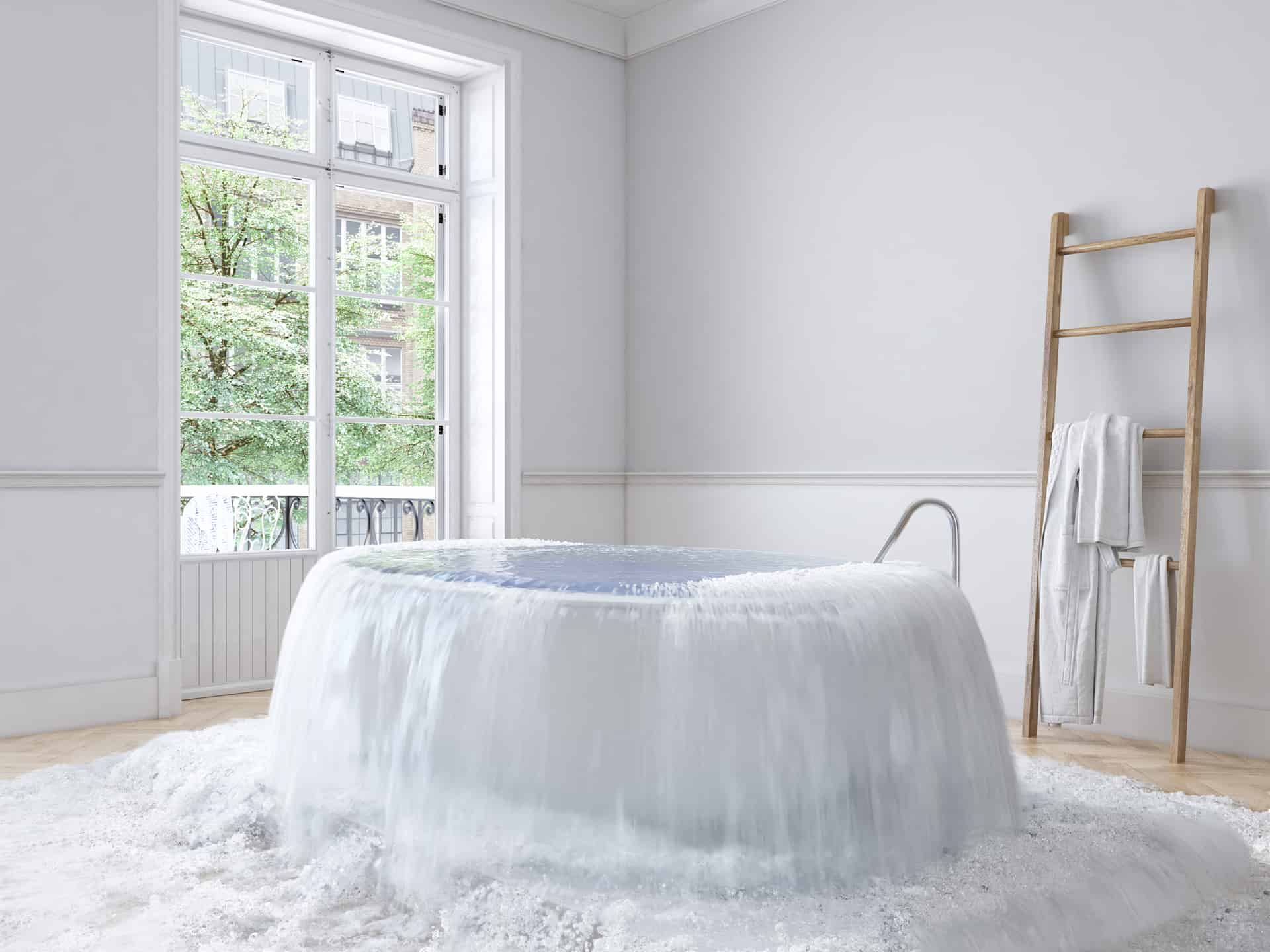
Water Damage Insurance Claim Tips and ProcessWater damage inside the home is the most common insurance claim made on homeowner insurance policies, but many homeowners are surprised when they find that some of the cost is not covered. It is imperative that you understand water damage and how home insurance companies respond to it.
Understand the Insurance Claims Process
Every claim has unique circumstances, but the following steps will give you a good idea of what happens when filing an insurance claim.Step 1: Contact Your Insurance Company to File a Water Damage Claim
The homeowners insurance claims process begins when you make your insurer aware of your water damage. Contact them via their, phone, or their app as soon as possible, then fill out the necessary claims forms.Step 2: Meet with the Adjuster
The required timelines for adjusters vary by State. Most often, the claim adjuster is legally required to assess damages within a 15-day time frame of when you report them. Check with your state insurance department since each State has different laws.Step 3: Get a Claim Verdict
After assessing the damage to your home, the claims adjuster typically has another 15 days to decide whether you have a valid water damage claim. During this waiting period of the insurance claim process, you can look for vendors to use and get estimates for the work.Step 4: Negotiate
If you are unhappy with the verdict or feel they should have covered the cost of something they have not included in the claim, you can negotiate with your property insurance company for a larger settlement.Step 5: Agree on Terms
If all goes well, you and your insurer should be agreeing on the terms of the settlement. Once this happens, the funds are supposed to get transferred to you within five days.If the insurer decides not to cover water damage expenses or covered losses are not taken care of, you can file a complaint or appeal with your State’s department of insurance.
Causes of Water Damage
The coverage each policy provides for water damage varies between insurers. We have listed a few causes of water damage that are most common below. Check your policy to know what it covers.- Floods
- Sewer Backup
- Storm-related Damage
- Sudden or accidental discharge
- Overflow
- Clogged Toilets
- Overflowing Washing Machines
- Leaky Dishwashers
- Broken Dishwasher Hoses
- Leaky Roofs
- Foundation Cracks
- Plumbing Leaks
- Broken Pipes
- Heavy Rain
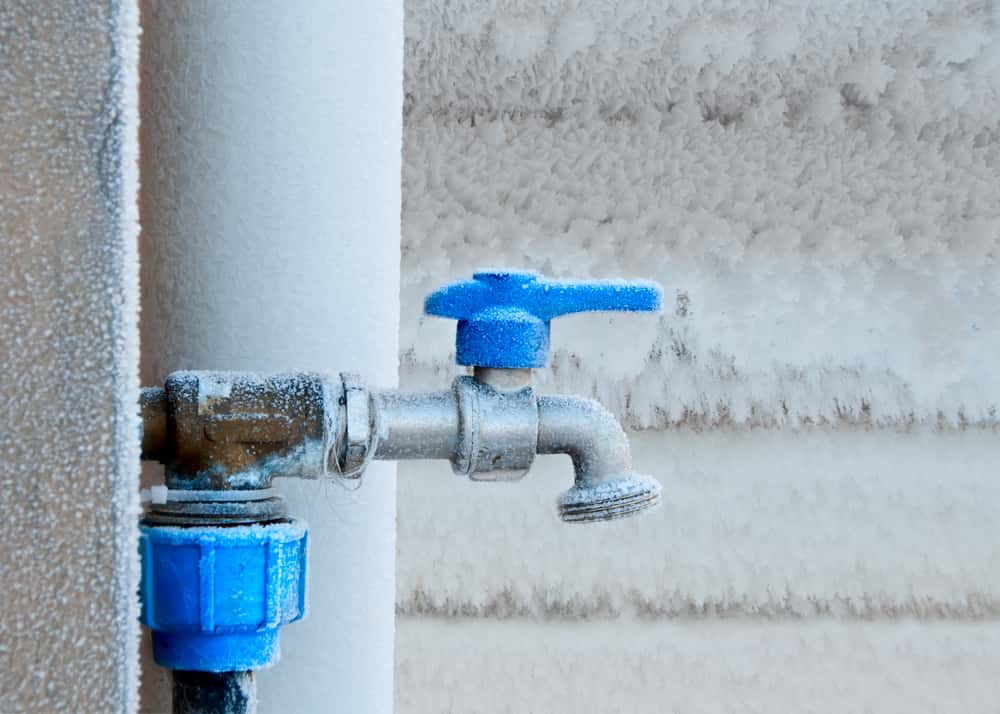 Types of Water Damage
Water can wreak havoc on numerous things in your home and to your home’s structural components, including:
- Mold Growth
- Water-Soaked Clothing, Carpets, Furniture, and Rugs
- Peeling Paint and Wallpaper
- Damage to Wood Furniture, Upholstery, Electronics, Household Appliances, and Plumbing Equipment
- Slab Leaks
Learn How Your Policy Covers Water Damage
If you want to know how to maximize a water damage claim, you must first understand how your home insurance policy covers water damage. It will specify what it does and does not cover, so be sure to take a good look to know if you are or are not protected. The following are some damages that insurance covers and some that insurance does not cover.Covered Water Damage
A few damages that are typically covered include:- Water damage due to weather if water enters your home from above ground, such as a tree breaking a window during a rainstorm
- Sudden or accidental discharge from a specific event, such as a burst pipe
- Overflow due to faulty appliances, such as a washing machine
Water Damage that Insurance Excludes
Some general damages not covered by your standard homeowners insurance or renters insurance policy include:- Flood damage claims- these require a separate policy from NFIP or Private Flood Companies.
- Sewer backup, but it can be added (not the same as Water Overflow).
- The gradual deterioration that you could have prevented with routine maintenance, such as leaky pipes or a leaking roof.
Water Damage Insuranced Claim Tips
When dealing with in-home water damage, there are several steps you can take to maximize your chances for approval and payout of your claim.Take Preventative Measures
Insurance companies never pay for regular wear and tear or preventable damage when that is the only damage you have or what caused it. Always take care of any routine maintenance and make repairs as soon as you know that they are needed to decrease your liability. Keep records of all of this so that you can show damage is not due to neglect.Control the Damage
Once you notice a leak or damage, protect your home from any further damage. Damage control may include soaking up additional water, turning off the water at the source, or other steps. You will most likely not get your claim approved if you do not mitigate any further damage.Document the Damages
The best resource you can have when filing a water damage claim is proper documentation. Take clear photos and videos of any damage you find.Also, keep copies of any bills you get for the damage as well as receipts. You will need all of this when filling out your proof of loss document. If the damages occurred during a robbery or other illegal activity, be sure that you have a copy of the police report to give your insurance company.
Report Damage Quickly
You mustn’t wait to call your insurance agent. Report the damage as soon as possible. If you wait to contact your insurer, you might miss deadlines or even impact how quickly you receive your water damage insurance claim payout.Hire Your Own Public Adjuster
Your home insurance company will send an adjuster to assess the damage and determine how much you should receive, but you do not have to rely on their people. Instead, consider hiring a public water claim adjuster. A will typically provide the most honest, unbiased assessment.Get Estimates
You should also investigate estimates yourself. If you need to hire professional cleaners, contractors, or anyone else, call around and get a few estimates yourself.Negotiate
Use the estimates you received and the reports from the outside insurance adjuster to negotiate a settlement. Remember, though, that if you find additional damages after you receive your insurance check, you can renegotiate to have the new expenses covered.Use All of Your Insurance Coverage
If you know your policy, you can take advantage of all the coverage it offers. For instance, if your home is inhabitable due to the water damage, you need to know whether your policy covers your stay elsewhere. Your policy calls this. If included, how much does it cover?Another example is food. If you must eat out while repairs get done, your insurance policy will likely cover the extra costs of your meals or at least a part of them. Most cover the difference in what you would typically spend a week on food and what you must pay for eating at restaurants during your repairs.
If, for example, you usually spend $200 a week on groceries but must pay $300 on meals out, most policies will reimburse that $100 difference. Be sure that you know what additional living expenses are covered so that you can use all available options.
What Not to Do Before Your Claim Is ApprovedThere are plenty of things you need to do before you file damage claims, but there are also several things you need to avoid.
- Do not lose your cool with your insurance company at any time during the process. Be firm, stand your ground, use your adjusters to make your case, but stay calm.
- Do not throw damaged items or anything related to the damage away. Until your claim gets settled, all damaged items need to stay put. Otherwise, you might receive a lower settlement because the insurer may not include those items in the claim. After your insurance claim gets settled, you can replace the items.
- Do not make repairs. It is normal to want to jump in and get your life back on track, but making repairs before getting approval from the insurance company, preferably in writing, could mean not getting those costs covered. Only do what is necessary to prevent further damage. Everything else needs to wait.
- Do not automatically accept your insurance company’s vendors or services. It is essential to understand that insurers want to save money as best they can, so they make deals with vendors that can provide them with a low cost. Using them might lead to a biased assessment and low-quality work or supplies. It is best to have your own estimates and vendors.
- Do not call it a “flood.” When filing a claim, be specific about what the damage is. It is common to say something like, “My house is flooded,” but it is not a good idea. Most standard home insurance policies (HO-3) exclude coverage for floodwaters, so using the term “flood” or “flooding” might provoke a denied homeowners insurance claim. Instead, say that you have a burst pipe or a broken pipe, that you have standing water, or whatever happened. Mayfield Ky
What to Expect During Water Damage Clean-Up
If you face water damage, you might find yourself in need of mold remediation and a water restoration company. Several are open or on-call 24 hours a day, so you should have no problem finding one. The following are the steps that restoration companies take during the clean-up process.Step 1: Inspection
The restoration company will assess the type of water damage and affected areas to determine what you need.Step 2: https://www.expressdamagerestorationofky.com/flood-damageWater Removal
This company will then use pumps, vacuums, or any other necessary tools to remove any water that could cause mold or bacteria growth. It also includes eliminating black water, which could cause sickness and, in extreme cases, death.Step 3: Drying and Dehumidifying
While pumps and vacuums do a great job, they do not get all the water. This drying process helps to clear the remaining moisture. Depending on the amount of water, this may take hours, days, or weeks.Step 4: Cleaning and Sanitizing
After the water is entirely gone, personal property is cleaned and sanitized. This step includes carpeting, clothing, curtains, and more.Step 5: Restoration
It is now time to begin putting your home back in working order. The water damage restoration step means replacing any damaged materials, such as drywall.
-
Storm Damage Cleanup
AFTER A FLOOD: HOW TO GET THE WATER OUT OF YOUR HOUSE
RECLAIM YOUR WATER DAMAGED HOME
Destructive, widespread floods are regular news stories these days. But, reality is even scarier when our own homes fall victim to the floodwaters—when it’s our own submerged houses that are being shown on the news.
What’s to be done after the flood waters have gone down? What can be done to fix the damage caused to our buildings and belongings?
It can feel overwhelming, for sure. But by following specific steps, and putting in some elbow grease, it is possible to remove the water from your house, repair the damage, and once again live comfortably in your home. Although, we always suggest relying on a professional water damage restoration company to help.
FLOOD WATER DO’S AND DON’TS
- Treat flood water as if it’s contaminated, because there is a good chance it could be.
- Wear waterproof boots and gloves.
- Disinfect all surfaces when flood water has abated.
- Protect cuts on your skin and wash them after contact with flood water.
- Do not keep any food that has come in contact with flood water damage, including canned food.
- Do not touch flood water, unless necessary. If it is necessary, wash hands thoroughly with soap and water.
- Do not let children, seniors or pets come in contact with flood water.
-
HOW TO REMOVE FLOOD WATER FROM A HOUSE
Removing standing flood water from your home is the first priority. Take action by removing water as soon as possible.
There are three ways the average homeowner can remove flood water. The first is with a shop-vac; the second is with a water pump designed to draw in water, and the third is by hand with buckets and containers.
When using a shop-vac, be aware that the filter may need to be removed before employed to suck up flood water. The instruction manual or online instructions will contain this information. Be sure to follow any and all safety instructions on any tool or equipment you use.
CLEAR DRAINAGE AREAS
While the ground around your home may be saturated, it may not take long for the moisture to settle and the ground be again able to receive more water. In preparation, clear your home’s drains. Additionally, if there is standing water around your foundation, create channels for this water to run away from the house and into nearby sewage systems.
Flood water can deposit leaves, dirt, and garbage into gutters along the street. Be proactive about removing this debris to free gutters to drain water. Unblocked gutters will expedite the movement of water into sewers and drains.
GETTING YOUR HOUSE DRIED OUT
When all flood water has been sucked out, bailed out, and mopped up, the task of drying out the house begins.
Harness the power of the sun. Take as many items as possible outside and allow the sun’s rays to dry them. Open windows and doors to allow moisture to escape and fresh, drying air to enter.
Run a dehumidifier. Most people employ as many fans as they can find to help dry the house. Position fans to point toward windows and doors so that moist air is drawn outside. Run ceiling fans simultaneously to circulate air and help the drying process. When it comes to properly drying a space after water intrusion, you should contact the professionals – since water might still be present in places not visible to the eye.
FIND AREAS OF TRAPPED MUD OR WATER
There may be hidden areas in your home where mud or water is trapped. Be diligent about finding these places and getting rid of mud or water. Pry off baseboards, remove outlet covers, and check under appliances, built-ins, and cabinets. Remove mud. Mop out water. Direct fans into the spaces to dry them out.
While it is tempting to by-pass hidden spaces, these very areas provide a friendly environment for mold. Mold can be dangerous and very difficult to eradicate.
MOISTURE
Damage caused by floodwaters is usually painfully obvious, and most homeowners are highly motivated to clean up and initiate repairs. What sometimes gets put aside, as we mentioned earlier, is attention to the less-than-obvious places where damage has occurred. Water or moisture in hidden places creates great risks.
TRAPPED MOISTURE COMPROMISES STRUCTURAL INTEGRITY
Water or moisture that gets stuck between walls may lead to rotted posts and supports. This has a direct bearing on the ability of the walls to hold up the house and the roof.
MOLD GROWTH POSES A HEALTH RISK
Some kinds of mold produce spores that are toxic to humans and cause serious illness. Identify hidden areas of moisture and dry them out. Mold on those surfaces may be killed with bleach and removed. Any moisture left untreated provides a hospitable environment for mold growth. When it comes to mold, the smartest thing to do is to contact a professional mold removal and remediation company. You should never try to remove mold yourself.
HOME VALUES MAY DROP
Homes in Lexington KY that have endured floods sometimes see a reduction in their sale value. However, this can be minimized when homeowners take rapid and thorough measures to remove all water, including areas of trapped moisture. Homes that have not been so treated, and instead are hazardous to live in, will be very difficult to sell.
YOUR RESTORED AND DRY HOME
A flood can be a terrifying and devastating event to go through. However, by following the steps above, homes can be fully restored. It is possible to remove floodwater, clean and dry out possessions, and successfully address areas of hidden moisture.
A few pieces of the right equipment—such as a dehumidifier, water pump, and a few fans—will make all the difference.
You can make your house safe and comfortable for your family again.
-
Water Damage Restoration
WHAT IS WATER DAMAGE?
https://www.expressdamagerestorationofky.com

IS WOOD RUINED IF IT GETS WET?
WHAT DOES WATER DAMAGED WOOD LOOK LIKE?
THE EFFECTS OF WATER DAMAGE ON DIFFERENT TYPES OF WOOD
 HARDWOOD
 PARTICLEBOARD
 PLYWOOD
HOW TO FIX WATER DAMAGED WOOD?
PREPARING FOR RESTORATION
REPAIRING WATER DAMAGE: THE EASY WAY

PREVENTING MOLD GROWTH
- There are different cleaning products that can efficiently deal with different types of mold. Make sure that you are also able to spot the main culprit behind the water damage in the first place. Is it a leaky pipe? Is there a hole somewhere that lets the rain in? Deal with it immediately.
- The way to handle mold removal is to prevent mold growth in the first place. Hence, make sure to dry the area completely. Install dehumidifiersas well, in order to control the moisture within that room.
- Remove any items or furniture that are still wet to dry outside. Discard any items that are too damaged to save properly to prevent cross-contamination. This will also prevent them from affecting the indoor air quality of your establishment.
- Finally, while you’re outside, go ahead and check if there’s water collecting in the ground. They can easily seep into the interiors of your property and cause more damage.
REPLACE DAMAGED WOOD

HOW TO FIX WATER DAMAGED SWOLLEN WOOD FURNITURE
HOW TO FIX A WATER DAMAGED WOODEN FLOOR
Water Damage Restoration RESTORATION EQUIPMENT FOR DRYING WATER DAMAGED WOOD

AIR MOVERS
DEHUMIDIFIERS
AIR SCRUBBERS
RESTORATION MOISTURE METERS
CONCLUSION
WHAT IS INFECTIOUS DISEASE CONTROL?

WHY IS INFECTION CONTROL SO IMPORTANT IN THE WORKPLACE?
INFECTION PREVENTION AND CONTROL

INFECTION CONTROL PLAN
With an infection already happening outside, here are some workplace infection control procedures:
- Plan Accordingly. The first thing that you should do is to come up with an infection control plan. Involve your management team since they’ll be the ones working more closely with your employees and enforce your established workplace policies and procedures for infection control.
- Remove Common-Use Items. In relation to the previous tip, an infection can also spread by touching items that have been contaminated by other people. Hence, remove common-use items such as magazines and pens from your common rooms.
- Encourage Basic Etiquette. Another way of preventing the spread of infection is to encourage your employees to practice the basic etiquette of covering their mouths when they cough or sneeze by providing boxes of tissues and disinfectant wipes especially in common rooms where they interact with more people. At the same time, discourage them from sharing personal items like cups, glasses, and cutleries where they can easily transfer their respiratory droplets to other people.
- Basic Sanitation. The way to prevent the spread of infection is to provide ways for your employees to rid themselves of germs by putting up clean handwashing facilities and sanitation stations equipped with alcohol or alcohol-based hand sanitizers.

- Basic Health Checks. Everyone must have their temperature checked before entering your facility. Anyone who is not feeling well, or doesn’t look well should be immediately sent home or to a health care facility depending on his state. Plus points if you can provide your employees with vitamin supplements as well in order to strengthen their immune system.
- Work Remotely. But, in the end, the most effective way to control the spread of infectious disease is to still let them all go home and simply let them work from there. If you really must require the attendance of a skeletal workforce to continue operations, then at least provide them with a mode of transportation instead of forcing them to take public transit where they’ll be exposed to other people that might be infected already.
FACILITY CLEANING AND DISINFECTION
- Handle it yourself. First, you can let your existing maintenance staff perform the virus cleaning given that you’ll provide them with the necessary personal protective equipment and tools. You should focus on cleaning surfaces that have been the most exposed to contamination such as doorknobs, stair railings, elevator buttons, and the like.
- Seek professional . Or second, you can seek the of professional cleaning services equipped with handling infectious disease control instead. This is honestly what we recommend, especially for workplaces like hospitals and health care facilities that are significantly more exposed to diseases, contagious or not.

EFFECTIVE VENTILATION SYSTEM AND AIR QUALITY


Dont Let Water Damage Destroy Your House
Call For An Inspection: (859)302-2702
We Servere:
Lexington, Kentucky
Richmond,Kentucky
Newby,Kentucky
Nicholasvillle,Kentucky
Georgetown, Kentucky
Winchester, Kentucky
Follow Me On
Subscribe To My Newsletter
Subscribe for new travel stories and exclusive content.
 Water Damage Mitigation Company In Winchester KY