-
cigarette smoke odor removal, fire damage restoration, lexington, kentucky, mold inspection company, mold removal service, smoke odor removal, Water Damage, water damage cleanup, water damage cleanup company, water damage mitigation, water damage mitigation company, water damage restoration, water removal service near me, water restoration company
7 Hidden Signs of Water Damage in Your Home or Business
Serving All Of Central Kentucky


We are an IICRC Water Damage Restoration Master Restorers

Book Now

We Are Also IICRC Certified Master Fire Damage Restorers Click To Book
24 HR Water Removal Services Click To Call
-
The Importance of Exterior and Interior Waterproofing

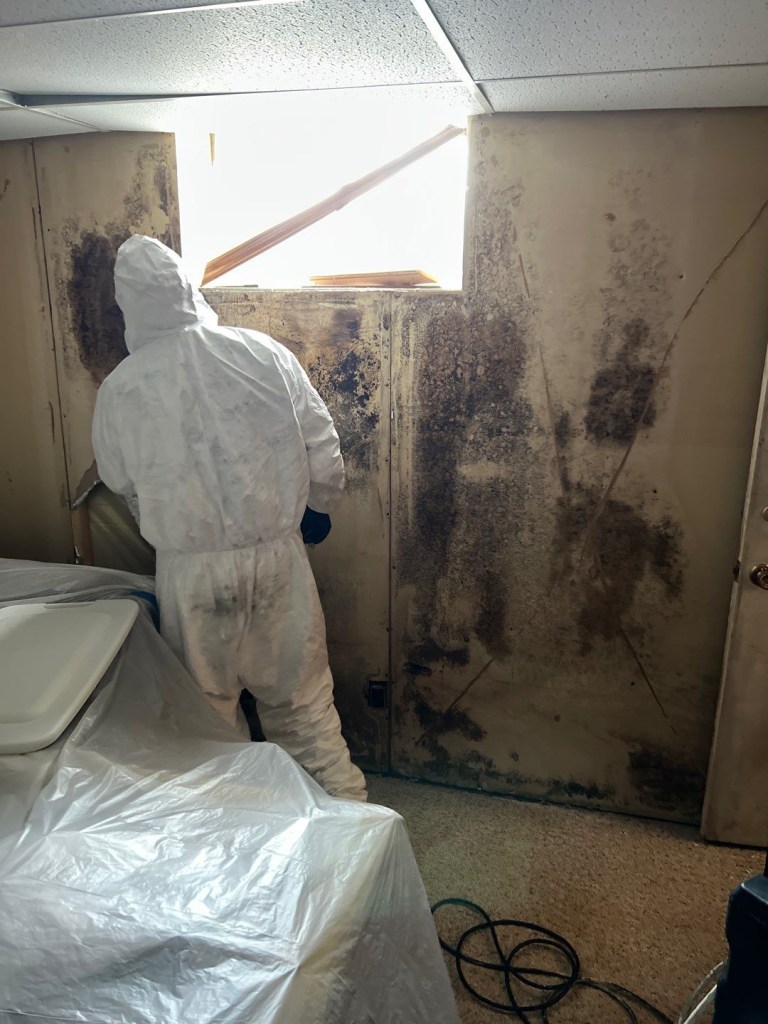
This basement was below grade, the waterproofing product used to seal the exterior when constructed, had degraded and delaminated over time. The Importance of Exterior and Interior Waterproofing
Waterproofing is an essential aspect of maintaining the structural integrity and longevity of any property. Whether it’s a residential home, a commercial building, or an industrial facility, ensuring that both the exterior and interior are well-protected from water damage can save you significant time, money, and stress in the long run. Here’s why you might need exterior or interior waterproofing and how it can benefit your property.
Understanding Exterior Waterproofing
Exterior waterproofing focuses on protecting the outer structure of a building from water infiltration. This type of waterproofing is crucial for several reasons:
- Preventing Structural Damage: Water seepage can weaken the foundation, leading to cracks and structural instability. Exterior waterproofing helps keep water away from the foundation, preserving its strength and durability.
- Mold and Mildew Prevention: Moisture can create an ideal environment for mold and mildew growth, which can cause health issues and damage building materials. Exterior waterproofing reduces the risk of mold and mildew by keeping water out.
- Enhancing Property Value: A well-maintained, waterproofed exterior can increase your property’s market value. Potential buyers are likely to pay more for a home or building that doesn’t have water damage issues.
- Energy Efficiency: Waterproofing can also improve your property’s energy efficiency. Proper insulation and waterproofing can help maintain indoor temperatures, reducing the load on heating and cooling systems.
The Role of Interior Waterproofing

Annual inspections are needed to maintain waterproofing efforts all of our waterproofing installations come with regular maintenance and inspections Interior waterproofing is equally important and serves as an additional line of defense against water intrusion. Here’s why you might need interior waterproofing:
- Basement Protection: Basements are particularly susceptible to water infiltration. Interior waterproofing helps keep basements dry, preventing damage to personal belongings and reducing the risk of mold growth.
- Mitigating Existing Water Problems: If your property already has water issues, interior waterproofing can help manage and reduce the impact. This approach includes installing sump pumps, interior drainage systems, and waterproof coatings.
- Health and Safety: A dry interior environment is crucial for maintaining good indoor air quality. Waterproofing helps prevent mold and mildew, which can cause respiratory problems and other health issues.
- Longevity of Building Materials: Water damage can cause significant wear and tear on building materials. Interior waterproofing protects walls, floors, and other structures from moisture, prolonging their lifespan.
Choosing the Right Waterproofing Solution
Determining whether you need exterior or interior waterproofing—or both—depends on your specific situation. Here are some factors to consider:
- Climate and Weather Conditions: Properties in areas with high rainfall or prone to flooding may benefit more from exterior waterproofing.
- Age and Condition of the Property: Older properties with existing water damage may require comprehensive interior waterproofing solutions.
- Budget and Resources: While exterior waterproofing is typically more expensive, it offers long-term benefits. Interior waterproofing can be a cost-effective solution for managing current issues.
Professional Waterproofing Services

IICRC Water-Mold-Smoke-Fire Damage Certified Professionals Call ☎️ 859-267-3482 At Property Damage Solutions, we specialize in both exterior and interior waterproofing services. Our team of experts can assess your property, identify potential water intrusion points, and recommend the best solutions to protect your investment.
Conclusion
Waterproofing is not just an optional upgrade; it’s a necessary step to protect your property from the damaging effects of water. Whether you need to safeguard the exterior, manage existing interior issues, or both, professional waterproofing services can help you maintain a safe, dry, and valuable property. Contact us today to learn more about our comprehensive waterproofing solutions and how we can help you achieve peace of mind and long-term property protection.
For more information, visit Property Damage Solutions or give us a call at 859-302-9666. Let us help you keep your property safe from water damage.
-
Understanding Whiskey Fungus: Causes, Effects, and Prevention

Whiskey Fungus Is A Black Mold Whiskey fungus, also known as Baudoinia compniacensis, is a type of black mold that commonly grows on buildings and structures near whiskey distilleries and other facilities where ethanol is produced. While whiskey fungus itself does not pose significant health risks to humans, it can cause aesthetic and structural damage to buildings and outdoor surfaces. In this article, we’ll explore the causes, effects, and prevention measures for whiskey fungus.
Causes of Whiskey Fungus:
Whiskey fungus thrives in environments with high levels of ethanol vapor, which are typically found near distilleries, breweries, and other industrial facilities where alcohol is produced. The fungus feeds on the ethanol vapors released during the fermentation and aging processes, as well as on other organic compounds present in the air.

Houses Near Distilleries Commonly Need Pressure Washed And Treated Effects of Whiskey Fungus:
- Aesthetic Damage: The most noticeable effect of whiskey fungus is the black staining it creates on outdoor surfaces such as buildings, fences, and trees. These unsightly stains can detract from the appearance of properties and structures, leading to concerns among property owners and communities.
- Structural Damage: In addition to aesthetic concerns, whiskey fungus can also cause structural damage to buildings and other surfaces over time. The fungus can penetrate and degrade certain types of building materials, including wood, concrete, and metal, potentially compromising their integrity and longevity.
- Environmental Impact: Whiskey fungus releases spores into the air, which can spread and settle on nearby vegetation, soil, and water bodies. While the impact of whiskey fungus on the environment is relatively minimal compared to other types of pollution, it can still contribute to ecological changes in affected areas.

We use a plant based anti microbial in our monthly treatments for clients as well as thorough inspections to the most vulnerable areas of the home. These monthly treatments are for any microbes as well as whiskey fungus. Prevention of Whiskey Fungus:
- Site Selection: When planning the location of a distillery or industrial facility, consider the surrounding environment and potential impacts on nearby properties. Choose sites with adequate distance from residential areas and sensitive ecosystems to minimize the risk of whiskey fungus growth.
- Emissions Control: Implement measures to control and reduce emissions of ethanol vapors and other organic compounds from production processes. This may include installing vapor recovery systems, improving ventilation, and optimizing fermentation and aging techniques to minimize emissions.
- Surface Treatments: Apply protective coatings or sealants to outdoor surfaces to create a barrier against whiskey fungus growth. These treatments can help prevent the fungus from establishing a foothold and make it easier to clean and remove any staining that does occur.
- Regular Maintenance: Implement a regular maintenance schedule to inspect and clean outdoor surfaces for signs of whiskey fungus growth. Promptly remove any black stains using appropriate cleaning methods and products to prevent further spread and damage.
- Community Engagement: Foster open communication and collaboration with local communities and stakeholders to address concerns related to whiskey fungus. Educate residents and property owners about the causes and effects of the fungus and involve them in discussions about prevention and mitigation strategies.
Conclusion:
Whiskey fungus may not pose a direct health risk to humans, but its presence can have significant aesthetic and structural impacts on buildings and outdoor surfaces near distilleries and industrial facilities. By understanding the causes of whiskey fungus and implementing proactive prevention measures, we can minimize its effects and preserve the integrity and beauty of our communities.
For professional assistance with whiskey fungus removal and prevention, contact Property Damage Solutions at (859) 302-9666 or email propertydamage123@gmail.com.
We Are IICRC Certified Mold Removal Specialists Call, Text, Email, we do emergency water extraction 24/7/365
-

Emergency Water Extraction from Basements and Crawlspaces in Richmond, Kentucky
Emergency Water Extraction from Basements and Crawlspaces in Richmond, Kentucky
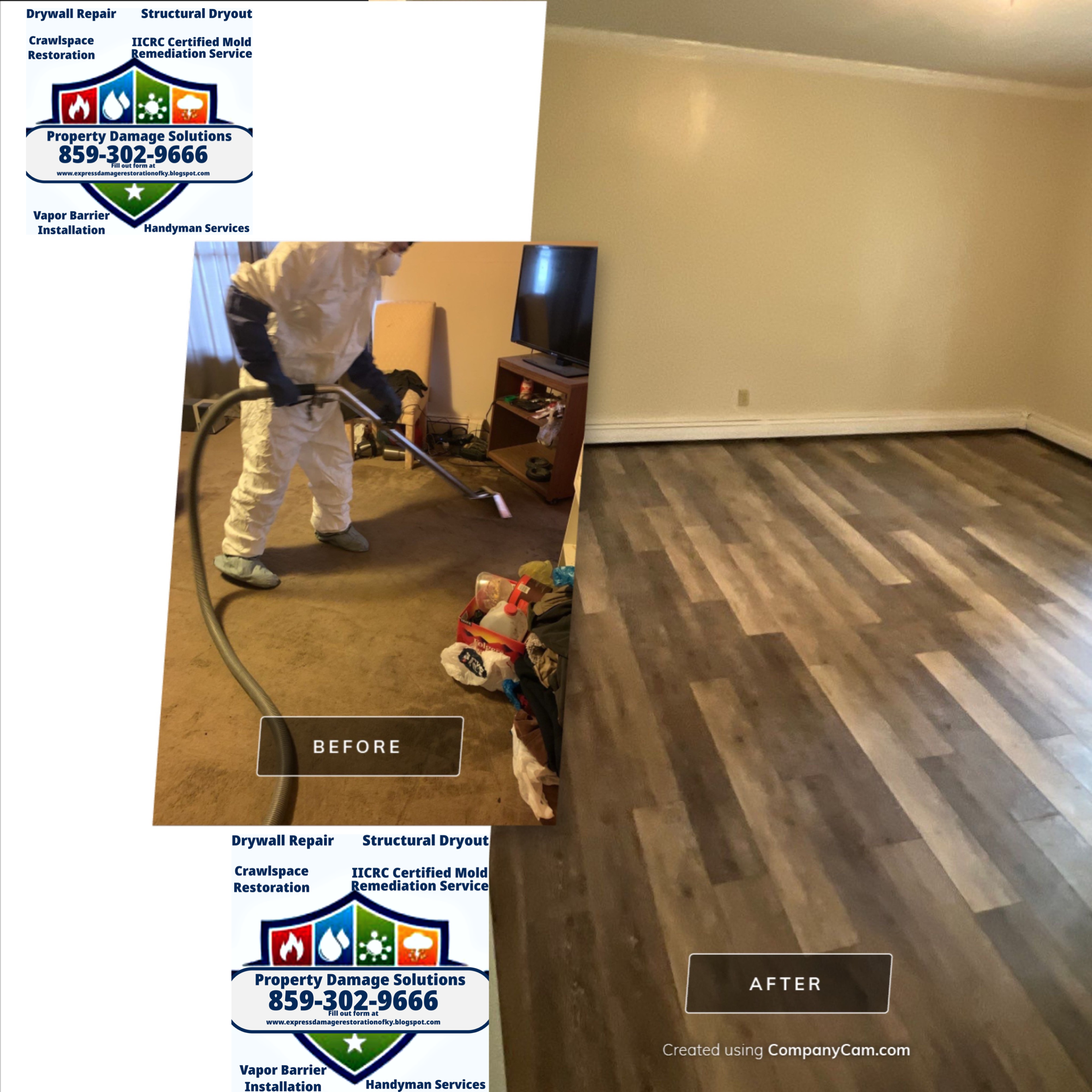
When disaster strikes, swift action is crucial to minimize damage and restore normalcy. At Property Damage Solutions, we specialize in emergency water extraction services for basements and crawlspaces in Richmond, Kentucky, and surrounding areas of central Kentucky. With our prompt response and expertise, we’ll help you mitigate water damage effectively, ensuring your property is restored to its pre-loss condition.
Expert Water Extraction Services
Our team of skilled professionals is equipped with state-of-the-art equipment and industry-leading techniques to tackle water emergencies of any scale. Whether it’s a burst pipe, flooding, or any other water-related catastrophe, we’re here to provide swift and efficient water extraction services.
Comprehensive Assessment and Planning
Upon arrival at your property, our certified technicians will conduct a thorough assessment of the water damage. We’ll determine the extent of the damage and formulate a tailored plan to address the situation effectively. Our goal is to minimize disruption to your life and property while ensuring thorough water extraction and drying.
Advanced Equipment and Techniques
At Property Damage Solutions, we utilize advanced water extraction equipment, including powerful pumps, extractors, and dehumidifiers, to remove water quickly and efficiently. Our team is trained in the latest techniques for water removal and structural drying, ensuring that your property is dried thoroughly to prevent mold growth and structural damage.
24/7 Emergency Response
Water emergencies can happen at any time, day or night. That’s why we offer 24/7 emergency response services to our clients in Richmond, Kentucky, and the surrounding areas. You can count on us to be there when you need us the most, ready to provide immediate assistance and peace of mind.
Licensed, Bonded, and Insured
Property Damage Solutions is a licensed, bonded, and insured water damage restoration company. We adhere to the highest industry standards and regulations to ensure the safety and satisfaction of our clients. With us, you can rest assured that your property is in capable hands.
Contact Us Today
 Call ☎️ 859-302-9666
Don’t let water damage wreak havoc on your property. If you’re facing a water emergency in your basement or crawlspace, don’t hesitate to contact Property Damage Solutions at 859-302-9666. Our team is standing by to provide prompt, professional assistance and help you restore your property to its former glory.
-
How Does A.T.P testing work

The following article explains; How Does A.T.P testing work.
ATP (Adenosine Triphosphate) testing is a method used to determine the presence of biological contamination, such as bacteria, yeast, or mold, in a sample. The test works by measuring the amount of ATP (a molecule found in all living cells) in a sample using a luminometer.

A.T.P Testing With A Luminometer Typically, the sample is mixed with a reagent called luciferin, which reacts with ATP to produce light. The amount of light produced is proportional to the amount of ATP present in the sample. The light emission is then measured by the luminometer, and the result is reported in relative light units (RLU). High RLU values indicate high levels of ATP and therefore high levels of biological contamination.
ATP testing is widely used in a variety of industries, including food safety, environmental monitoring, and healthcare, as a quick and simple way to assess the level of hygiene and cleanliness in a given area.
-
lexington, kentucky, mold damage, mold inspection company, mold remediation, mold removal, richmond,Kentucky, Water Damage, water damage cleanup, water damage cleanup company, water damage mitigation, water damage mitigation company, water damage restoration, water removal service near me, water restoration company
How to thaw frozen pipes

For emergency water removal call ☎️ (859)302-2702
Old man winter is unbearable as it is, water damage from burst frozen pipes in the middle of it can be a nightmare. Should your pipes freeze, the following will give you tips on how to thaw frozen pipes.
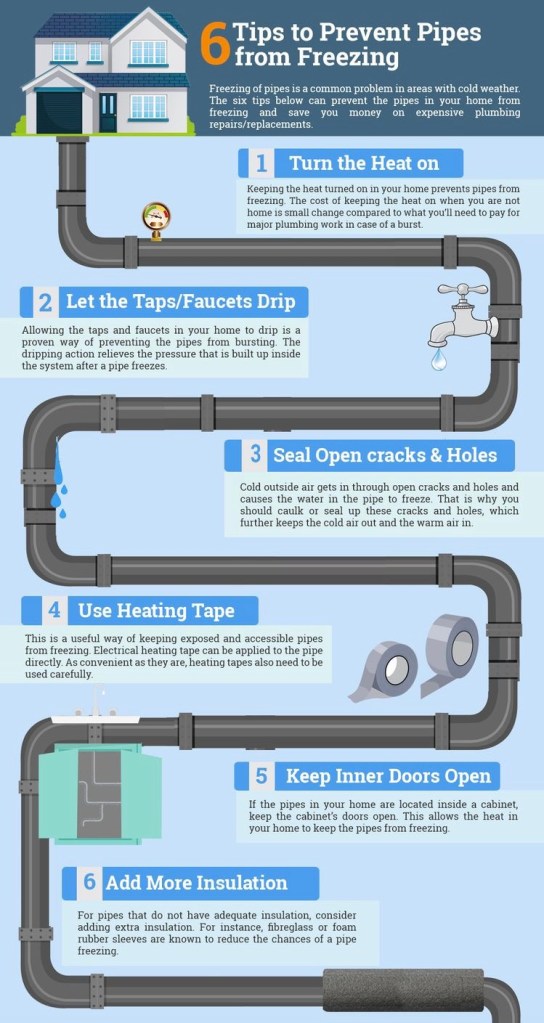
Tips on thawing frozen water pipes to parent water damage Thawing Frozen Pipes
What to do if a pipe bursts
https://www.lex18.com/news/unprecedented-number-of-water-pipes-break-in-lexington?_amp=true
If a pipe bursts in your home, you’ll need to act fast to mitigate additional damage. Shut off your water as quickly as possible. This will help minimize the amount of water that seeps out inside your walls. You may also want to shut off power in the affected area of your home. After you’ve taken these precautionary steps, it’s time to call a plumber and start mopping up any mess that’s been caused. Try to remove as much of the water and lingering moisture as you can to avoid mold and mildew buildup. Depending on the severity of your case, you may also need to bring in other professionals to address damage to your walls, carpet, flooring or ceiling.
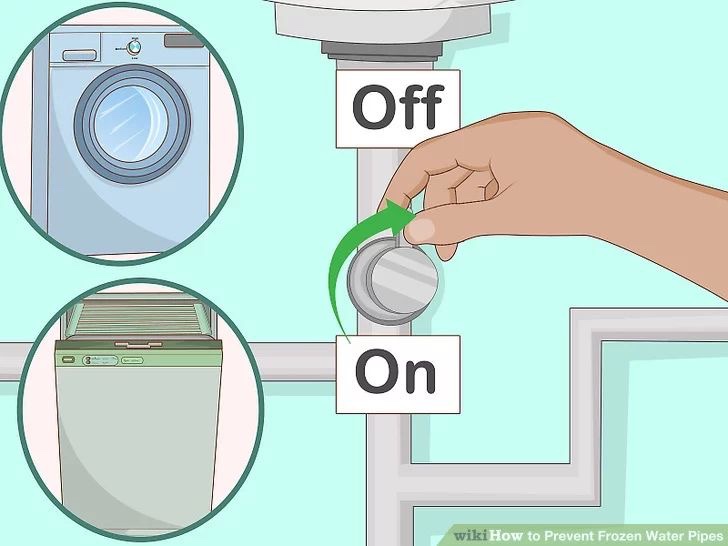
Shit water off to prevent water damage in case a pipe bursts How to thaw out pipes
How can you tell if your pipes are frozen? If you turn on the bathroom or kitchen faucet and see only a few drops or a trickle of water, this could indicate that water inside the pipes has frozen – preventing a free flow. But don’t panic. You may be more equipped to deal with the situation than you think. Here’s a quick lesson on how to thaw a frozen pipe.
Step 1. Turn on the faucet
Keep it running. Allowing the faucet to drip even slightly can help prevent a pipe from bursting. It’s simple – when freezing takes place, extreme pressure builds between the faucet and the ice blockage. An open faucet relieves this pressure buildup, in turn preventing a burst from occurring.
Step 2. Apply heat to the frozen area, thermal energy promotes drying.
Slowly apply heat using a hair dryer. There are several ways to do this. You can wrap the pipes in thermostatically controlled heat tape, or you can use an external heat source such as a hair dryer or space heater. Do not use a propane torch as this can damage the pipe and present a fire risk.
If you decide to use a hair dryer, begin directing air close to the faucet end of the pipe and gradually move toward the coldest section. Be careful not to overheat the hair dryer or blow a fuse. Remember, the faucet should be left on while heat is being applied.
Step 3. Continue to apply heat
Don’t stop heating until full water pressure is restored. Even then, it’s a good idea to leave the faucet open for a few minutes after the pipe is thawed. This will give the ice time to completely clear from the line.
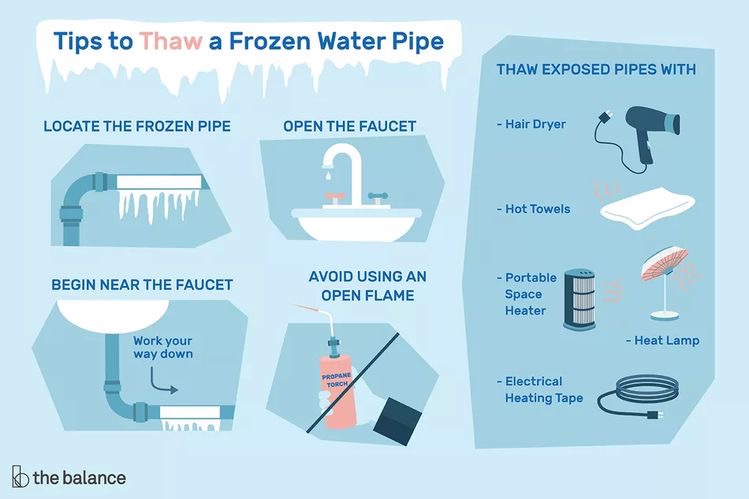
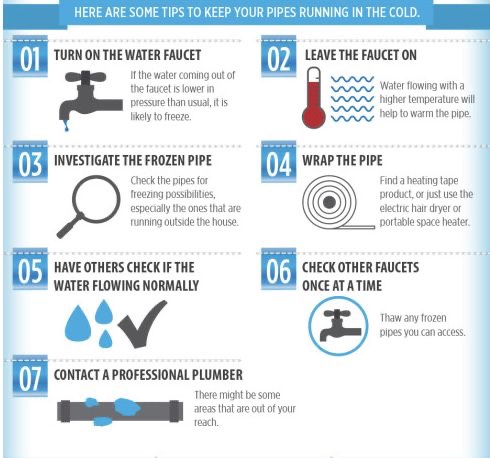
Ways to thaw frozen pipes Step 4. Check all faucets and prevent pipes from freezing in the future
Check each faucet in your home for any other frozen pipes. One frozen pipe may mean that others have been affected as well.
If the problem persists, contact a plumber. You can prevent pipes from freezing again by taking a few simple steps:
Before traveling, keep the temperature in your home above freezing and turn off all the water to your house.
Be sure to keep all water pipes, especially those close to outside walls, insulated with foam rubber or heating cable.
Keep cabinet doors open to allow air to circulate.
Let your faucets drip cold water – it is harder for a pipe to freeze even if there is a trickle of water flowing through. In order to not waste water, you can collect the drops and reuse it, possibly for cleaning or watering plants.
How long does it take for pipes to unfreeze?
Using any of the handful of methods on how to thaw frozen pipes will typically take about 30 minutes. This can vary depending on the weather, how long the pipe has been frozen and where the pipe is located. Any of these factors can cause the thawing process to take longer.2
And remember, a frozen pipe isn’t the only issue that comes with cold weather. Find out other ways to protect your home during the winter.
Ways to prevent frozen pipes Quick tip on drying if you have a pipe burst, find out the GPP (grains per pound) inside your home and then outside, you can do this by purchasing a thermometer hydrometer. If the gpp is lower outside than inside, then you can dry your home with what is known in the water damage restoration industry as “an open drying system. Click to check out our mold damage prevention tips there is more tips on how to dry a house out after water damage without water damage restoration equipment.
-
Is Flood Insurance Necessary And How Do I Get IT
Flood insurance is generally available to people in communities that participate in the National Flood Insurance Program (NFIP). Flood insurance policies can be purchased through local insurance agents by homeowners, business owners and renters who want protection for their homes, buildings and belongings. (Landlords can buy separate flood insurance policies to help protect the home.)
WHAT DOES FLOOD INSURANCE COVER?
So, what does a flood policy help protect? FEMA says you can purchase coverage to help protect your home, your personal belongings, or both. Here are some of the basics for these two types of coverage:
Building property coverage
- What it helps protect: The physical structure of your home and its foundation; plumbing and electrical systems; central air and heating systems; attached bookcases, cabinets and paneling; and a detached garage (other detached structures need their own policy).
- How it typically pays out: Replacement cost basis (what it would take to repair the home in today’s dollars) for a primary residence and actual cash value (which factors in depreciation) for a vacation home.
- Maximum coverage limit: $250,000
Personal contents coverage
- What it helps protect: Clothing, furniture and electronics; curtains; some portable appliances; freezers and the foods within them; and certain valuables, like art (up to a specified limit).
- How it typically pays out: Actual cash value basis (takes depreciation into account).
- Maximum coverage limit: $100,000
HOW DO I PURCHASE FLOOD INSURANCE?
A local insurance agent can help you purchase a flood insurance policy from the NFIP.
You’ll typically need to wait 30 days for your policy to go into effect, though there are some exceptions. For instance, if you purchase a flood insurance policy at the same time you take out a mortgage, the insurance may go into effect immediately, according to FEMA.
WHAT’S NOT COVERED BY FLOOD INSURANCE?
Equally important is knowing what’s not covered by flood insurance. Here are a few examples of the types of property and expenses that fall outside the scope of a basic flood insurance policy, according to the NFIP:
- Moisture or mold/mildew damage that “could have been avoided by the homeowner”
- Currency, precious metals and paper valuables, like stock certificates
- Outdoor property such as decks, fences, patios, landscaping, wells and septic systems, and hot tubs and pools
- Living expenses, like temporary housing (if flood damage deems your home uninhabitable).
- Cars and other self-propelled vehicles (but your auto insurance may offer some protection for your car if you have comprehensive coverage).
In addition, flood insurance provides limited, if any, coverage for below-ground rooms like crawl spaces and basements, and their contents, the NFIP says. Some items in these spaces (like the furnace) are typically included under building coverage. Others (like the washer/dryer) are usually covered under personal contents coverage. And some items ─ like your personal effects ─ may not be covered at all when they’re kept in below-ground rooms.
Talk to an agent to help make sure you’re clear about the coverage details, exclusions and limitations of a flood insurance policy and to help you make the right choices for your situation.
Of course, you should also remember that a flood isn’t the only potential source of water damage to a home. That’s why, in addition to understanding the potential benefits of flood insurance, you should also review the coverages offered by your homeowners insurance policy.
Armed with the knowledge and insurance coverages that are right for you, you’ll go a long way toward protecting your home against water damage.
-
Sneaky Leaks That Cause Water Damage
SIGNS OF WATER LEAKS
Before we reveal the five sources, it’s first helpful to know signs that your house might have a water leak. In addition to obvious signs such as seeing stagnant water or a water mark on a wall, other signs of water leaks include:
- Mold or mildew growth.
- An unusually high water bill.
- A warm spot on the floor, which could signal a hot water pipe leak. (This is especially common on concrete slab floors.)
- The sound of water running when nothing is turned on.
- Foul odors emanating from floors, walls, drains or sewers.
- Cracks in your home’s foundation. (This could also be caused by frost heave.)
CAUSES OF WATER LEAKS
Here are five causes of water leaks–and how you (or your plumber) can get a handle on them.
The source: Your outdoor hoses
The cause: Weak connections or frost damage can cause leaks.
The fix: Inspect the connection at the spigot for any loose connections; if you notice a loose connection, replacing the washer can ensure a tighter fit. (Tightening with a wrench and pipe tape is another option.) If that doesn’t work and you have in-ground irrigation, it’s possible freezing weather damaged things. Call a professional for help with this one. (And always make sure to drain water out of your hose bibto prevent frozen pipes.)The source: Your dishwasher
The cause: Leaks happen when water pools or the door doesn’t shut right.
The fix: A simple door leak can be fixed by replacing the dishwasher’s gasket, tightening the hose connection and checking to make sure you’re using the right detergent for your dishwasher. If leaks are still happening, call a pro.The source: Your air conditioner or HVAC system
The cause: Some reasons why air conditioners leak include wrong installation, ice accumulation on the indoor evaporator and poor drainage.
The fix: A few DIY actions you can take include changing the air filter about every other month, making sure the condensate line is free of kinks and obstructions and investing in a dehumidifier if you notice condensation on your unit. Still, you’ll probably want to call a heating and cooling professional if you notice that your AC isn’t running well or leaking.The source: Your refrigerator
The cause: The copper pipe that brings in water to make ice might have an unsecure connection somewhere. Other causes include a clogged drain hole (the passage that whisks away water from ice making operations). If your fridge is in an unheated garage, basement or porch, excess condensation could be forming when the heat from the motor mixes with the cold air.
The fix: You can try to tighten any loose connections by hand or with a wrench. If cold air is the culprit, seriously consider moving your fridge into a heated area of your home. If you suspect the drain hole, pour in a mild mixture of soapy water and ammonia followed by water to flush it out. If this doesn’t work, call a professional.The source: Your washing machine
The cause: Weak washing machine hoses can break while seals on front-loading machines can wear out over time.
The fix: Replace your washing machine hose about every five years (make sure to buy a tough reinforced steel-braided hose) and replace the gasket on your front-loading door if it looks worn or permits any water to leak.
-
Mold Remediation Tips
Cleaning up after a flood can pose health risks. You and your family should wait to re-enter your home until professionals tell you it is safe, with no structural, electrical or other hazards.
Before you start cleanup activities, contact your insurance company and take pictures of the home and your belongings. Remember – drying your home and removing water-damaged items is your most important step for preventing mold damage.
IS THERE A PROBLEM?
Was your home flooded? If so, and you were not able to dry your home (including furniture and other items) within 24-48 hours, you should assume you have mold growth. You need to completely dry everything, clean up the mold, and make sure you don’t still have a moisture problem.
You may see or smell mold on clothing, drywall, furniture, cardboard boxes, or books, but it may also be hidden under or behind items like carpet, cushions, or walls.
MOLD BASICS: HOW MOLDS CAN AFFECT YOUR HEALTH
Exposure to mold can lead to asthma attacks, eye and skin irritation, and allergic reactions. It can lead to severe infections in people with weakened immune
KEY MESSAGES
• Wear personal protective equipment. Wear an N-95 respirator at a minimum, goggles, and protective gloves.
• Use portable generators carefully, outside and away from the home, to avoid carbon monoxide poisoning and fires.
• Ensure the mold cleanup is complete before reoccupying your home.
systems. Avoid contaminated buildings and contaminated water as much as you can.
Flood water may have carried sewage or chemicals into your home. This could expose you or your family to viruses, bacteria, disease carriers (such as mosquitos), and parasites, as well as mold.
To learn more about cleaning and disinfection go to: http://www.cdc.gov/healthywater/emergency/ flood/standing.html
You can protect yourself and your family from mold exposure by following these steps.
BEFORE YOU ENTER ANY MOLDY SITE:
• Protect yourself and loved ones against hazards. People with breathing problems like asthma or who have weakened immune systems should stay away from moldy sites. Children should not take part in disaster cleanup work. Check for loose power lines or gas leaks. Make sure the electricity and gas are turned off. Look for sagging ceilings or floors or other structural problems. Watch out for wet, muddy, or slippery floors.
• Protect your mouth and nose against breathing in mold: wear at least an N-95 respirator. If you plan to spend a lot of time removing moldy belongings or doing work like ripping out moldy drywall, wear a half-face or full- face respirator. Basic information on using it is in OSHA’s general respiratory protection guidance.
• Protect your skin. Wear protective gloves (non-latex, vinyl, nitrile, or rubber). Do not touch mold or moldy items with bare hands.
• Protect your eyes. Wear goggles that provide complete eye protection. Choose goggles designed to keep out dust and small particles. Safety glasses or goggles that have open vent holes will not protect you against dust and small particles.
HOMEOWNER’S AND RENTER’S GUIDE TO MOLD CLEANUP AFTER DISASTERS 2
AFTER YOU LEAVE A MOLD SITE:
• Protect yourself and loved ones. Shower and change your clothes. This will help you avoid carrying mold and other hazards back to your current living quarters.
SHOULD I DO THIS MYSELF?
This job may be too difficult or dangerous for you. It may be best to get help from experienced and qualified professionals if you can. Hire a mold inspection or remediation professional affiliated with or certified by the National Environmental Health Association (NEHA), the American Industrial Hygiene Association (AIHA), the Institute of
Inspection, Cleaning and Restoration Certification (IICRC), or American Council for Accredited Certification (ACAC) to inspect, repair, and restore the damaged parts of your home. Your state also may regulate mold remediation.
Sampling for mold is not usually recommended. Understanding the results can be difficult, and no matter what kind of mold is in your home, you need to clean it up and fix the moisture problem.
IF I MUST DO THIS MYSELF, HOW CAN I DO IT SAFELY?
Follow these steps:
1. Put on the personal protective equipment described above to protect your eyes, nose, mouth, and skin.
2. Remove standing water and wet materials. Use a wet vacuum to remove water from floors, carpets, and
hard surfaces. Dry your home and everything in it as quickly as you can – within 24 to 48 hours if you can.
3. Open all doors and windows when you are working and leave as many open as is safe when you leave.
o o o
Open inside doors, especially closets and interior rooms, to let air flow to all areas. Take doors off their hinges if you need to.
Open kitchen cabinets and bathroom vanity doors; remove drawers, wipe them clean, and stack them to dry.
Open the attic access to let air flow to the attic. Before you open the attic door, make sure nothing will fall on you.
4. When electricity is safe to use, use fans and dehumidifiers to remove moisture. Do not use fans if mold has already started to grow, because the fans may spread the mold.
5. Clean with water and a detergent. Remove all mold you can see. Dry right away.
6. If you use cleaning products, do not mix cleaning products together. DO NOT mix bleach and ammonia
because it can create toxic vapors.
7. Painting or caulking over mold will not prevent mold from growing. Fix the water problem completely and
clean up all the mold before you paint or caulk.
8. Throw away items that can’t be cleaned and dried. Throw away anything that was wet with flood water and
can’t be cleaned and dried completely within 24 to 48 hours. If you have precious items that you want to preserve, follow these guidelines from the Smithsonian Institute: http://www.si.edu/mci/english/ learn_more/taking_care/mnm.html
HOMEOWNER’S AND RENTER’S GUIDE TO MOLD CLEANUP AFTER DISASTERS 3
SAFETY TIPS ON USING PORTABLE GENERATORS
If you use a portable generator for electricity use CAUTION to avoid carbon monoxide poisoning and fires.
• Use portable generators OUTSIDE and at least 20 feet away from buildings.
• Do not use portable generators inside your house or garage.
• Do not put portable generators on balconies or near doors, vents, or windows.
• Do not use portable generators near where you or your children are sleeping.
• Never refuel a generator while it is hot.
• For more information, go to: http://www.osha.gov/OshDoc/data_Hurricane_Facts/portable_generator_safety.pdf
AM I DONE?
• If you still see or smell mold, you have more work to do. After a remediation, there should be no signs of water damage or mold growth.
• You may need to ask a mold remediation professional to know whether your mold problem is completely fixed. As noted in the “Should I do this myself?” section, sampling for mold is not usually recommended; instead, a careful inspection of the work area for completion of the cleanup and absence of mold-related odors is usually appropriate.
• If you have health problems that get worse when you return home, like asthma or allergy attacks or skin or eye irritation, you may still have some mold.
-
Tips for preventing a flooded basement in Richmond,KY
Water in your basement ☎️ (859)302-2702
Reduce sewer or drain losses in your basement by checking drainage, reducing backflow and installing a sump pump.
No one wants to experience sewer backups in the home.
Like many questions around home maintenance, when it comes to sewer problems, prevention is the best solution. Considering how much damage can be caused by water in your basement, it makes sense to spend a little time testing out your drainage system and addressing any problems before a catastrophe occurs.
Here are a few easy ways to keep your basement clean and dry.
Make sure your drainage system works
Often, water in your home comes down to preventable drainage problems. A few hours of work could keep the water out. Review this checklist to help:
- Your home’s gutter downspouts should extend at least 10 feet away from the foundation of the house so water is carried away from basement walls.
- Clear your gutters at least twice a year to prevent them from overflowing. Leaves and debris will clog gutters and can send water back toward your roof, walls or foundation.
- Gutters and downspouts should not be connected to municipal sewage lines.
- Your yard should be graded to slope away from the house so surface water is drained away.
- If your gutters connect to storm sewers, keep drain lines clear.
Prevent backflow
Backflow is the reversal of water in any plumbing system. It can lead to undesirable leaking and flooding.
Some homes are equipped with check valve devices that allow water and sewage to flow away from the drain, preventing water and sewage from backing up into the drain. Gate-valve devices operate like a gate, closing and shutting off the flow of water and sewage.
Drain plugs and standpipes can also be used to prevent backflow. Both are relatively inexpensive solutions, but also come with their own risks. Drain plugs seal off the flow of water but can cause an overflow to occur at the next opening in the system. Standpipes, or vertical pipes connected and sealed to a drain, can contain minor overflows and act as safety valves, but can only contain backflow up to their height, usually just three feet.
If you think you’re having problems with backflow, contact a plumber or contractor immediately.
Sump pumps
Sump pumps are pumps that remove water from a reservoir in your home.
There are several types of sump pumps, including single sump pumps and dual-level systems, which employ a backup pump. Usually, batteries or a generator can be used to power the pump in case of a power failure.
If you’d like to get a sump pump for your home, check with your local plumbing contractor or building code official for additional requirements.
When all else fails
Sometimes water still gets in even when you take precautions. If it does, here are a few things you can do to minimize damage:
- Keep items stored in basement areas shelved or off the floor. Consider replacing cardboard boxes with sturdy containers for storage.
- Place furniture on casters or shims and arranged away from floor drains.
Check with your local building code department, water utility or a qualified plumber for more information on steps you can take to reduce the chance of water damage to your home. And talk to your local insurance agent to see what’s covered in your homeowners policy.
-
Certified Mold Remediation Company In Richmond, Ky 40475 (859)302-2702
Emergency 🚨 💦 extraction ☎️ (859)302-2702
40 KAR 2:330. Mold remediation. RELATES TO: KRS 367.83801, 367.83803, 367.83805, 367.83807 STATUTORY AUTHORITY: KRS 367.83805(1), 367.83805(2), 367.83807 NECESSITY, FUNCTION AND CONFORMITY: KRS 367.83805(1) requires the Department of Law, after consultation with the Public Protection Cabinet and the Department for Public Health, to establish minimum standards for mold remediation companies that operate in the Commonwealth based on the five (5) general principles of mold remediation created by the In�stitute of Inspection, Cleaning and Restoration Certification (IICRC) in its publication, IICRC S520, Second Edition, Standard and Reference Guide for Professional Mold Remediation, or its successor publication. KRS 367.83805(2) authorizes customer complaints regarding com�pliance by mold remediation companies with 40 KAR Chapter 2 promulgated pursuant to KRS 367.83805. This administrative regulation establishes the minimum standards for mold reme�diation companies that operate in the Commonwealth and incorporates by reference the forms to be utilized by mold remediation companies. Section 1. Definitions. (1) “Customer” is defined by KRS 367.83803(1). (2) “Indoor environmental professional” means a person qualified through training, educa�tion, and experience to assess mold problems, conduct and review sampling plans and results, and evaluate and develop plans to remediate mold in structures. (3) “Mold” is defined by KRS 367.83803(3). (4) “Mold remediation” is defined by KRS 367.83803(4). (5) “Mold remediation company” is defined by KRS 367.83803(5). (6) “Normal fungal ecology” means an indoor environment that may have settled spores, fungal fragments, or traces of actual growth whose identity, location, and quantity are reflective of typical settled spores, fungal fragments, or traces of actual growth for a similar indoor envi�ronment. (7) “Postremediation evaluation” means the activity conducted by a mold remediation com�pany to determine that the mold remediation has been performed and the mold remediation area, structure, and systems are free of mold contamination. (8) “Post remediation verification” means sampling and analysis conducted to determine that a remediated area has been restored to a normal fungal ecology. Section 2. Safety and Health. A mold remediation company shall: (1) Assure that each principal and employee has training, education, and experience to: (a)1. Perform the tasks required pursuant to this administrative regulation for mold remedia�tion assigned to that person; and 2. Use and operate equipment, tools, and materials, that will be used or operated by that person during mold remediation or that are required pursuant to this administrative regulation; (b) The training required by paragraph (a) of this subsection shall include, at a minimum, the following topics related to the mold remediation tasks required pursuant to this administrative regulation: 1. Safety and health; 2. Engineering controls; 3. Containment methods; and 4. Work practices; (2) Use engineering controls and work practices to prevent exposure of occupants and the mold remediation company’s employees and agents to mold; (3) Determine the type of containment to use during mold remediation; Legislative Research Commission PDF Version Page: 2 (4) Inform the customer in writing of the mold remediation company’s determinations regard�ing containment, including, at a minimum, if the mold remediation company plans to: (a) Use full or limited containment; (b) Use negative pressure so that air pressure within the containment areas is less than in surrounding areas as a measure to prevent cross-contamination; or (c) Advise the customer of other measures to be used to protect the occupants; (5) If the mold remediation company makes a determination not to use containment, advise the customer in writing of the reasons for that determination; (6) If mold is or will be disturbed, or if workers enter or will enter a containment area, ensure that workers use appropriate protective equipment, including, at a minimum: (a) A respirator approved by the National Institute for Occupational Safety and Health (NIOSH) that is appropriate for the environment to be encountered; (b) Goggles, if a full face respirator is not used; and (c) Gloves; and (7) Prior to contracting for mold remediation, inform the customer in writing: (a) Of the potential health risks of mold exposure generally, by providing a copy of the most recent edition of the U.S. Environmental Protection Agency’s A Brief Guide to Mold, Moisture, and Your Home, Document Number EPA 402-K-02-003; (b) Of the areas to be vacated for the duration of the remediation and the estimated duration of the remediation; (c) Of the need to advise tenants and occupants to avoid entering containment areas and work areas for the duration of the remediation and of any other measures customers should use to protect tenants and occupants; and (d) About mold and indoor environmental professionals generally, by providing a copy of Read This About Mold Before You Sign A Contract, Form MRC-1, and Read This About Indoor Environmental Professionals Before You Sign A Contract, Form MRC-2, to the customer prior to or during the initial visit to the property. If the Form MRC-1 is provided to the customer with other items, the Form MRC-1 shall be on top of or prominent among the other items. Section 3. Contamination Prevention and Project Documentation. (1) Except as provided by subsection (6) of this section, a mold remediation company shall provide the customer with a written mold assessment and remediation plan prior to entering into a mold remediation con�tract with the customer. (a) Portions of the mold assessment and remediation plan may be prepared by an inde�pendent indoor environmental professional if the customer has engaged one (1). (b) The written mold assessment and remediation plan shall include, at a minimum: 1. The scope of work, including, at a minimum, the area or areas to be remediated, the tasks to be performed, and a price estimate; 2. An assessment of the source of moisture and, if applicable, measures to take to remedy or manage the moisture source. If the source of moisture or the measures to remedy or man�age the moisture source have not been identified or cannot be determined, the mold assess�ment and remediation plan shall include a statement to that effect; 3. An assessment of the extent of the mold problem to be addressed; 4. The containment and removal techniques that will be used to control the spread of mold contamination, including the written disclosures required by Section 2(4), (5), and (7) of this administrative regulation; and 5. A statement describing how the postremediation evaluation will be conducted, including: a. Visual examination for removal of mold, and mold-contaminated or water-damaged mate�rials and debris; Legislative Research Commission PDF Version Page: 3 b. Examination to determine that surfaces are free of dust; c. Examination to determine if mold-associated odors have been eliminated; and d. Sampling or testing for postremediation verification, if recommended. If postremediation verification is to be conducted, it shall be performed by an independent indoor environmental professional paid directly by the customer and reporting directly to the customer. (2) If the source of moisture or the measures to remedy or manage the moisture source have not been identified or cannot be determined, or if the customer chooses to proceed with mold remediation without remedying and managing the moisture source, or both, a mold re�mediation company shall not perform mold remediation work for the customer until the mold remediation company obtains a completed, signed, and dated Notice of Moisture Problem, Form MRC-3, from the customer and provides a copy of a completed Form MRC-3 to the cus�tomer. (3) A mold remediation company shall not perform mold remediation work without a written contract. A mold remediation company shall ensure that a contract for mold remediation incor�porates the mold assessment and remediation plan required by subsection (1) of this section. (4) The mold remediation company shall obtain a copy of Read This About Mold Before You Sign A Contract, Form MRC-1, and Read This About Indoor Environmental Professionals Be�fore You Sign A Contract, Form MRC-2, with the customer’s dated signature on each form and provide a copy of the completed Form MRC-1 and Form MRC-2 to the customer prior to enter�ing into a contract with the customer for mold assessment or mold remediation. (5) A mold remediation company shall provide the customer with a written change order to be signed and dated by the customer prior to performing additional work for which there is a cost to the customer or prior to a substantive or material departure from the mold assessment and remediation plan. (6)(a) If, because of the size and scope of the work to be performed, it is not practicable to provide a mold assessment and remediation plan for a commercial or institutional customer and if the customer requests in writing that work begin prior to receiving the mold assessment and remediation plan, the mold remediation company shall, prior to entering into a mold reme�diation contract with the customer: 1. Obtain a completed, signed, and dated Commercial or Institutional Customer, Form MRC�4, from the customer and provide a copy of a completed Form MRC-4 to the customer; and 2. Provide the customer a price list that includes the amounts charged for labor and equip�ment. (b) The mold remediation company shall provide updates to the customer regarding the work performed and the work not yet performed. The updates shall be provided on a periodic basis as agreed to by the customer. (7) At the conclusion of the mold remediation work, a mold remediation company shall pro�vide the customer with a written postremediation report that includes, at a minimum, a: (a) Statement indicating if all visible mold, unrestorable mold-contaminated materials, and debris have been removed; (b) Statement indicating if all mold-associated odors have been eliminated; (c) Statement indicating if surfaces are free of dust; (d) List of any unexpected conditions or events that arose during the mold remediation work that have the potential for: 1. A significant impact on worker or occupant health or safety; or 2. Interfering with achieving or maintaining an appropriate postremediation condition of the remediated area; (e) Statement indicating if all salvable structures, systems, and contents have been dried to an appropriate moisture content; and Legislative Research Commission PDF Version Page: 4 (f) List of independent indoor environmental professionals, if sampling or testing to verify the mold remediation is required by the contract. (8) A mold remediation company shall maintain a copy of all documents required by this administrative regulation for a period of at least three (3) years following completion of the mold remediation work. Section 4. Contamination Control. A mold remediation company shall: (1) Control mold contamination as close as practical to its source in order to prevent the spread of mold or mold spores or particles; (2) Minimize dust generation; and (3) Ensure that mold contamination does not spread to less-contaminated or non�contaminated areas. Section 5. Contamination Removal. A mold remediation company shall: (1) Physically remove mold contamination from the structure, systems, and contents to re�turn the structure, systems, and contents within the remediated area to a normal fungal ecolo�gy; and (2) Return the structure, systems, and contents within the remediated area to a clean condi�tion. The structure, systems, and contents shall be considered clean if: (a) Mold contamination is removed; (b) Unrestorable mold-contaminated materials are removed; (c) Debris is removed; (d) Surfaces are free of dust; and (e) Remediated areas are free of odors associated with mold. Section 6. Incorporation by Reference. (1) The following material is incorporated by refer�ence: (a) “Read This About Mold Before You Sign A Contract”, Form MRC-1, October 2012; (b) “Read This About Indoor Environmental Professionals Before You Sign A Contract”, Form MRC-2, October 2012; (c) “Notice of Moisture Problem”, Form MRC-3, October 2012; (d) “Commercial or Institutional Customer”, Form MRC-4, October 2012; and (e) “A Brief Guide to Mold, Moisture, and Your Home”, Document Number EPA 402-K-02- 003, Reprinted September 2010. (2) This material may be inspected, copied, or obtained, subject to applicable copyright law, at the Office of the Attorney General, Office of Consumer Protection, 1024 Capital Center Drive, Suite 200, Frankfort, Kentucky 40601, Monday through Friday, 8:30 a.m. to 4:30 p.m. (39 Ky.R. 350; 780; 946; eff. 12-7-2012; Crt eff. 2-21-2020.


Dont Let Water Damage Destroy Your House
Call For An Inspection: (859)302-2702
We Servere:
Lexington, Kentucky
Richmond,Kentucky
Newby,Kentucky
Nicholasvillle,Kentucky
Georgetown, Kentucky
Winchester, Kentucky
Follow Me On
Subscribe To My Newsletter
Subscribe for new travel stories and exclusive content.
 Water Damage Mitigation Company In Winchester KY