-
cigarette smoke odor removal, fire damage restoration, lexington, kentucky, mold inspection company, mold removal service, smoke odor removal, Water Damage, water damage cleanup, water damage cleanup company, water damage mitigation, water damage mitigation company, water damage restoration, water removal service near me, water restoration company
7 Hidden Signs of Water Damage in Your Home or Business
Serving All Of Central Kentucky


We are an IICRC Water Damage Restoration Master Restorers

Book Now

We Are Also IICRC Certified Master Fire Damage Restorers Click To Book
24 HR Water Removal Services Click To Call
-
The Importance of Exterior and Interior Waterproofing

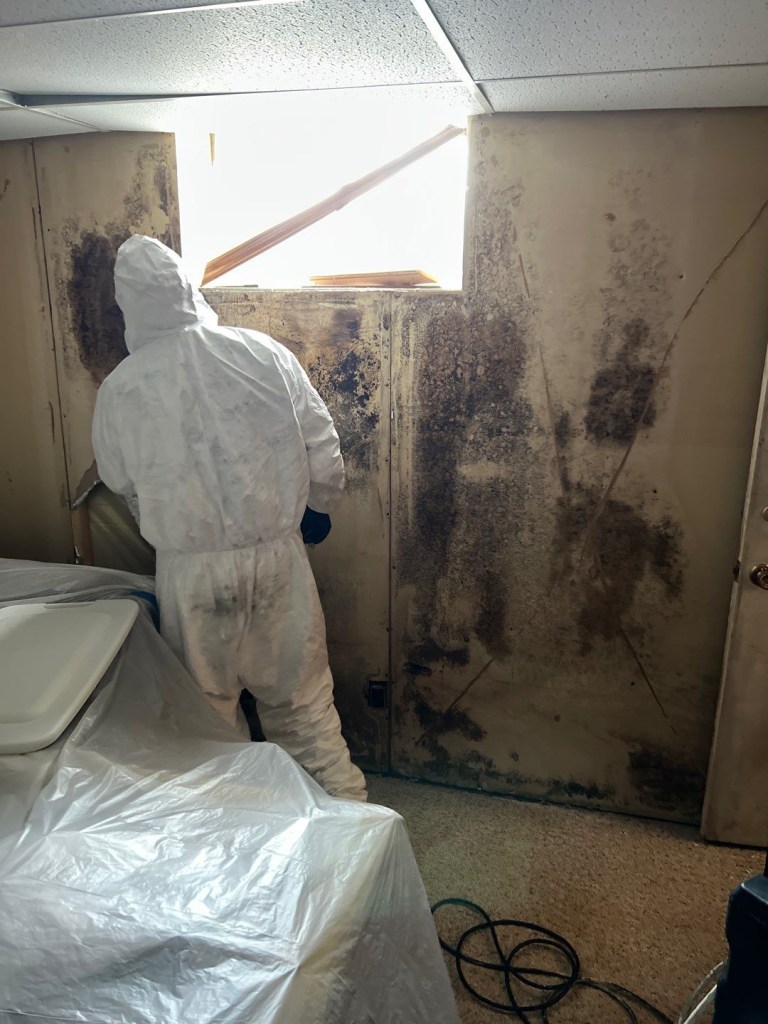
This basement was below grade, the waterproofing product used to seal the exterior when constructed, had degraded and delaminated over time. The Importance of Exterior and Interior Waterproofing
Waterproofing is an essential aspect of maintaining the structural integrity and longevity of any property. Whether it’s a residential home, a commercial building, or an industrial facility, ensuring that both the exterior and interior are well-protected from water damage can save you significant time, money, and stress in the long run. Here’s why you might need exterior or interior waterproofing and how it can benefit your property.
Understanding Exterior Waterproofing
Exterior waterproofing focuses on protecting the outer structure of a building from water infiltration. This type of waterproofing is crucial for several reasons:
- Preventing Structural Damage: Water seepage can weaken the foundation, leading to cracks and structural instability. Exterior waterproofing helps keep water away from the foundation, preserving its strength and durability.
- Mold and Mildew Prevention: Moisture can create an ideal environment for mold and mildew growth, which can cause health issues and damage building materials. Exterior waterproofing reduces the risk of mold and mildew by keeping water out.
- Enhancing Property Value: A well-maintained, waterproofed exterior can increase your property’s market value. Potential buyers are likely to pay more for a home or building that doesn’t have water damage issues.
- Energy Efficiency: Waterproofing can also improve your property’s energy efficiency. Proper insulation and waterproofing can help maintain indoor temperatures, reducing the load on heating and cooling systems.
The Role of Interior Waterproofing

Annual inspections are needed to maintain waterproofing efforts all of our waterproofing installations come with regular maintenance and inspections Interior waterproofing is equally important and serves as an additional line of defense against water intrusion. Here’s why you might need interior waterproofing:
- Basement Protection: Basements are particularly susceptible to water infiltration. Interior waterproofing helps keep basements dry, preventing damage to personal belongings and reducing the risk of mold growth.
- Mitigating Existing Water Problems: If your property already has water issues, interior waterproofing can help manage and reduce the impact. This approach includes installing sump pumps, interior drainage systems, and waterproof coatings.
- Health and Safety: A dry interior environment is crucial for maintaining good indoor air quality. Waterproofing helps prevent mold and mildew, which can cause respiratory problems and other health issues.
- Longevity of Building Materials: Water damage can cause significant wear and tear on building materials. Interior waterproofing protects walls, floors, and other structures from moisture, prolonging their lifespan.
Choosing the Right Waterproofing Solution
Determining whether you need exterior or interior waterproofing—or both—depends on your specific situation. Here are some factors to consider:
- Climate and Weather Conditions: Properties in areas with high rainfall or prone to flooding may benefit more from exterior waterproofing.
- Age and Condition of the Property: Older properties with existing water damage may require comprehensive interior waterproofing solutions.
- Budget and Resources: While exterior waterproofing is typically more expensive, it offers long-term benefits. Interior waterproofing can be a cost-effective solution for managing current issues.
Professional Waterproofing Services

IICRC Water-Mold-Smoke-Fire Damage Certified Professionals Call ☎️ 859-267-3482 At Property Damage Solutions, we specialize in both exterior and interior waterproofing services. Our team of experts can assess your property, identify potential water intrusion points, and recommend the best solutions to protect your investment.
Conclusion
Waterproofing is not just an optional upgrade; it’s a necessary step to protect your property from the damaging effects of water. Whether you need to safeguard the exterior, manage existing interior issues, or both, professional waterproofing services can help you maintain a safe, dry, and valuable property. Contact us today to learn more about our comprehensive waterproofing solutions and how we can help you achieve peace of mind and long-term property protection.
For more information, visit Property Damage Solutions or give us a call at 859-302-9666. Let us help you keep your property safe from water damage.
-
Understanding Whiskey Fungus: Causes, Effects, and Prevention

Whiskey Fungus Is A Black Mold Whiskey fungus, also known as Baudoinia compniacensis, is a type of black mold that commonly grows on buildings and structures near whiskey distilleries and other facilities where ethanol is produced. While whiskey fungus itself does not pose significant health risks to humans, it can cause aesthetic and structural damage to buildings and outdoor surfaces. In this article, we’ll explore the causes, effects, and prevention measures for whiskey fungus.
Causes of Whiskey Fungus:
Whiskey fungus thrives in environments with high levels of ethanol vapor, which are typically found near distilleries, breweries, and other industrial facilities where alcohol is produced. The fungus feeds on the ethanol vapors released during the fermentation and aging processes, as well as on other organic compounds present in the air.

Houses Near Distilleries Commonly Need Pressure Washed And Treated Effects of Whiskey Fungus:
- Aesthetic Damage: The most noticeable effect of whiskey fungus is the black staining it creates on outdoor surfaces such as buildings, fences, and trees. These unsightly stains can detract from the appearance of properties and structures, leading to concerns among property owners and communities.
- Structural Damage: In addition to aesthetic concerns, whiskey fungus can also cause structural damage to buildings and other surfaces over time. The fungus can penetrate and degrade certain types of building materials, including wood, concrete, and metal, potentially compromising their integrity and longevity.
- Environmental Impact: Whiskey fungus releases spores into the air, which can spread and settle on nearby vegetation, soil, and water bodies. While the impact of whiskey fungus on the environment is relatively minimal compared to other types of pollution, it can still contribute to ecological changes in affected areas.

We use a plant based anti microbial in our monthly treatments for clients as well as thorough inspections to the most vulnerable areas of the home. These monthly treatments are for any microbes as well as whiskey fungus. Prevention of Whiskey Fungus:
- Site Selection: When planning the location of a distillery or industrial facility, consider the surrounding environment and potential impacts on nearby properties. Choose sites with adequate distance from residential areas and sensitive ecosystems to minimize the risk of whiskey fungus growth.
- Emissions Control: Implement measures to control and reduce emissions of ethanol vapors and other organic compounds from production processes. This may include installing vapor recovery systems, improving ventilation, and optimizing fermentation and aging techniques to minimize emissions.
- Surface Treatments: Apply protective coatings or sealants to outdoor surfaces to create a barrier against whiskey fungus growth. These treatments can help prevent the fungus from establishing a foothold and make it easier to clean and remove any staining that does occur.
- Regular Maintenance: Implement a regular maintenance schedule to inspect and clean outdoor surfaces for signs of whiskey fungus growth. Promptly remove any black stains using appropriate cleaning methods and products to prevent further spread and damage.
- Community Engagement: Foster open communication and collaboration with local communities and stakeholders to address concerns related to whiskey fungus. Educate residents and property owners about the causes and effects of the fungus and involve them in discussions about prevention and mitigation strategies.
Conclusion:
Whiskey fungus may not pose a direct health risk to humans, but its presence can have significant aesthetic and structural impacts on buildings and outdoor surfaces near distilleries and industrial facilities. By understanding the causes of whiskey fungus and implementing proactive prevention measures, we can minimize its effects and preserve the integrity and beauty of our communities.
For professional assistance with whiskey fungus removal and prevention, contact Property Damage Solutions at (859) 302-9666 or email propertydamage123@gmail.com.
We Are IICRC Certified Mold Removal Specialists Call, Text, Email, we do emergency water extraction 24/7/365
-

Emergency Water Extraction from Basements and Crawlspaces in Richmond, Kentucky
Emergency Water Extraction from Basements and Crawlspaces in Richmond, Kentucky
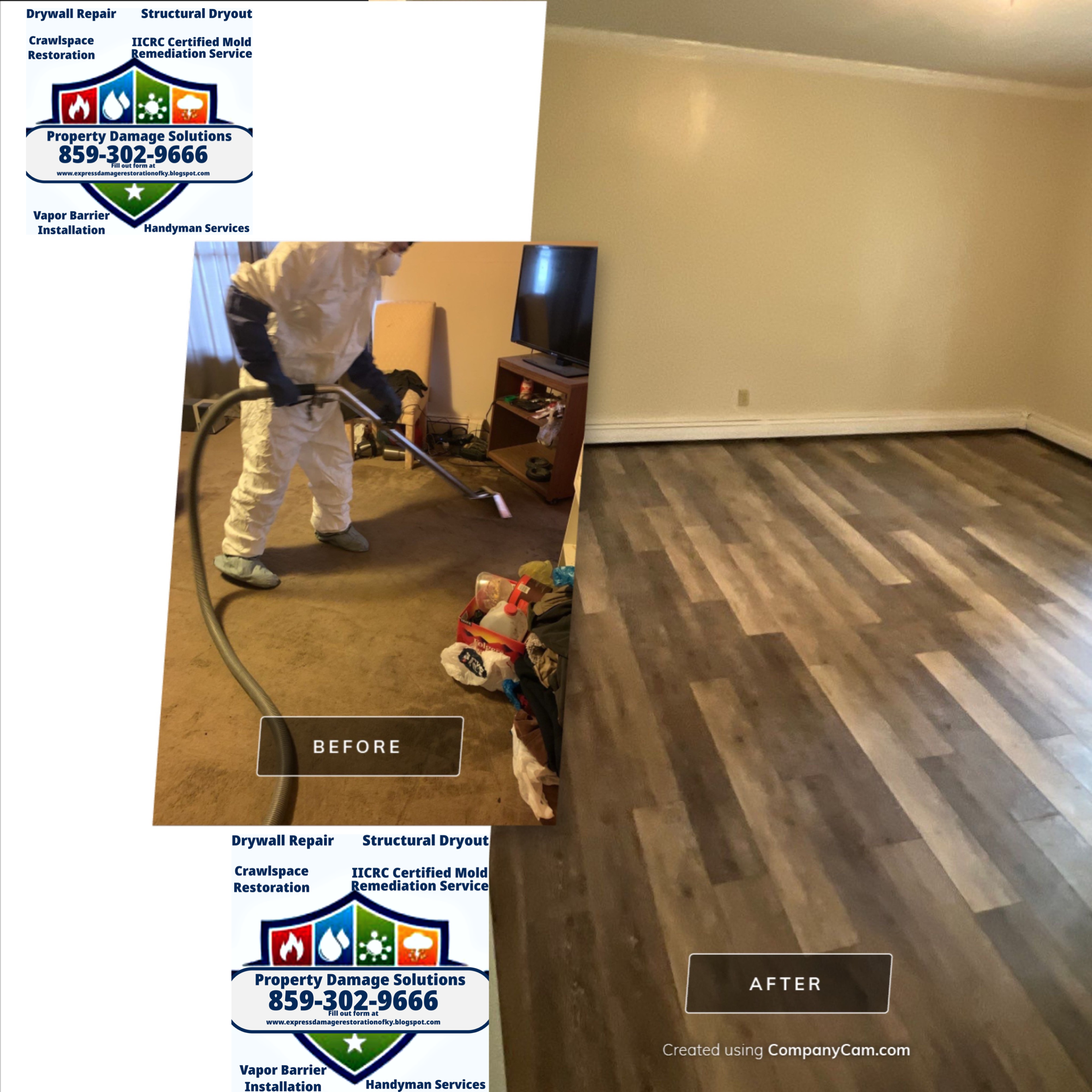
When disaster strikes, swift action is crucial to minimize damage and restore normalcy. At Property Damage Solutions, we specialize in emergency water extraction services for basements and crawlspaces in Richmond, Kentucky, and surrounding areas of central Kentucky. With our prompt response and expertise, we’ll help you mitigate water damage effectively, ensuring your property is restored to its pre-loss condition.
Expert Water Extraction Services
Our team of skilled professionals is equipped with state-of-the-art equipment and industry-leading techniques to tackle water emergencies of any scale. Whether it’s a burst pipe, flooding, or any other water-related catastrophe, we’re here to provide swift and efficient water extraction services.
Comprehensive Assessment and Planning
Upon arrival at your property, our certified technicians will conduct a thorough assessment of the water damage. We’ll determine the extent of the damage and formulate a tailored plan to address the situation effectively. Our goal is to minimize disruption to your life and property while ensuring thorough water extraction and drying.
Advanced Equipment and Techniques
At Property Damage Solutions, we utilize advanced water extraction equipment, including powerful pumps, extractors, and dehumidifiers, to remove water quickly and efficiently. Our team is trained in the latest techniques for water removal and structural drying, ensuring that your property is dried thoroughly to prevent mold growth and structural damage.
24/7 Emergency Response
Water emergencies can happen at any time, day or night. That’s why we offer 24/7 emergency response services to our clients in Richmond, Kentucky, and the surrounding areas. You can count on us to be there when you need us the most, ready to provide immediate assistance and peace of mind.
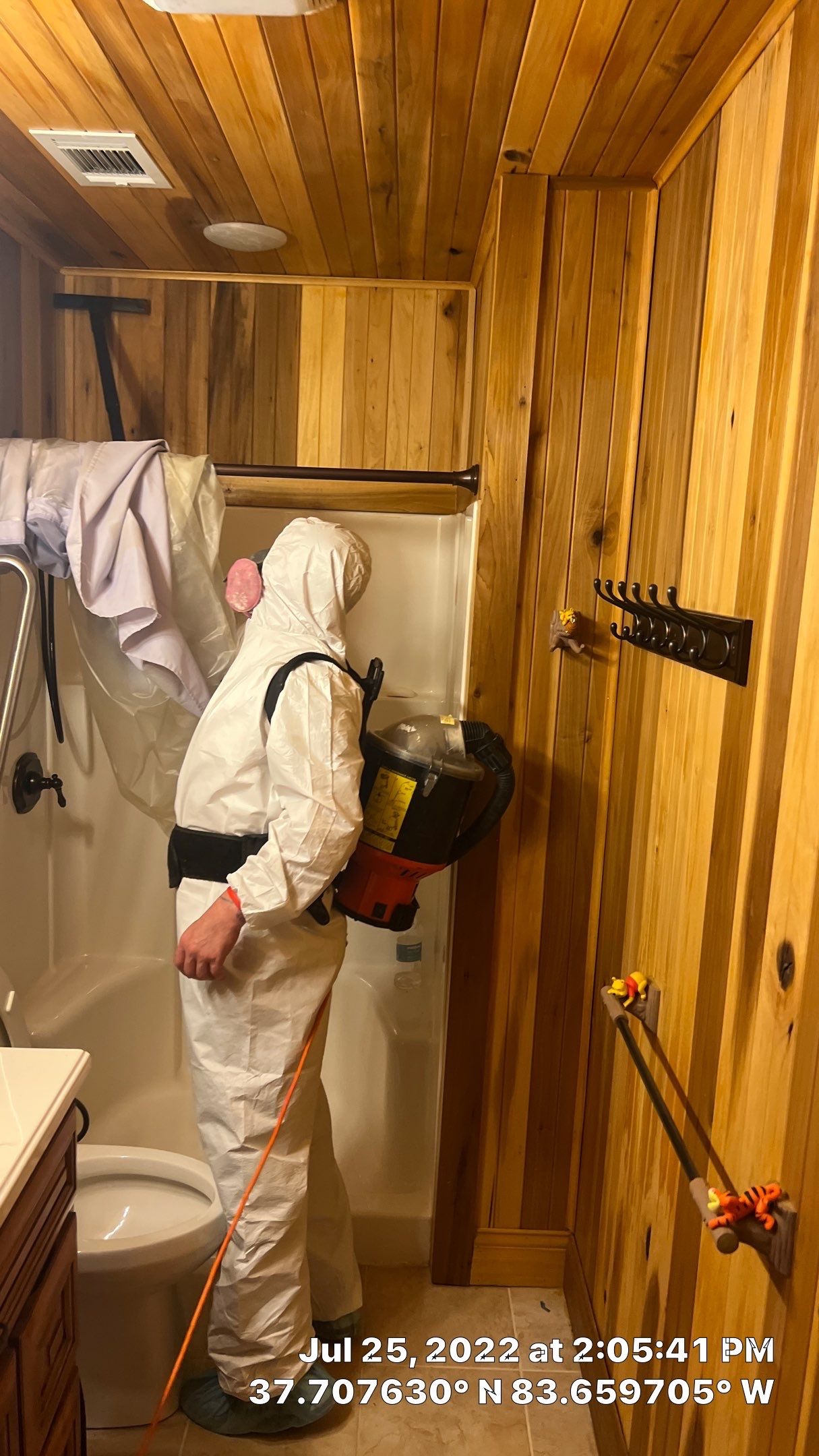
Licensed, Bonded, and Insured
Property Damage Solutions is a licensed, bonded, and insured water damage restoration company. We adhere to the highest industry standards and regulations to ensure the safety and satisfaction of our clients. With us, you can rest assured that your property is in capable hands.
Contact Us Today
 Call ☎️ 859-302-9666
Don’t let water damage wreak havoc on your property. If you’re facing a water emergency in your basement or crawlspace, don’t hesitate to contact Property Damage Solutions at 859-302-9666. Our team is standing by to provide prompt, professional assistance and help you restore your property to its former glory.
-
How Does A.T.P testing work

The following article explains; How Does A.T.P testing work.
ATP (Adenosine Triphosphate) testing is a method used to determine the presence of biological contamination, such as bacteria, yeast, or mold, in a sample. The test works by measuring the amount of ATP (a molecule found in all living cells) in a sample using a luminometer.

A.T.P Testing With A Luminometer Typically, the sample is mixed with a reagent called luciferin, which reacts with ATP to produce light. The amount of light produced is proportional to the amount of ATP present in the sample. The light emission is then measured by the luminometer, and the result is reported in relative light units (RLU). High RLU values indicate high levels of ATP and therefore high levels of biological contamination.
ATP testing is widely used in a variety of industries, including food safety, environmental monitoring, and healthcare, as a quick and simple way to assess the level of hygiene and cleanliness in a given area.
-
lexington, kentucky, mold damage, mold inspection company, mold remediation, mold removal, richmond,Kentucky, Water Damage, water damage cleanup, water damage cleanup company, water damage mitigation, water damage mitigation company, water damage restoration, water removal service near me, water restoration company
How to thaw frozen pipes

For emergency water removal call ☎️ (859)302-2702
Old man winter is unbearable as it is, water damage from burst frozen pipes in the middle of it can be a nightmare. Should your pipes freeze, the following will give you tips on how to thaw frozen pipes.
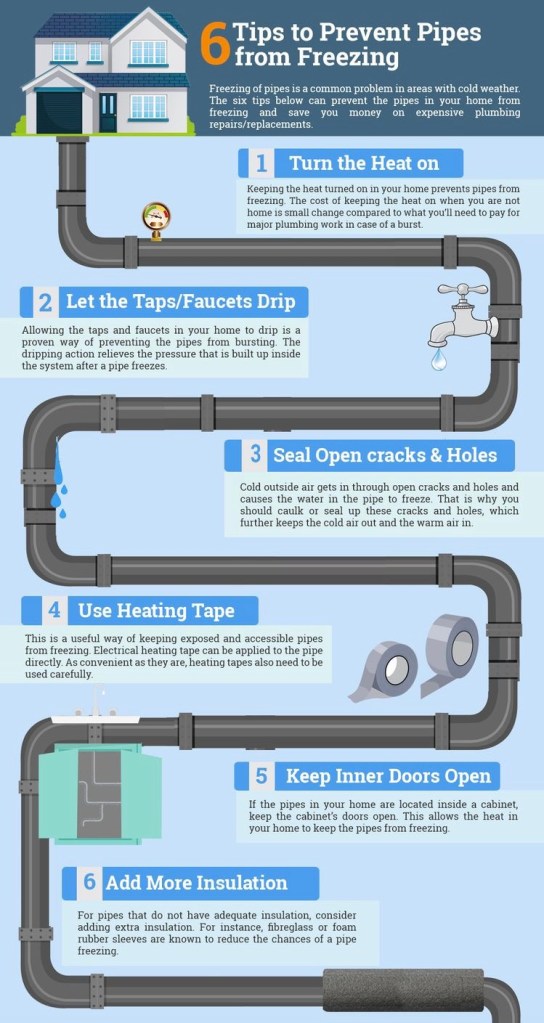
Tips on thawing frozen water pipes to parent water damage Thawing Frozen Pipes
What to do if a pipe bursts
https://www.lex18.com/news/unprecedented-number-of-water-pipes-break-in-lexington?_amp=true
If a pipe bursts in your home, you’ll need to act fast to mitigate additional damage. Shut off your water as quickly as possible. This will help minimize the amount of water that seeps out inside your walls. You may also want to shut off power in the affected area of your home. After you’ve taken these precautionary steps, it’s time to call a plumber and start mopping up any mess that’s been caused. Try to remove as much of the water and lingering moisture as you can to avoid mold and mildew buildup. Depending on the severity of your case, you may also need to bring in other professionals to address damage to your walls, carpet, flooring or ceiling.
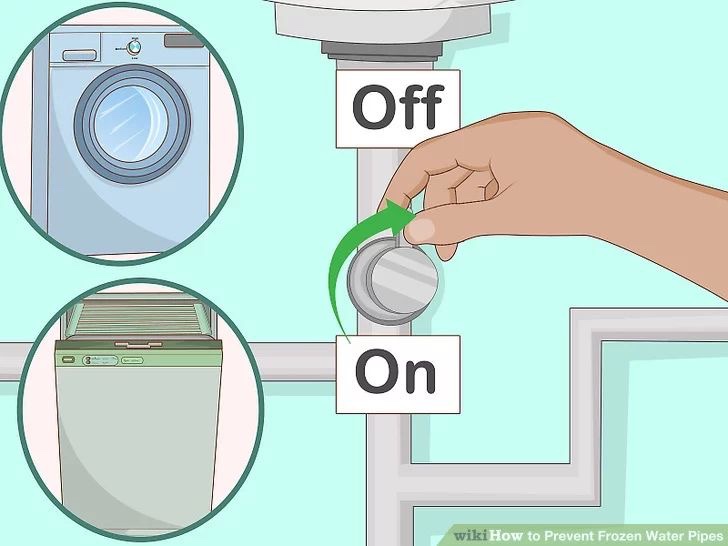
Shit water off to prevent water damage in case a pipe bursts How to thaw out pipes
How can you tell if your pipes are frozen? If you turn on the bathroom or kitchen faucet and see only a few drops or a trickle of water, this could indicate that water inside the pipes has frozen – preventing a free flow. But don’t panic. You may be more equipped to deal with the situation than you think. Here’s a quick lesson on how to thaw a frozen pipe.
Step 1. Turn on the faucet
Keep it running. Allowing the faucet to drip even slightly can help prevent a pipe from bursting. It’s simple – when freezing takes place, extreme pressure builds between the faucet and the ice blockage. An open faucet relieves this pressure buildup, in turn preventing a burst from occurring.
Step 2. Apply heat to the frozen area, thermal energy promotes drying.
Slowly apply heat using a hair dryer. There are several ways to do this. You can wrap the pipes in thermostatically controlled heat tape, or you can use an external heat source such as a hair dryer or space heater. Do not use a propane torch as this can damage the pipe and present a fire risk.
If you decide to use a hair dryer, begin directing air close to the faucet end of the pipe and gradually move toward the coldest section. Be careful not to overheat the hair dryer or blow a fuse. Remember, the faucet should be left on while heat is being applied.
Step 3. Continue to apply heat
Don’t stop heating until full water pressure is restored. Even then, it’s a good idea to leave the faucet open for a few minutes after the pipe is thawed. This will give the ice time to completely clear from the line.
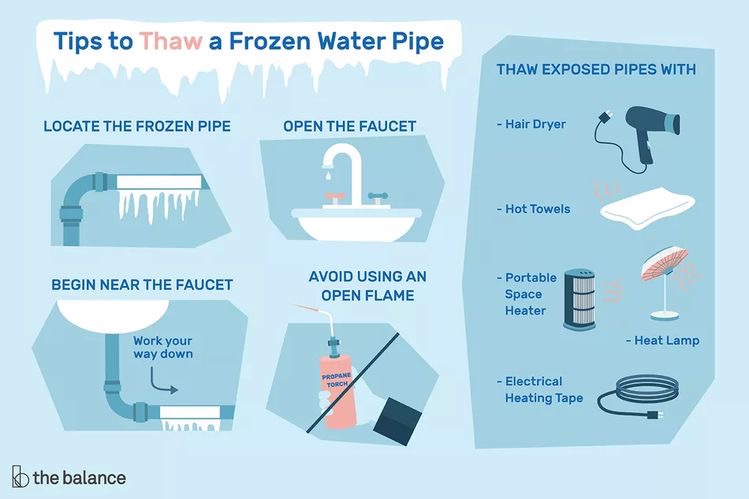
Ways to thaw frozen pipes Step 4. Check all faucets and prevent pipes from freezing in the future
Check each faucet in your home for any other frozen pipes. One frozen pipe may mean that others have been affected as well.
If the problem persists, contact a plumber. You can prevent pipes from freezing again by taking a few simple steps:
Before traveling, keep the temperature in your home above freezing and turn off all the water to your house.
Be sure to keep all water pipes, especially those close to outside walls, insulated with foam rubber or heating cable.
Keep cabinet doors open to allow air to circulate.
Let your faucets drip cold water – it is harder for a pipe to freeze even if there is a trickle of water flowing through. In order to not waste water, you can collect the drops and reuse it, possibly for cleaning or watering plants.
How long does it take for pipes to unfreeze?
Using any of the handful of methods on how to thaw frozen pipes will typically take about 30 minutes. This can vary depending on the weather, how long the pipe has been frozen and where the pipe is located. Any of these factors can cause the thawing process to take longer.2
And remember, a frozen pipe isn’t the only issue that comes with cold weather. Find out other ways to protect your home during the winter.
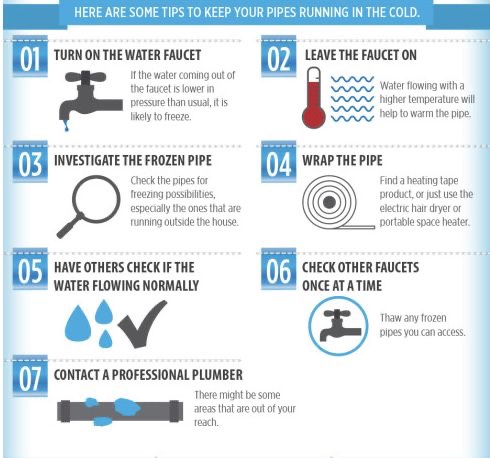
Ways to prevent frozen pipes Quick tip on drying if you have a pipe burst, find out the GPP (grains per pound) inside your home and then outside, you can do this by purchasing a thermometer hydrometer. If the gpp is lower outside than inside, then you can dry your home with what is known in the water damage restoration industry as “an open drying system. Click to check out our mold damage prevention tips there is more tips on how to dry a house out after water damage without water damage restoration equipment.
-
Lexington, KY
Lexington is the second-largest city in Kentucky and the county seat of Fayette County. By population, it is the 57th-largest city in the United States, and by land area, is the country’s 28th-largest city. Known as the “Horse Capital of the World”, it is the heart of the state’s Bluegrass region. Notable locations in the city include the Kentucky Horse Park, The Red Mile and Keeneland race courses, Rupp Arena, Transylvania University, the University of Kentucky, and Bluegrass Community and Technical College.
As of the 2020 census the population was 322,570, anchoring a metropolitan area of 516,811 people and a combined statistical area of 747,919 people. Lexington is consolidated entirely within Fayette County, and vice versa. It has a nonpartisan mayor-council form of government, with 12 council districts and three members elected at large, with the highest vote-getter designated vice mayor.
-
Water Damage Mitigation Companies In Lexington, Ky 4017
Excessive snow on the roof, condensation in the attic and ice buildup can cause roof & water damage and personal injury.
While stopping a water leak or repairing a washing machine hose down in the basement might be fairly straightforward, snow on the roof, ice dams and attic condensation are forms of water damage typical to cold climate homes and are a little more complicated and a little trickier to fix.
Why is excessive snow on your roof a concern? What are ice dams? What causes attic condensation? And if you’ve had these, what can you do?
Why should you worry about snow on the roof?
Heavy loads of ice and snow on your roof can create serious problems. These include:
- Injuries from snow and ice falling from sloped roofs.
- Roof collapse, especially on flat roofs.
- Carbon monoxide poisoning resulting from blocked chimneys and vents.
- Water damage from ice dams that form on the edges of roofs and in gutters.
What are ice dams?
When the temperature in your attic is above freezing, snow on the roof will likely melt. When the snowmelt runs down the roof and hits the colder eaves, it refreezes.
If this cycle repeats over several days, the freezing snowmelt builds up and forms an ice dam, behind which water pools into large puddles, or “ponds”. The ponding water can then back up under the roof covering and leak into the attic or along exterior walls.
The right weather conditions for ice dams are usually when outside air temperatures are in the low 20s (°F) for several days with several inches of snow on the roof.
What causes condensation in your attic?
Condensation of water vapor on cold surfaces in attics can cause wood to rot, which can lead to costly repairs.
Attic condensation typically occurs when warm, moist air migrates or is directed into the attic from living spaces below. Research indicates unusually high humidity in the home’s living spaces is strongly associated with attic condensation problems.
Winter water damage warning signs to watch for
Recognize the signs of stress when too much snow and ice has accumulated on your roof or when you have too much condensation in your attic. Here are a few things to watch for.
- Sagging ridgeline
- Drooping ceilings
- Water leaks on interior walls and ceilings
- Jammed doors
- Cracked interior walls near the center of your home
- Creaking sounds
Condensation, snow on roof and ice dam prevention tips
Building codes have some requirements that attempt to prevent the problems of ice dams and attic condensation. But codes don’t address all the issues, and many houses could have out of date building codes.
- Bathroom and kitchen exhaust fans, as well as dryer vents, should never be discharged into the attic space and always discharge outside. You may have an adequately ventilated attic, but this won’t matter if the bathroom exhaust fan dumps warm moist air directly into the attic space. This could result in condensed water vapor freezing onto cold attic materials, which will eventually thaw creating wet attic materials resulting in damage in the attic and inside the home.
- Minimize ceiling mounted fixtures below the attic that create the need for holes in the drywall or plaster ceiling. Properly seal ceiling penetrations to make them airtight taking care to follow manufacturer clearance requirements for flues, chimneys and recessed light fixtures.
- Research shows keeping the attic air temperature below freezing when the outside air temperature is in the low 20s can reduce the occurrence of ice dams. Proper attic ventilation is key to keeping the attic cool, while adequate and properly installed insulation is key to keeping your house warm. It is critical to keep soffit vents free from obstructions to allow the natural flow of cool outside air into the attic space to replace the warmer attic air that rises and flows outside the ridge and/or roof vents. This flow of air will keep the attic cool and free of moisture build-up.
Removing ice and snow from your roof is a dangerous job. Avoid injury by hiring a professional to remove snow and ice from the roof and fix the problem before it leads to property damage and expensive repairs. Here are some tips to keep in mind.
- Add insulation to your attic to help prevent your home’s warm air from escaping into unheated attic spaces.
- If replacing your home’s roof, have a self-sealing membrane installed under the shingles to help prevent water damage from ice dams.
- On metal roofs, install snow guards above entrances.
What not to do
While it might be tempting to try a quick fix to break up that ice dam, don’t get too eager; not only is it dangerous on your roof, but you can also cause a lot of damage, especially in the colder months. Here are some things to consider.
- Do not routinely remove snow from the roof or attempt to “chip away” the ice of an ice dam. It will likely lead to shingle damage.
- Do not install large mechanical equipment or water heaters in attics, especially in cold climates. Not only do they present an unwelcome fire hazard, but they’ll also increase the temperature in your attic.
- Do not routinely use salt or calcium chloride to melt snow on a roof. These chemicals are very corrosive and can shorten the life of metal gutters, downspouts and flashings. Runoff that contains high concentrations of these chemicals can damage nearby grass and plants.
What to do
- Follow up with your new home or home-improvement contractor to be sure that insulation in the attic space is adequate for your location.
- Verify soffit and roof or ridge venting exists for all roof planes and that soffit vents are neither blocked by attic insulation nor covered by newly installed maintenance free finishes outside the home.
- Verify all penetrations, access panels and electrical fixtures are properly sealed and insulated to prevent heat and moisture from entering the attic space, while maintaining manufacturer’s required clearances.
- Verify all exhaust fans and dryer vents are discharged to the outside.
- Keep gutters clean of leaves and other debris. This will not necessarily prevent ice dams, but clean gutters can help drain away ice melt as it makes its way to the gutters during a thaw.
- Follow up a short-term ice dam remedy with determining and fixing the actual cause to your ice dam problem. Consult a trusted and competent professional.insulation to your attic https://g.co/kgs/5v6dYVKeep gutters clean of leavesKeep gutters clean of leavesmetal roofsmetal roofs
Express Damage Restoration would love your feedback. Post a review to our profile.Water damage restoration company, Lexington, Ky 40517
Winter water damage from ice dams, attic condensation & more
-
Water Damage Mitigation https:// water damage restoration

Water damage describes various possible losses caused by water intruding where it will enable attack of a material or system by destructive processes such as rotting of wood, mold growth, bacteria growth, rusting of steel, swelling of composite woods, de-laminating of materials such as plywood, etc.
The damage may be imperceptibly slow and minor such as water spots that could eventually mar a surface, or it may be instantaneous and catastrophic such as burst pipes and flooding. However fast it occurs, water damage is a major contributor to loss of property.
An insurance policy may or may not cover the costs associated with water damage and the process of water damage restoration. While a common cause of residential water damage is often the failure of a sump pump, many homeowner’s insurance policies do not cover the associated costs without an addendum which adds to the monthly premium of the policy. Often the verbiage of this addendum is similar to “Sewer and Drain Coverage”.
In the United States, those individuals who are affected by wide-scale flooding may have the ability to apply for government and FEMA grants through the Individual Assistance program.[1] On a larger level, businesses, cities, and communities can apply to the FEMA Public Assistance program for funds to assist after a large flood. For example, the city of Fond du Lac Wisconsin received $1.2 million FEMA grant after flooding in June 2008. The program allows the city to purchase the water damaged properties, demolish the structures, and turn the former land into public green space.[citation needed]

Water damage describes various possible losses caused by water intruding where it will enable attack of a material or system by destructive processes such as rotting of wood, mold growth, bacteria growth, rusting of steel, swelling of composite woods, de-laminating of materials such as plywood, etc.
The damage may be imperceptibly slow and minor such as water spots that could eventually mar a surface, or it may be instantaneous and catastrophic such as burst pipes and flooding. However fast it occurs, water damage is a major contributor to loss of property.
An insurance policy may or may not cover the costs associated with water damage and the process of water damage restoration. While a common cause of residential water damage is often the failure of a sump pump, many homeowner’s insurance policies do not cover the associated costs without an addendum which adds to the monthly premium of the policy. Often the verbiage of this addendum is similar to “Sewer and Drain Coverage”.
In the United States, those individuals who are affected by wide-scale flooding may have the ability to apply for government and FEMA grants through the Individual Assistance program.[1] On a larger level, businesses, cities, and communities can apply to the FEMA Public Assistance program for funds to assist after a large flood. For example, the city of Fond du Lac Wisconsin received $1.2 million FEMA grant after flooding in June 2008. The program allows the city to purchase the water damaged properties, demolish the structures, and turn the former land into public green space.[citation needed]
Categories[edit]
There are three basic categories of water damage, based on the level of contamination.
Category 1 Water – Refers to a source of water that does not pose substantial threat to humans and classified as “clean water“. Examples are broken water supply lines, tub or sink overflows or appliance malfunctions that involves water supply lines.
Category 2 Water – Refers to a source of water that contains a significant degree of chemical, biological or physical contaminants and causes discomfort or sickness when consumed or even exposed to. Known as “grey water“. This type carries microorganisms and nutrients of micro-organisms. Examples are toilet bowls with urine (no feces), sump pump failures, seepage due to hydrostatic failure and water discharge from dishwashers or washing machines.
Category 3 Water – Known as “black water” and is grossly unsanitary. This water contains unsanitary agents, harmful bacteria and fungi, causing severe discomfort or sickness. Type 3 category are contaminated water sources that affect the indoor environment. This category includes water sources from sewage, seawater, rising water from rivers or streams, storm surge, ground surface water or standing water. Category 2 Water or Grey Water that is not promptly removed from the structure and or have remained stagnant may be re classified as Category 3 Water. Toilet back flows that originates from beyond the toilet trap is considered black water contamination regardless of visible content or color.[5]
Classes[edit]
Class of water damage is determined by the probable rate of evaporation based on the type of materials affected, or wet, in the room or space that was flooded. Determining the class of water damage is an important first step, and will determine the amount and type of equipment utilized to dry-down the structure.[6]
Class 1 – Slow Rate of Evaporation. Affects only a portion of a room. Materials have a low permeance/porosity. Minimum moisture is absorbed by the materials. **IICRC s500 2016 update adds that class 1 be indicated when <5% of the total square footage of a room (ceiling+walls+floor) are affected **
Class 2 – Fast Rate of Evaporation. Water affects the entire room of carpet and cushion. May have wicked up the walls, but not more than 24 inches. **IICRC s500 2016 update adds that class 2 be indicated when 5% to 40% of the total square footage of a room (ceiling+walls+floor) are affected **
Class 3 – Fastest Rate of Evaporation. Water generally comes from overhead, affecting the entire area; walls, ceilings, insulation, carpet, cushion, etc. **IICRC s500 2016 update adds that class 3 be indicated when >40% of the total square footage of a room (ceiling+walls+floor) are affected **
Class 4 – Specialty Drying Situations. Involves materials with a very low permeance/porosity, such as hardwood floors, concrete, crawlspaces, gypcrete, plaster, etc. Drying generally requires very low specific humidity to accomplish drying.
Restoration[edit]
Water damage restoration can be performed by property management teams, building maintenance personnel, or by the homeowners themselves; however, contacting a certified professional water damage restoration specialist is often regarded as the safest way to restore water damaged property. Certified professional water damage restoration specialists utilize psychrometrics to monitor the drying process.[7]
Standards and regulation[edit]
While there are currently no government regulations in the United States dictating procedures, two certifying bodies, the Institute of Inspection Cleaning and Restoration Certification (IICRC) and the RIA, do recommend standards of care. The current IICRC standard is ANSI/IICRC S500-2015.[8] It is the collaborative work of the IICRC, SCRT, IEI, IAQA, and NADCA.
Fire and Water Restoration companies are regulated by the appropriate state’s Department of Consumer Affairs – usually the state contractors license board. In California, all Fire and Water Restoration companies must register with the California Contractors State License Board.[9] Presently, the California Contractors State License Board has no specific classification for “water and fire damage restoration.”
Procedures[edit]
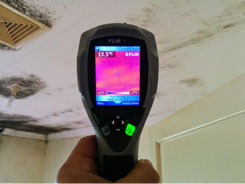
Water damage restoration is often prefaced by a loss assessment and evaluation of affected materials. The damaged area is inspected with water sensing equipment such as probes and other infrared tools in order to determine the source of the damage and possible extent of areas affected. Emergency mitigation services are the first order of business. Controlling the source of water, removal of non-salvageable materials, water extraction and pre-cleaning of impacted materials are all part of the mitigation process. Restoration services would then be rendered to the property in order to dry the structure, stabilize building materials, sanitize any affected or cross-contaminated areas, and deodorize all affected areas and materials. After the labor is completed, water damage equipment including air movers, air scrubbers, dehumidifiers, wood floor drying systems, and sub-floor drying equipment is left in the residence. The goal of the drying process is to stabilize the moisture content of impacted materials below 15%, the generally accepted threshold for microbial amplification. Industry standards state that drying vendors should return at regular time intervals, preferably every twenty-four hours, to monitor the equipment, temperature, humidity, and moisture content of the affected walls and contents.[5]




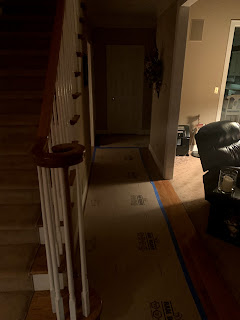
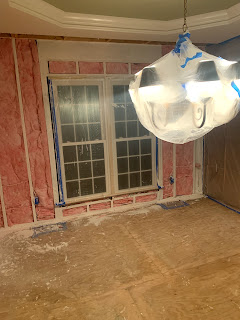
 The NAU Water Damage Restoration guideline was developed to ensure that all water incursions are handled in a professional manner which includes the latest information / procedures available. Every effort will be made to ensure the health and safety of all NAU faculty, students, staff and visitors to the campus in a timely fashion. Goal Guidelines, procedures and standards have been established not only to ensure the safety of everyone on campus but also to include every means available to promote the preservation, replacement and/or repair of University property according to standards / recommendations contained in the Institute of Inspection Cleaning and Restoration Certification (IICRC) S500 Standard and Reference Guide for Professional Water Damage Restoration. For prolonged water incursion events that lead to the formation of mold growth, remediation efforts shall follow the IICRC Standard for Professional Mold Remediation (S520). Typically an outside contractor that is trained and familiar with the IICRC remediation protocols is retained to perform water, mold and sewage restoration efforts due to the amount of training, vaccination, personal protective equipment (PPE), and other safety requirements associated with the work activities. University personnel that are familiar with water extraction/cleanup activities may assist with small isolated clean water, or Category 1 water, restoration activities if it is safe to do so but should check with their supervisor or NAU Regulatory Compliance. Flood Category Definitions Certain terms and definitions associated with water damage restoration exist. The following are definitions of terms used: Category 1 Water – Water originating from a source that does not pose substantial harm to humans. Category 1 water is also referred to as “clean water.” Examples of clean water sources may include, but are not necessarily limited to the following: • Broken domestic water supply lines; • Tub or sink overflows with no contaminants; • Appliance malfunctions involving domestic water supply lines; • Melting ice or snow; • Falling rainwater; and • Broken toilet tanks and toilet bowls that do not contain contaminants or additives. Clean water that has contact with structural surfaces and content materials may deteriorate in cleanliness as it dissolves or mixes with soils and other contaminants, and as time elapses. Category 2 Water – Water containing a significant degree of chemical, biological and/or physical contamination and having the potential to cause discomfort or sickness if consumed by or exposed to humans. Category 2 water is also referred to as “gray water.” Gray water carries microorganisms and nutrients for microorganisms. Examples of gray water sources may include, but are not necessarily limited to the following: • Discharge from dishwashers or washing machines; • Overflows from toilet bowls with some urine (no feces) • Sump pump failures; • Seepage due to hydrostatic pressure; • Chilled and condensate water; and • Fire Protection Sprinkler Water. Gray water may contain chemicals, biocontaminants (fungal, bacterial, viral algae) and other forms of contamination including physical hazards. Time and temperature aggravate category 2 water contamination levels significantly. Gray water in flooded structures that remains untreated for longer than 48 hours may change to category 3 – black water. Category 3 Water – Grossly unsanitary water containing pathogenic agents, arising form sewage or other contaminated water sources and having the likelihood of causing discomfort or sickness if consumed or exposed to humans. Black water includes sewage and other contaminated water sources entering or affecting the indoor environment. Category 2 water that is not removed promptly from the structure may be reclassified as category 3 water. Toilet back flows that originated beyond the toilet trap are considered black water contamination, regardless of visible content or color. Category 3 water includes, but is not necessarily limited to all forms of flooding from: • Sewage/rainwater mixed; and • Rising water from rivers or streams. Such water sources carry silt and organic matter into structures and create black water conditions. Restoration Guidelines & Criteria Excess Water Removal – Excess water removal is essential as the beginning point of restoration procedures. Removal of excess water may be achieved by physical means such as mopping or soaking up excess moisture from hard surfaces or furnishings. However, water removal usually involves the use of more sophisticated techniques and equipment such as pumps, or specially designed commercial wet vacuuming equipment. Evaporation – Once excess water is removed, remaining water must be changed from a liquid to a vapor by promoting evaporation. Normally, this is accomplished efficiently with specialized air-moving equipment. Dehumidification – Once moisture is evaporated from structural materials and contents into the air, the moisture must be removed from the air through dehumidification, or it must be externally exhausted. Failure to dehumidify may result in substantial secondary damage and present a significant health hazard. Temperature Control – Both evaporation and dehumidification are greatly enhanced by controlling the temperature in a confined environment. Additionally, microorganisms’ growth is temperature related. Thus, temperature modification and control is an important basic principle for safe, effective drying. Monitoring – The damaged structure must be monitored starting with the initial assessment and evaluation, and continuing throughout the restoration process. Monitoring procedures may include, but are not limited to the following: • Temperature and humidity readings; • Updating drying progress status; and • Checking the moisture content of structural wood and other materials with a moisture meter. When applicable, monitoring also must include checking equipment operation, work progress and indoor environment quality. Drying Standards have been developed and are presented in Appendix A. Inspection – Following the removal of excess water, a detailed inspection must be conducted that considers the extent of water migration, the types and quantities of affected materials and the degree of apparent damage. The information obtained may be used to analyze the extent of damage and to determine the job scope. Professional testing equipment and the principals of psychrometry must be used to formulate a plan to dry and restore, or replace both structural materials and contents. A comprehensive inspection may include, but is not necessarily limited to, the following: • Identifying and evaluating health and safety hazards; • Determining the source of water; • Determining the need to protect floor covering materials and contents; • Determining the extent of moisture intrusion; • Determining the job scope; • Evaluating flooring materials; • Evaluating inventories and/or contents items; • Evaluating the HVAC system if affected; • Assess other structural materials (walls, ceilings, etc.); • Documenting preexisting conditions not related to the current loss (wear, urine contamination, delamination, etc.); and • Establishing drying goals. If the inspection conclusions require that any materials be removed, the project manager, building manager, or other responsible party is responsible to providing information regarding the presence of asbestos to the restoration contractor. This information is ONLY available through the Asbestos Program Office (3- 6435). In addition, the contractor must receive, sign, and return a job-specific FS-13 form prior to the start of work or any change in the scope of work. This document is an auditable document required by purchasing in order to process payment for any work performed by contractors on the NAU campus. Floor covering evaluation – It is recommended that a determination be made as to whether floor covering materials (e.g. carpet, cushion, vinyl, wood, laminates) are salvageable. Considerations may include, but are not necessarily limited to the following: • Construction integrity; and • Porosity and potential health effects from contaminants. Disposition of floor coverings and the ability to salvage them will be determined according to the appended Drying Standards. Structural Materials – Throughout the restoration process, it is highly recommended that effort is directed toward anticipating secondary damage and attending to other structural components that may require drying, or demolition and replacement. This is especially important if water remains in contact with building materials longer than 24 hours, such as water on flooring in contact with gypsum board. These components may include, but are not necessarily limited to the following: • Ceilings • Walls • Built-in furnishings and fixtures • Insulation • Structural wood Occupant Evacuation – For areas with extensive water damage, determine if occupants need to be evacuated from the damaged area, and, if so, estimate the duration of time. Factors used to make this determination may include, but are not necessarily limited to the following: • Type of contamination (e.g., Category 1,2, or 3 water); • Obvious indications of high levels of microbiological or chemical contamination; and, • Presence of occupants who are immunocompromised or have mold allergies, asthma or other applicable medical conditions. Technician Training – Technicians performing category 2 water (gray water) and category 3 water (black water) damage restoration must be trained in risks of exposure and procedures for safe cleanup of these materials. Personal Protection – Persons working in or around Category 3 water during the initial stage of decontamination, cleaning and biocide application must be equipped with personal protective equipment (PPE) including but not necessarily limited to the following: • Rubber gloves • Eye protection • Protective suit • Rubber boots An evaluation must be made to determine the necessity for respiratory protection. In the case of overhead hazards or contamination, hard hats must also be worn. APPENDIX A – DRYING AND REMEDIATION STANDARDS Criteria for determining when Building Materials are “Dry” The underlying principles that guided the development of these standards were: 1. The ambient conditions must be stabilized and be able to be held at normal room conditions; 2. The building materials must be returned to their equilibrium moisture content to prevent the active growth of fungal organisms; and 3. The building materials must be returned to their pre-loss moisture state. When these three criteria are met, a building can be considered dry. Drying services shall be considered sufficient when the following three conditions have been achieved. 1. The interior ambient conditions are at or better than normal room conditions (50%RH @ 70° F); 2. The moisture in the building materials themselves will not support the active growth of mold and mildew; and 3. The building materials and contents will finish returning to equilibrium with normal room conditions by themselves without further damage to them. Hardwood Floors – For the purposes of this Standard, drying services on a hardwood floor shall be considered sufficient when all four of the following conditions are met. 1. The moisture content (MC) of the wood is decreasing. 2. All affected wood is within 2.5% of its normal moisture content as determined by actual measurement in a control point elsewhere on the same floor. 3. The differential of MC in wood from the top ¼” to the bottom ¼” is no more than 1%. 4. The building environment is stabilized and the existing HVAC system is capable of maintaining normal room conditions. Drywall – Drying services for drywall will be provided by an outside contractor. If drying procedures are not initiated within 48 hours of the initial water loss or dried within 72 hours, all wet drywall should be replaced. For the purposes of this Standard, drying services on drywall shall be considered sufficient when all four of the following conditions are met: 1. The moisture content of the drywall is decreasing. 2. All affected drywall is within 10% of its normal moisture content as determined by actual measurement in a control point elsewhere in the same building. (Example: Taking several readings in unaffected areas of drywall showed that the MC that should be expected in the building is 14%. Therefore, the maximum reading at the end of the job should be no more than 24 %.) 3. The differential of MC in wood from the top ¼” to the bottom ¼” is no more than 1%. 4. The building environment is stabilized and the existing HVAC system is capable of maintaining normal room conditions. Concrete Block – For the purposes of this Standard, drying services on concrete block shall be considered sufficient when all four of the following conditions are met: 1. The moisture content of the concrete block is decreasing. 2. All affected concrete block is within 10% of its normal moisture content as determined by actual measurement in a control point elsewhere in the same building. (Example: Taking several readings in unaffected areas of concrete block showed that the MC that should be expected in the building is 10%. Therefore the maximum reading at the end of the job should be no more than 20%). 3. 95% of the affected concrete block area meets criteria 1 & 2. 4. The building environment is stabilized and the existing HVAC system is capable of maintaining normal room conditions. Plaster – For the purposes of this Standard, drying services on plaster shall be considered sufficient when all four of the following conditions are met: 1. The moisture content of the plaster is decreasing. 2. All affected plaster is within 10% of its normal moisture content as determined by actual measurement in a control point elsewhere in the same building. (Example: Taking several readings in unaffected areas of plaster showed that the MC that should be expected in the building is 10%. Therefore the maximum reading at the end of the job should be no more than 20%). 3. 95% of the affected plaster area meets criteria 1 & 2. 4. The building environment is stabilized and the existing HVAC system is capable of maintaining normal room conditions. Concrete – For the purposes of this Standard, drying services on concrete shall be considered sufficient when all four of the following conditions are met: 1. The moisture content of the concrete is decreasing. 2. All affected concrete is within 10% of its normal moisture content as determined by actual measurement in a control point elsewhere in the same building. (Example: Taking several readings in unaffected areas of concrete showed that the MC that should be expected in the building is 10%. Therefore the maximum reading at the end of the job should be no more than 20%). 3. 95% of the affected concrete area meets criteria 1 & 2. 4. The building environment is stabilized and the existing HVAC system is capable of maintaining normal room conditions. Carpeting – For the purposes of this Standard, drying services on carpeting may be effective if the following conditions are met: 1. The carpet is not wet with Category 1 or 2 water for more than 48 hours. 2. The carpet is not wet with Category 3 (black) water for any amount of time. 3. The building environment is stabilized and the existing HVAC system is capable of maintaining normal room conditions. 4. If 1 and 2 are not met, the carpet must be removed and replaced. Carpeting shall be steam-cleaned/sanitized and thoroughly dry prior to reoccupancy. Insulation: For the purposes of this Standard, thermal insulation materials used in walls or ceilings cannot be adequately dried and reused. If insulation material is determined to be wet, it must be removed from the building. The area where it was installed must be thoroughly cleaned, disinfected and dried. New insulation may then be installed. APPENDIX B – FLOOD RESPONSE PROCEDURE Purpose To identify the proper response procedure for University and other personnel when water/sewage flood damage is reported. Response Procedures A. Notifications 1. Upon discovery of a flood, call FAST 3-4227 during normal business hours. After business hours and on weekends notify the Central Plant Operator (3- 6412). Provide information to the Operator regarding the location, intensity and type of flood (i.e., sewage, stormwater, plumbing line, etc.). The Operator will notify the On-Call Supervisor. The Supervisor will then notify appropriate NAU staff. Outside vendors* may be necessary if the scope of damage exceeds the capability of NAU resources-especially if sewage is involved. Outside Vendor Assist (24/7)……………………….Qualified Vendor List* Operations & Maintenance………………………….3-1660 NAU Police ……..………………….…………………3-3611 Custodial Services (small Category 1 water)……..3-6565 NAU Industrial Hygienist………………………..…..3-6109 or 3-6435 * Qualified vendor is one that has met minimum State requirements concerning Insurance. An emergency purchase request should be sent to Purchasing within twenty-four (24) hours after calling the outside vendor to assist. * A Damage Report should be submitted as soon as possible (for non-criminal damage) to initiate the insurance claim process. The Damage Report is located on the NAU “Police/University” website (https://www4.nau.edu/police/). The Damage Report is not a police report and will be issued a claim number by the Insurance Officer at Property and Liability Insurance Services. However, if the damage is due to vandalism/criminal damage, immediately contact NAU Police Dispatch, 523-3611, to file a police report. For additional information about filing a claim for damages, contact NAU’s Insurance Officer with Property and Liability Insurance Services (523-2009). B. Evacuation/Perimeter Control 1. In a situation where floods are uncontrolled or involve infectious waste or other hazards (electrical), staff may be instructed to evacuate the area by NAU Regulatory Compliance, appropriate Capital Assets and Services Staff, or other responders (NAU PD or outside contractor). 2. Perimeter control must be established by staff in the area with assistance from NAU Regulatory Compliance, Custodial Services, or other responders. 3. The remediation contractor will tape off affected areas and divert traffic in such a fashion to minimize public exposure to the affected areas. C. Pre-Restoration Action 1. Responders entering the affected areas will wear the appropriate personal protective equipment (i.e., impervious boots, impervious gloves, goggles, and face shield and protective clothing if splashing is likely). 2. Photographs should be retained for insurance documentation and submitted to the Insurance Officer, Property and Liability Insurance Services, as supporting documentation for the property damage claim. Please write the claim number on all supporting documentation sent. 3. Responders will establish a Decontamination Zone as follows: a. An approved disinfectant (see Definitions) shall be used to decontaminate equipment that is removed from the contaminated area. b. To control the spread of potentially infectious material to clean areas, all persons leaving the affected area shall walk across the Decontamination Zone barrier, which consists of: i. Disinfectant soaked disposable absorbent pads placed on a clean area of the floor, ii. Clean disposable absorbent pads damped with water placed on the clean side of the floor, iii. Clean, dry disposable absorbent pad placed at the end of the Decontamination Zone to dry material passing through. c. All materials used for remediation of the flood must either be decontaminated with an approved disinfectant prior to leaving the flood area or discarded. This includes all plumbing tools and reusable flood response equipment. D. Containment Materials 1. Responders shall maintain spill containment materials. 2. Responders shall place spill barriers around the affected areas in order to contain the flood from potential migration to unaffected areas. 3. Reusable spill barriers shall be decontaminated by responders with a disinfectant and returned to storage. E. Exposure Procedures 1. If university personnel or students have come in contact with sewage flood water, the following should occur: a. Remove contaminated clothing. b. Wash affected area with soap and water. c. Go to the Fronske Health Center for follow-up treatment. F. Asbestos Precautions 1. Because asbestos is present in various building materials of many buildings on campus, no disturbance including removal of flooring or wall materials may be conducted without prior authorization by the Asbestos Program Office. a. Contractors, building managers, project managers, or other responsible parties may contact the asbestos program office directly at 3-6435. b. Restoration Contractors must sign and return a copy of the NAU FS-13 form prior to the commencement of work. This is an auditable document which confirms that the contractor has received asbestos information pertinent to the project at hand. Purchasing requires this document to complete processing of payment for any work performed.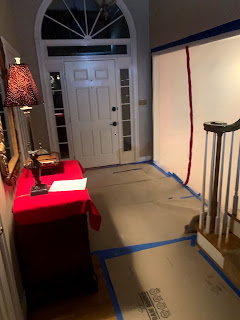
Mold (American English) or mould (British English), also sometimes referred to as mildew, is a fungal growth that develops on wet materials. Mold is a natural part of the environment and plays an important part in nature by breaking down dead organic matter such as fallen leaves and dead trees; indoors, mold growth should be avoided. Mold reproduce by means of tiny spores. The spores are like seeds, but invisible to the naked eye, that float through the air and deposit on surfaces. When the temperature, moisture, and available nutrient conditions are correct, the spores can form into new mold colonies where they are deposited.[1] There are many types of mold, but all require moisture and a food source for growth.
Health effects[edit]
Mycotoxins[edit]
Symptoms[edit]
Asthma[edit]
Causes and growing conditions[edit]
Hidden mold[edit]
Assessment[edit]
Sampling[edit]
Before sampling, a subsequent course of action should be determined.
Air sampling[edit]
Swab and surface sampling[edit]
Bulk and dust sampling[edit]
Remediation[edit]
Cleanup and removal methods[edit]
- Evaluation: Before remediation, the area is assessed to ensure safety, clean up the entire moldy area, and properly approach the mold. The EPA provides the following instructions:[8]
- HVAC cleaning: Should be done by a trained professional.[19]
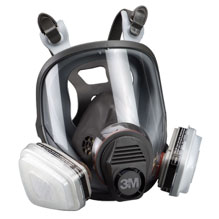
- Protective clothing: Includes a half- or full-face respirator mask. Goggles with a half-face respirator mask prevent mold spores from reaching the mucous membranes of the eyes. Disposable hazmat coveralls are available to keep out particles down to one micrometer, and protective suits keep mold spores from entering skin cuts. Gloves are made of rubber, nitrile, polyurethane, or neoprene.[8][18]
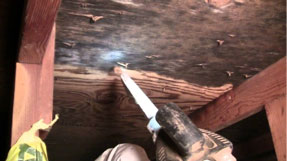
- Dry brushing or agitation device: Wire brushing or sanding is used when microbial growth can be seen on solid wood surfaces such as framing or underlayment (the subfloor).
- Dry-ice blasting: Removes mold from wood and cement; however, this process may spray mold and its byproducts into surrounding air.
- Wet vacuum: Wet vacuuming is used on wet materials, and this method is one of those approved by the EPA.[citation needed]
- Damp wipe: Removal of mold from non-porous surfaces by wiping or scrubbing with water and a detergent and drying quickly.
- HEPA (high-efficiency particulate air) vacuum: Used in remediation areas after materials have been dried and contaminated materials removed; collected debris and dust is stored to prevent debris release.
- Debris disposal: Sealed in the remediation area, debris is usually discarded with ordinary construction waste.
Equipment[edit]
Protection levels[edit]
- Level I: Small, isolated areas (10 square feet (0.93 m2) or less); remediation may be conducted by trained building staff;
- Level II: Mid-sized, isolated areas (10–30 square feet (0.93–2.79 m2)); may also be remediated by trained, protected building staff;
- Level III: Large, isolated areas (30–100 square feet (2.8–9.3 m2)): Professionals experienced in microbial investigations or mold remediation should be consulted, and personnel should be trained in the handling of hazardous materials and equipped with respiratory protection, gloves and eye protection;
- Level IV: Extensive contamination (more than 100 square feet (9.3 m2)); requires trained, equipped professionals
After remediation, the premises should be reevaluated to ensure success.
Residential mold prevention and control[edit]
See also
Richmond, Kentucky
History[edit]

Geography[edit]
Climate[edit]
Demographics[edit]
Government[edit]
Education[edit]
High schools[edit]
Higher education[edit]
Public library[edit]
Richmond has a lending library, a branch of the Madison County Public Library.[18]
Media[edit]
Newspaper[edit]
Radio stations[edit]
Transportation[edit]
Roads[edit]
Air[edit]
Cityscape[edit]
The 2,000-seat EKU Center for the Arts was completed in 2011 on Lancaster Avenue.[citation needed]
Notable people[edit]
- Daniel Boone (November 2, 1734 – September 26, 1820), born in Birdsboro, PA, he was an American pioneer who established Fort Boonesborough, in Madison County Kentucky along the Kentucky River
- Kit Carson, pioneer frontiersman, born near Richmond in Madison County, Kentucky, but raised in Franklin, Missouri
- Squire Boone, brother of Daniel Boone
- Cassius Marcellus Clay, planter, abolitionist and politician; Minister to Spain and Russia, a founder of the Republican Party
- Brutus J. Clay II, son of Cassius M. Clay and Minister to Switzerland
- Earle Combs, New York Yankees player, Baseball Hall of Fame member; longtime resident of the area
- David R. Francis, Mayor of St. Louis, Governor of Missouri and U.S. Secretary of the Interior; born in Richmond
- Odon Guitar, brigadier general in the Union Missouri State Militia in the American Civil War
- Leigh Ann Hester of the Kentucky Army National Guard, first woman in United States military history to be cited for valor in close quarters combat, for action near Salman Pak, Iraq on March 20, 2005; she is the first woman to receive the Silver Star Medal for valor in combat
- James B. McCreary, United States Senator and two-term Governor of Kentucky
- Samuel Freeman Miller, U.S. Supreme Court Justice
- Fiddlin’ Doc Roberts (April 26, 1897 – August 4, 1978), old-time bluegrass fiddler
- Jimmy Stokley (October 18, 1943 – August 13, 1985), lead singer, co-founder and member of the band Exile
- Samuel Hanson Stone, Kentucky politician, born near Richmond
- William J. Stone, Governor of Missouri, born near Richmond
- Keen Johnson, editor of the Richmond Daily Register (1925–39); Lieutenant Governor of Kentucky (1935–39); Governor of Kentucky (1939–43); Undersecretary of Labor (1946–47); longtime resident of the area
- Ken Upchurch, member of the Kentucky House of Representatives from Wayne County; born in Richmond in 1969
- John Reid Wolfskill, California pioneer
- Larry Warford, NFL offensive lineman (2013–Present)
See also[edit]
References[edit]
- ^ a b c “Richmond”. Geographic Names Information System. United States Geological Survey.
- ^ “2019 U.S. Gazetteer Files”. United States Census Bureau. Retrieved July 24, 2020.
- ^ a b “Population and Housing Unit Estimates”. United States Census Bureau. May 24, 2020. Retrieved May 27, 2020.
- ^ “Find a County”. National Association of Counties. Archived from the original on May 31, 2011. Retrieved 2011-06-07.
- ^ “Annual Estimates of the Resident Population for Incorporated Places: April 1, 2010 to July 1, 2018”. Archived from the original on June 2, 2016. Retrieved July 2, 2019.
- ^ Chamber of Commerce website, “City History”, retrieved August 28, 2009.
- ^ Collins, Lewis (1877). History of Kentucky. p. 493. ISBN 9780722249208.
- ^ The History Channel website. Archived 2009-04-30 at the Wayback Machine “This Day in History: August 30, 1862- The Battle of Richmond, Kentucky,” retrieved August 28, 2009.
- ^ Foote, Shelby, The Civil War, A Narrative: Fort Sumter to Perryville, Random House, 1958, ISBN 0-394-49517-9
- ^ Eastern Kentucky University website, “About Eastern Kentucky University”, retrieved August 28, 2009
- ^ US Census Archived 2020-02-12 at Archive.today, “Kentucky by Place”, retrieved July 28, 2010
- ^ Kentucky Atlas & Gazetteer, DeLorme, 4th ed. 2010, p. 52 ISBN 0899333400
- ^ “Richmond, Kentucky Köppen Climate Classification (Weatherbase)”. Weatherbase.
- ^ “Census of Population and Housing”. Census.gov. Retrieved June 4, 2015.
- ^ “U.S. Census website”. United States Census Bureau. Retrieved 2008-01-31.
- ^ Madison County Schools website Archived 2009-08-06 at the Wayback Machine, retrieved August 28,2 009.
- ^ Ellis, Ronnie (2007-01-15). “The ups and downs of merging school districts”. Richmond Register. Retrieved 2018-05-21.
- ^ “Kentucky Public Library Directory”. Kentucky Department for Libraries and Archives. Archived from the original on 11 January 2019. Retrieved 7 June 2019.
- ^ “Eastern Kentucky University”. The Eastern Progress. 2012-04-26. Retrieved 2012-05-15.
- ^ Kentucky Transportation Cabinet (2017). Official Highway Map (Purchase required)(Map). section. Frankfort, KY: Kentucky Transportation Cabinet. Retrieved November 18,2017.
- ^ FAA Airport Form 5010 for I39 PDF. Federal Aviation Administration. Effective November 15, 2012.
External links[edit]

Wikimedia Commons has media related to Richmond, Kentucky.
-
Water Removal .Companies In Richmond, KY 40475 ☎️ (502)503-1902
Water Removal Companies In Richmond, KY 40475
Water Extraction Cost by Type of Water
The first step is to remove water. This involves removing it from any source, as a means of flood control or for water sources. It helps reduce the risk of structural damage to the property. Water extracted can be used for irrigation purposes, among other possible uses. The source is a factor that influences how much you can expect to pay for extraction services.
Three types are involved in floods: clean, gray, and black. The gray one is also called sullage and comes from sources like bathtubs, sinks, and washing machines and contains a small number of contaminants but no fecal matter. Ingesting it could cause health issues but will probably not be deadly.This type also causes structural damage if a building is exposed to it. Black water comes from sewer backups and toilets and has been contaminated with fecal matter. Ingesting it will have serious health consequences. In addition, exposure can cause structural damages to a building. Clean water has no chemical or fecal matter, although exposure can cause structural damage to a building. It is the easiest type to extract because it requires less safety measures.
Water Damage Restoration Cost per Square Foot
After extracting the water, the next step is damage restoration. The term “water damage restoration” refers to both extraction and repairing any damage caused by it. As we have seen above, it is easy to determine the extraction cost per square foot depending on the type. However, the cost per square foot for water damage restoration including repairs and extraction is hard to calculate because it will depend on many factors, such as the extent and location of the damage, the need to replace or the possibility to repair items, etc. This makes every project different. For example, the average project that would include gray water extraction, drying, and repairs to some drywall and ceiling areas, you can expect to pay $35 to $45 per sq.ft. for both the cleanup and repairs. However, other projects that involve much more complicated fixes such as foundation or roof leaks will have much higher costs per square foot.
Water Mitigation Cost by Class
One factor that helps determine the cost of your restoration project is the class of damage. There are four main classes, with the amount of damage increasing with the class number. Class 1 usually means only a small area of the home was affected, and there was minimal absorption in the surrounding structural materials. An example of a Class 1 project could be an overflowing toilet. An overflowing dishwasher or burst pipe in a kitchen could lead to a Class 2 repair job, which means structural damage to the surrounding floors and walls may require minor repairs. More severe projects, such as those listed as Class 3, typically include top down damage where water has affected the ceiling floor and walls. This could result from a leaking roof due to an ice dam build up. The most severe category is Class 4, which means a large area is likely affected, and significant structural issues that make accessibility a concern. Below you will see an idea of the average cost you can expect to pay based on the class of damage that occurred.
-
Mold Remediation Company (502)503-1902
What is mold?
We often hear these days about the effects of mold, but what exactly is mold?
Mold is a type of fungi. We eat some of the types of fungi such as mushrooms, and the type of yeast that goes into bread making, even some of the cheeses that we eat and enjoy. There are also some types of mold that can be used in penicillin, a lifesaving drug. These are examples of mold that are considered beneficial to mankind.
Mold is also omnipresent. In other words, airborne mold spores are generally located in all homes and businesses, is located both indoors and outdoors, but remains largely dormant until the right conditions exist for its release and multiplication. As it is light and small, often mold will multiply and spread by water or warm damp areas such as leaky pipes, leaky windows and leaks into the roof cavity. It can spread to a whole range of materials such as timber, concrete, tiles, carpets and plasterboard.
Other types of mold however can be harmful to our health. There are literally hundreds of different kinds of mold found in basements, roofs, bathrooms, and walls.
Some molds are commonly found indoors such as aspergillus, chatomium, penicillum, and stachybotrys which is sometimes referred to as black mold. Many types of mold are black in color. So let’s talk about these specific kinds of mold that may be harmful to your health.
What are the causes of mold?
There are many reasons that homes, workplaces and commercial water damage restoration company businesses can find themselves dealing with mold issues. They can grow on nearly any surface as long as moisture is present and they particularly thrive in dark, damp and warm spots. As mold can grow on so many surfaces it should come as no surprise that building materials are able to sustain mold growth and thus mold spores are particularly abundant indoors. In America mold is ambiguous. Mold spores are everywhere, its when they colonize that creates the problem. Colonization can start within 72 hours.
Mold thrives when the Relative Humidity (Rh) within a contaminated area is 60% or higher.
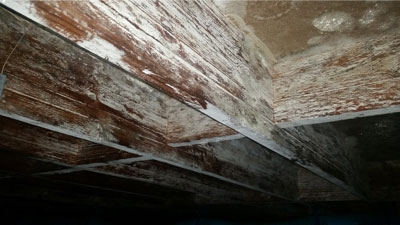
In some instances, mold will be a by-product of more general water damage which in turn can be the result of a leak, seepage or even a burst pipe or water main. Storms and floods can also cause water to pool in unlikely places which can lead to hidden mold. In some cases, you can have large amounts of mold developing under the ground or within the walls – unfortunately mold colonies can live inside building structures.
Another potential cause of moisture and subsequent mold growth is a lack of ventilation which can then cause moisture that is naturally in the air to build-up. This is a particularly big problem in bathrooms and kitchens which can benefit from windows or some form of extractor unit or dehumidifier.
Ventilation can also sometimes be a problem in basements, as well as behind cupboards and heavy curtains. Look for places where air is struggling to circulate in your property and often you will find the tell-tale signs of mold. Where walls are very cold, this also increases the likelihood of them being moist and of them becoming moldy. Cold surfaces may cause moisture in the air to condense on contact and this in turn causes the formation of small droplets of water on your walls and windows where this otherwise would not be a problem. Sometimes moisture and mold problems will be as a result of families and homeowners failing to adequately heat their homes during the winter months.
<script async src="https://pagead2.googlesyndication.com/pagead/js/adsbygoogle.js?client=ca-pub-3680744401672680"
crossorigin="anonymous">How we identify mold issues.
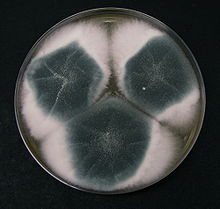
You can generally spot mold easily as it ranges in color from green, black or blue fur that collects on surfaces. It is fairly unsightly and similar to the colors you would see on old bread or overripe fruit which you immediately dispose of to the bin.
Generally speaking mold thrives in
- Warm
- Damp
- Dark conditions where there is a lack of adequate ventilation
The life cycle of mold is dependent on its environment, its growth speed and colors vary greatly.
Some of the colors of mold present may include white, green & black all of which may pose a potential health risk if not remediated in a timely manner.
When these mold spores exist and multiply in large quantities they can form visible patches on walls and in other areas and can cause reactions in even the healthiest of people. Therefore, treating mold in a timely and efficient manner will assist in reducing any potential health problems and reduce treatment costs.
The consequences of mold exposure.
The symptoms of mold exposure include but are not limited to:
- Congestion and running nose
- Eye irritation causing red eyes
- Sore throat and cough
- Difficulty breathing, wheezing or shortness of breath
- Skin irritations
- Asthma attacks or asthma like symptoms
- Sneezing
- Headaches or fatigue
You could be forgiven for thinking you may have a cold or other associated health problems through prolonged exposure to the mold.
There is a specific term for mold that creates high levels of mycotoxins which is ‘toxic mold’. ‘Stachybotrys’ is one such example and can cause more severe problems if exposure is allowed to continue – and in only the most extreme cases the possibility of neurological problems or death.
How we Treat Mold
The first step with mold remediation as with water damage restoration will always be to stop the source of the moisture that is encouraging the spread of the mold. There are various ways to do this and some of the treatment may include replacement of impacted areas, but this will normally be completed at the assessment stage.
By attending to these areas quickly and fixing these problems will help to prevent the further spread of mold and will make it possible to treat the mold in the worst affected areas. This is very important as mold can grow on porous surfaces in as little as 24 hours.
The area will then be dried which must be done carefully so as to prevent the spreading of dust and mold spores. Where the mold has set in under carpets, within the walls or in insulation, this might involve the removal of fittings and fixtures.
The next stages in treatment will often depend on the severity of the mold and the extent of the damage within your home or business. For small amounts of mold it will sometimes be safe to use simple surface cleaning with a sponge or a cloth and a cleaning product. In the past some methods of mold remediation have involved the use of fungicides and hot air, though these have been deemed unsafe for the atmosphere.
In more severe mold infestations, Express Damage Restoration Of Ky will ensure that strict guidelines from the IICRC S520 on procedures to remove mold will be undertaken.
These include:
HEPA Vacuums
These are ‘high-efficiency particular air’ vacuums which are often used at the end of the mold remediation process. These can remove dust and mold spores from the affected surfaces. Re-mediators will wear PPE (personal protective equipment) to prevent themselves from being exposed to the captured mold and it will then be disposed of using tightly sealed bags.
Dry Ice Blasting
This method is used by some companies as the initial source removal stage generally from wooden surfaces and other materials such as cement. Soda blasting and media blasting can also be used. In other cases, some items may need to be permanently discarded. These include all kinds of porous materials including pillows, mattresses, plaster board walls and underlay. Mold specialists will often handle this disposal on your behalf. Cleaning may also be necessary for your heating and air conditioning systems in order to prevent the further spread of mold spores throughout your building.
Some mold remediation companies will also provide additional clean-up and restoration services in order to help you get back to normal. These include such services as fabric restoration, painting, carpet installation etc. These companies ensure that you are able to return to your home and normal standard of living as soon as possible and they can be a huge benefit to families and business struggling with mold issues.
Ultraviolet germicidal irradiation (UVGI)
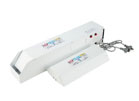
Ultraviolet germicidal irradiation (UVGI) is a sterilization method that uses ultraviolet (UV) light to kill airborne micro-organisms. Bacteria, viruses and micro-organisms (like mold spores) have less protection from UV and cannot survive prolonged exposure to it.
Give us a call Express Damage Restoration Of Ky (859) 302-2702 in Lexington Ky

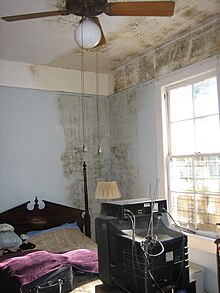





Dont Let Water Damage Destroy Your House
Call For An Inspection: (859)302-2702
We Servere:
Lexington, Kentucky
Richmond,Kentucky
Newby,Kentucky
Nicholasvillle,Kentucky
Georgetown, Kentucky
Winchester, Kentucky
Follow Me On
Subscribe To My Newsletter
Subscribe for new travel stories and exclusive content.
 Water Damage Mitigation Company In Winchester KY