-
cigarette smoke odor removal, fire damage restoration, lexington, kentucky, mold inspection company, mold removal service, smoke odor removal, Water Damage, water damage cleanup, water damage cleanup company, water damage mitigation, water damage mitigation company, water damage restoration, water removal service near me, water restoration company
7 Hidden Signs of Water Damage in Your Home or Business
Serving All Of Central Kentucky


We are an IICRC Water Damage Restoration Master Restorers

Book Now

We Are Also IICRC Certified Master Fire Damage Restorers Click To Book
24 HR Water Removal Services Click To Call
-
The Importance of Exterior and Interior Waterproofing

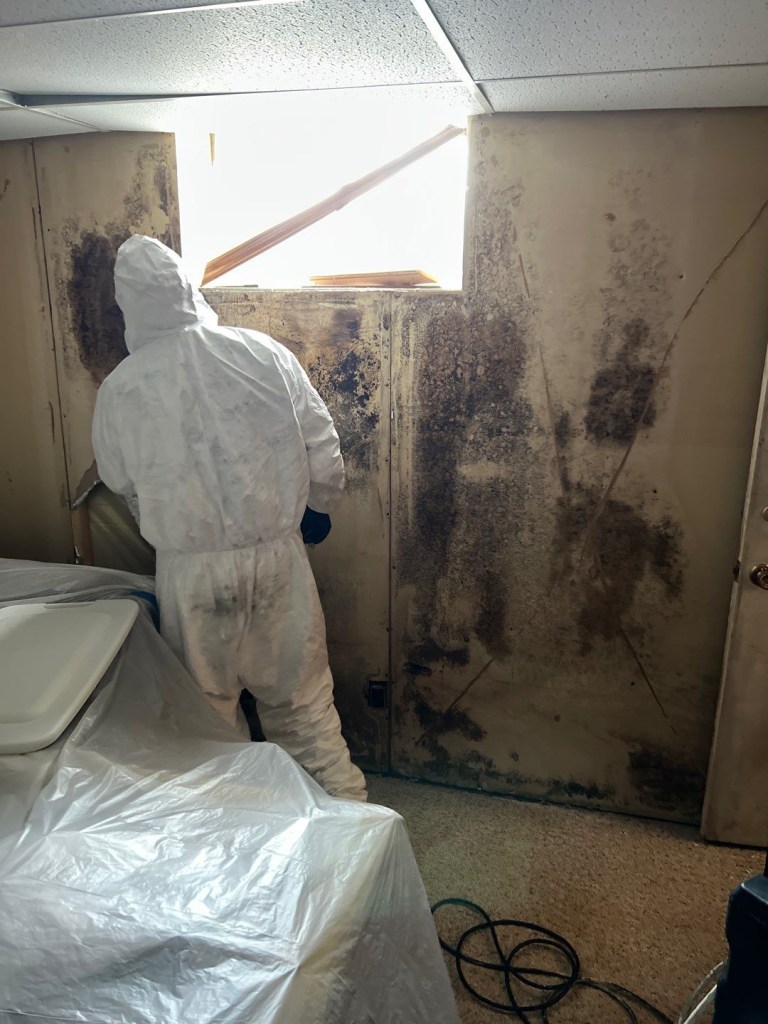
This basement was below grade, the waterproofing product used to seal the exterior when constructed, had degraded and delaminated over time. The Importance of Exterior and Interior Waterproofing
Waterproofing is an essential aspect of maintaining the structural integrity and longevity of any property. Whether it’s a residential home, a commercial building, or an industrial facility, ensuring that both the exterior and interior are well-protected from water damage can save you significant time, money, and stress in the long run. Here’s why you might need exterior or interior waterproofing and how it can benefit your property.
Understanding Exterior Waterproofing
Exterior waterproofing focuses on protecting the outer structure of a building from water infiltration. This type of waterproofing is crucial for several reasons:
- Preventing Structural Damage: Water seepage can weaken the foundation, leading to cracks and structural instability. Exterior waterproofing helps keep water away from the foundation, preserving its strength and durability.
- Mold and Mildew Prevention: Moisture can create an ideal environment for mold and mildew growth, which can cause health issues and damage building materials. Exterior waterproofing reduces the risk of mold and mildew by keeping water out.
- Enhancing Property Value: A well-maintained, waterproofed exterior can increase your property’s market value. Potential buyers are likely to pay more for a home or building that doesn’t have water damage issues.
- Energy Efficiency: Waterproofing can also improve your property’s energy efficiency. Proper insulation and waterproofing can help maintain indoor temperatures, reducing the load on heating and cooling systems.
The Role of Interior Waterproofing

Annual inspections are needed to maintain waterproofing efforts all of our waterproofing installations come with regular maintenance and inspections Interior waterproofing is equally important and serves as an additional line of defense against water intrusion. Here’s why you might need interior waterproofing:
- Basement Protection: Basements are particularly susceptible to water infiltration. Interior waterproofing helps keep basements dry, preventing damage to personal belongings and reducing the risk of mold growth.
- Mitigating Existing Water Problems: If your property already has water issues, interior waterproofing can help manage and reduce the impact. This approach includes installing sump pumps, interior drainage systems, and waterproof coatings.
- Health and Safety: A dry interior environment is crucial for maintaining good indoor air quality. Waterproofing helps prevent mold and mildew, which can cause respiratory problems and other health issues.
- Longevity of Building Materials: Water damage can cause significant wear and tear on building materials. Interior waterproofing protects walls, floors, and other structures from moisture, prolonging their lifespan.
Choosing the Right Waterproofing Solution
Determining whether you need exterior or interior waterproofing—or both—depends on your specific situation. Here are some factors to consider:
- Climate and Weather Conditions: Properties in areas with high rainfall or prone to flooding may benefit more from exterior waterproofing.
- Age and Condition of the Property: Older properties with existing water damage may require comprehensive interior waterproofing solutions.
- Budget and Resources: While exterior waterproofing is typically more expensive, it offers long-term benefits. Interior waterproofing can be a cost-effective solution for managing current issues.
Professional Waterproofing Services
IICRC Water-Mold-Smoke-Fire Damage Certified Professionals Call ☎️ 859-267-3482 At Property Damage Solutions, we specialize in both exterior and interior waterproofing services. Our team of experts can assess your property, identify potential water intrusion points, and recommend the best solutions to protect your investment.
Conclusion
Waterproofing is not just an optional upgrade; it’s a necessary step to protect your property from the damaging effects of water. Whether you need to safeguard the exterior, manage existing interior issues, or both, professional waterproofing services can help you maintain a safe, dry, and valuable property. Contact us today to learn more about our comprehensive waterproofing solutions and how we can help you achieve peace of mind and long-term property protection.
For more information, visit Property Damage Solutions or give us a call at 859-302-9666. Let us help you keep your property safe from water damage.
-
Understanding Whiskey Fungus: Causes, Effects, and Prevention

Whiskey Fungus Is A Black Mold Whiskey fungus, also known as Baudoinia compniacensis, is a type of black mold that commonly grows on buildings and structures near whiskey distilleries and other facilities where ethanol is produced. While whiskey fungus itself does not pose significant health risks to humans, it can cause aesthetic and structural damage to buildings and outdoor surfaces. In this article, we’ll explore the causes, effects, and prevention measures for whiskey fungus.
Causes of Whiskey Fungus:
Whiskey fungus thrives in environments with high levels of ethanol vapor, which are typically found near distilleries, breweries, and other industrial facilities where alcohol is produced. The fungus feeds on the ethanol vapors released during the fermentation and aging processes, as well as on other organic compounds present in the air.

Houses Near Distilleries Commonly Need Pressure Washed And Treated Effects of Whiskey Fungus:
- Aesthetic Damage: The most noticeable effect of whiskey fungus is the black staining it creates on outdoor surfaces such as buildings, fences, and trees. These unsightly stains can detract from the appearance of properties and structures, leading to concerns among property owners and communities.
- Structural Damage: In addition to aesthetic concerns, whiskey fungus can also cause structural damage to buildings and other surfaces over time. The fungus can penetrate and degrade certain types of building materials, including wood, concrete, and metal, potentially compromising their integrity and longevity.
- Environmental Impact: Whiskey fungus releases spores into the air, which can spread and settle on nearby vegetation, soil, and water bodies. While the impact of whiskey fungus on the environment is relatively minimal compared to other types of pollution, it can still contribute to ecological changes in affected areas.

We use a plant based anti microbial in our monthly treatments for clients as well as thorough inspections to the most vulnerable areas of the home. These monthly treatments are for any microbes as well as whiskey fungus. Prevention of Whiskey Fungus:
- Site Selection: When planning the location of a distillery or industrial facility, consider the surrounding environment and potential impacts on nearby properties. Choose sites with adequate distance from residential areas and sensitive ecosystems to minimize the risk of whiskey fungus growth.
- Emissions Control: Implement measures to control and reduce emissions of ethanol vapors and other organic compounds from production processes. This may include installing vapor recovery systems, improving ventilation, and optimizing fermentation and aging techniques to minimize emissions.
- Surface Treatments: Apply protective coatings or sealants to outdoor surfaces to create a barrier against whiskey fungus growth. These treatments can help prevent the fungus from establishing a foothold and make it easier to clean and remove any staining that does occur.
- Regular Maintenance: Implement a regular maintenance schedule to inspect and clean outdoor surfaces for signs of whiskey fungus growth. Promptly remove any black stains using appropriate cleaning methods and products to prevent further spread and damage.
- Community Engagement: Foster open communication and collaboration with local communities and stakeholders to address concerns related to whiskey fungus. Educate residents and property owners about the causes and effects of the fungus and involve them in discussions about prevention and mitigation strategies.
Conclusion:
Whiskey fungus may not pose a direct health risk to humans, but its presence can have significant aesthetic and structural impacts on buildings and outdoor surfaces near distilleries and industrial facilities. By understanding the causes of whiskey fungus and implementing proactive prevention measures, we can minimize its effects and preserve the integrity and beauty of our communities.
For professional assistance with whiskey fungus removal and prevention, contact Property Damage Solutions at (859) 302-9666 or email propertydamage123@gmail.com.
We Are IICRC Certified Mold Removal Specialists Call, Text, Email, we do emergency water extraction 24/7/365
-

Emergency Water Extraction from Basements and Crawlspaces in Richmond, Kentucky
Emergency Water Extraction from Basements and Crawlspaces in Richmond, Kentucky
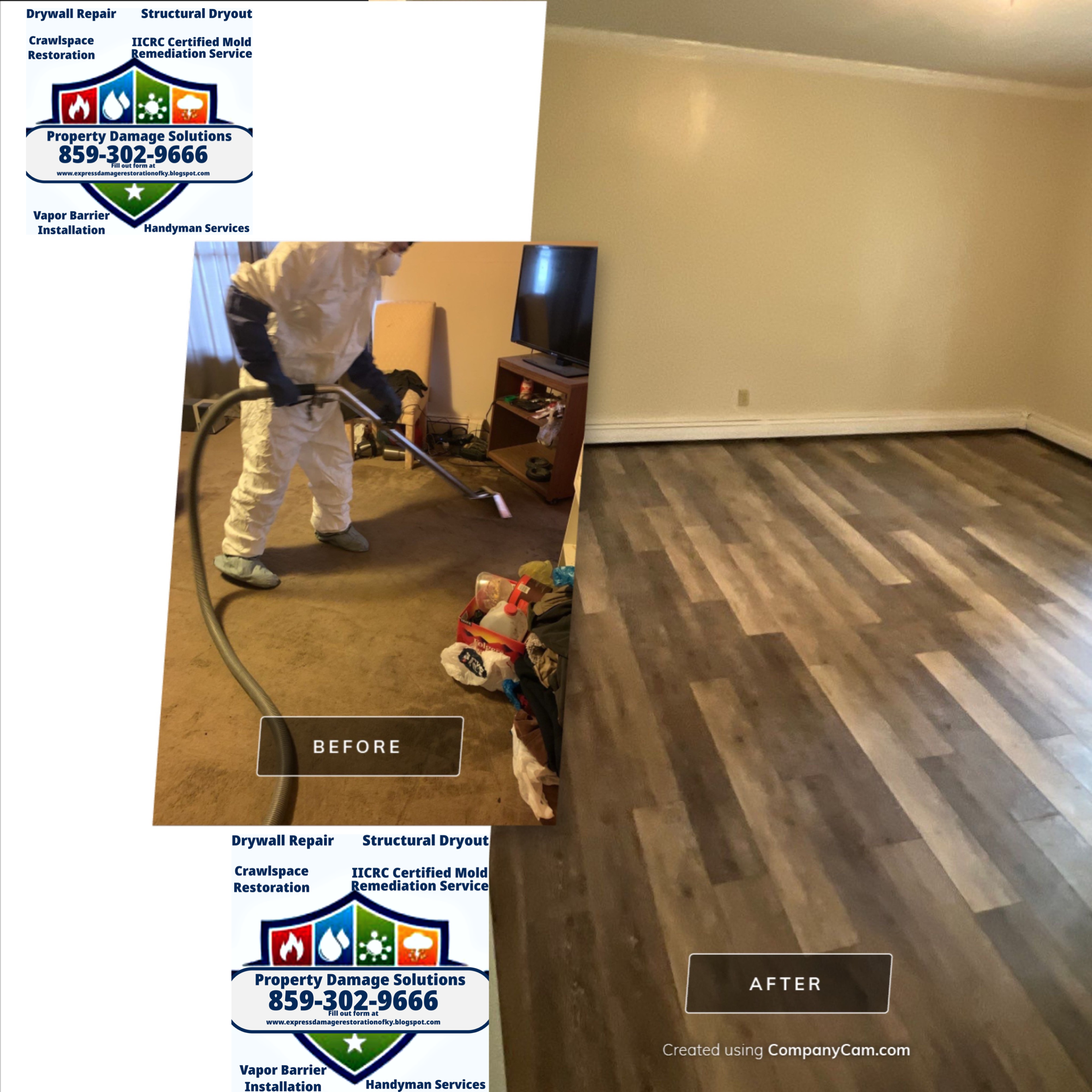
When disaster strikes, swift action is crucial to minimize damage and restore normalcy. At Property Damage Solutions, we specialize in emergency water extraction services for basements and crawlspaces in Richmond, Kentucky, and surrounding areas of central Kentucky. With our prompt response and expertise, we’ll help you mitigate water damage effectively, ensuring your property is restored to its pre-loss condition.
Expert Water Extraction Services
Our team of skilled professionals is equipped with state-of-the-art equipment and industry-leading techniques to tackle water emergencies of any scale. Whether it’s a burst pipe, flooding, or any other water-related catastrophe, we’re here to provide swift and efficient water extraction services.
Comprehensive Assessment and Planning
Upon arrival at your property, our certified technicians will conduct a thorough assessment of the water damage. We’ll determine the extent of the damage and formulate a tailored plan to address the situation effectively. Our goal is to minimize disruption to your life and property while ensuring thorough water extraction and drying.
Advanced Equipment and Techniques
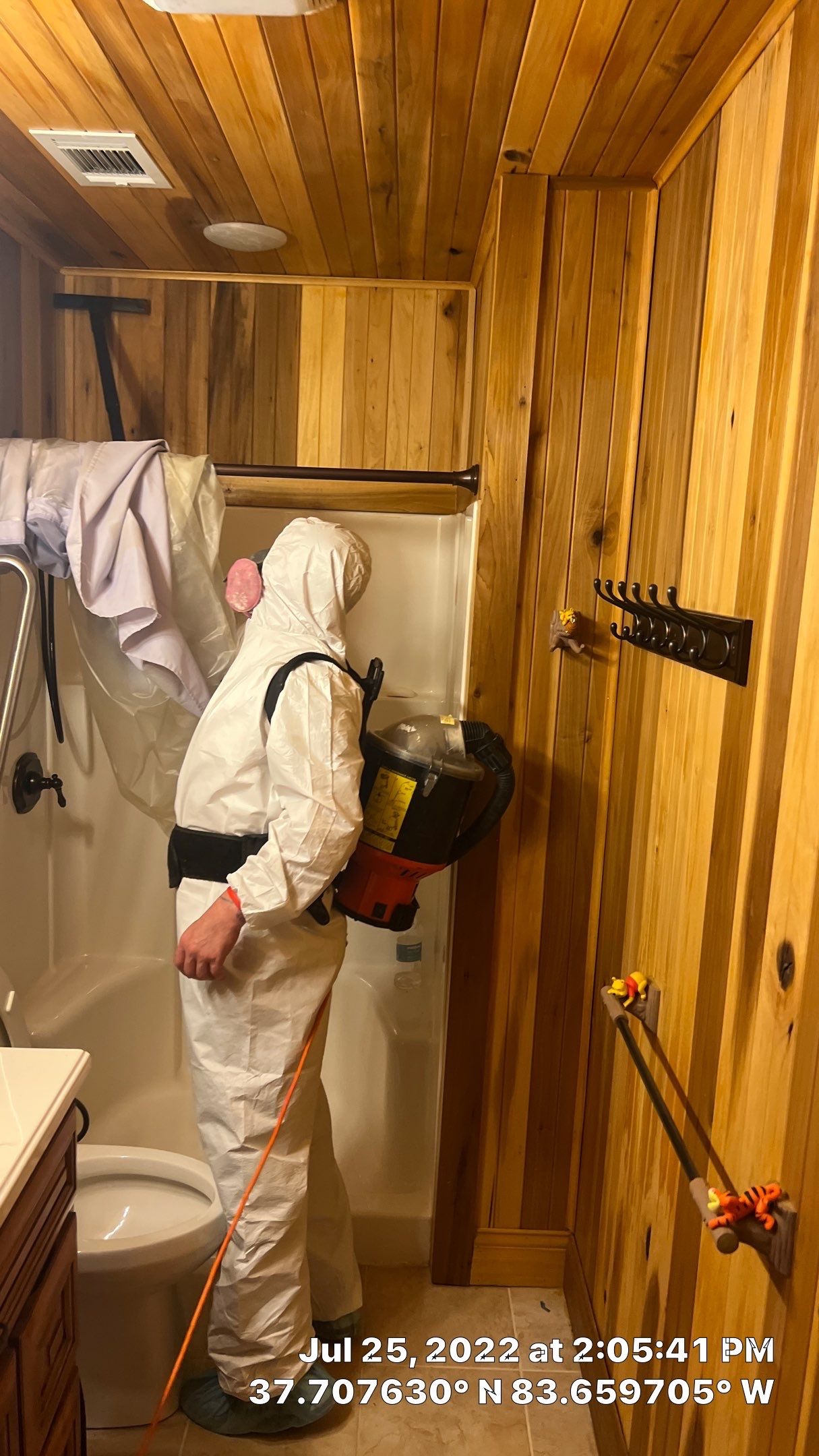
At Property Damage Solutions, we utilize advanced water extraction equipment, including powerful pumps, extractors, and dehumidifiers, to remove water quickly and efficiently. Our team is trained in the latest techniques for water removal and structural drying, ensuring that your property is dried thoroughly to prevent mold growth and structural damage.
24/7 Emergency Response
Water emergencies can happen at any time, day or night. That’s why we offer 24/7 emergency response services to our clients in Richmond, Kentucky, and the surrounding areas. You can count on us to be there when you need us the most, ready to provide immediate assistance and peace of mind.
Licensed, Bonded, and Insured
Property Damage Solutions is a licensed, bonded, and insured water damage restoration company. We adhere to the highest industry standards and regulations to ensure the safety and satisfaction of our clients. With us, you can rest assured that your property is in capable hands.
Contact Us Today
 Call ☎️ 859-302-9666
Don’t let water damage wreak havoc on your property. If you’re facing a water emergency in your basement or crawlspace, don’t hesitate to contact Property Damage Solutions at 859-302-9666. Our team is standing by to provide prompt, professional assistance and help you restore your property to its former glory.
-
How Does A.T.P testing work

The following article explains; How Does A.T.P testing work.
ATP (Adenosine Triphosphate) testing is a method used to determine the presence of biological contamination, such as bacteria, yeast, or mold, in a sample. The test works by measuring the amount of ATP (a molecule found in all living cells) in a sample using a luminometer.

A.T.P Testing With A Luminometer Typically, the sample is mixed with a reagent called luciferin, which reacts with ATP to produce light. The amount of light produced is proportional to the amount of ATP present in the sample. The light emission is then measured by the luminometer, and the result is reported in relative light units (RLU). High RLU values indicate high levels of ATP and therefore high levels of biological contamination.
ATP testing is widely used in a variety of industries, including food safety, environmental monitoring, and healthcare, as a quick and simple way to assess the level of hygiene and cleanliness in a given area.
-
lexington, kentucky, mold damage, mold inspection company, mold remediation, mold removal, richmond,Kentucky, Water Damage, water damage cleanup, water damage cleanup company, water damage mitigation, water damage mitigation company, water damage restoration, water removal service near me, water restoration company
How to thaw frozen pipes

For emergency water removal call ☎️ (859)302-2702
Old man winter is unbearable as it is, water damage from burst frozen pipes in the middle of it can be a nightmare. Should your pipes freeze, the following will give you tips on how to thaw frozen pipes.
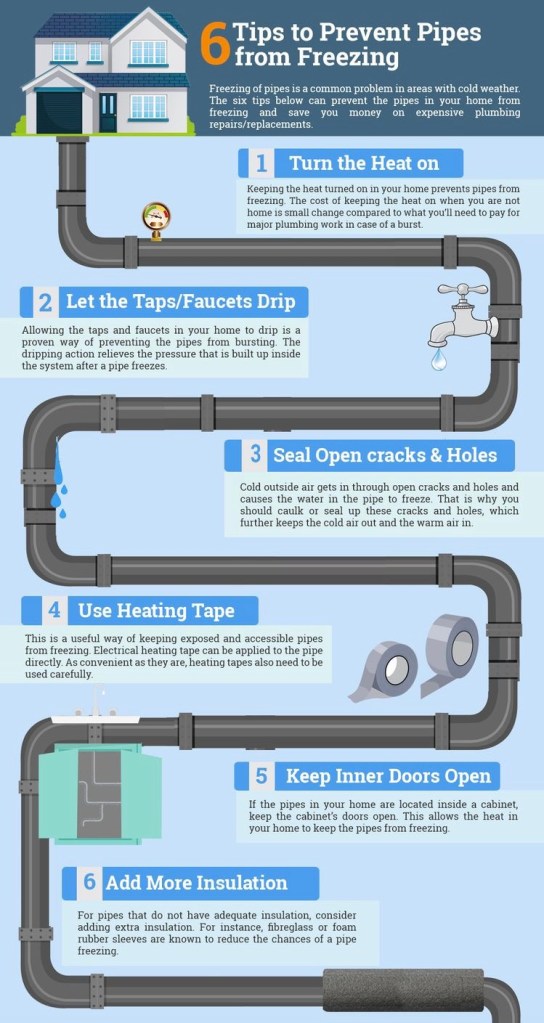
Tips on thawing frozen water pipes to parent water damage Thawing Frozen Pipes
What to do if a pipe bursts
https://www.lex18.com/news/unprecedented-number-of-water-pipes-break-in-lexington?_amp=true
If a pipe bursts in your home, you’ll need to act fast to mitigate additional damage. Shut off your water as quickly as possible. This will help minimize the amount of water that seeps out inside your walls. You may also want to shut off power in the affected area of your home. After you’ve taken these precautionary steps, it’s time to call a plumber and start mopping up any mess that’s been caused. Try to remove as much of the water and lingering moisture as you can to avoid mold and mildew buildup. Depending on the severity of your case, you may also need to bring in other professionals to address damage to your walls, carpet, flooring or ceiling.
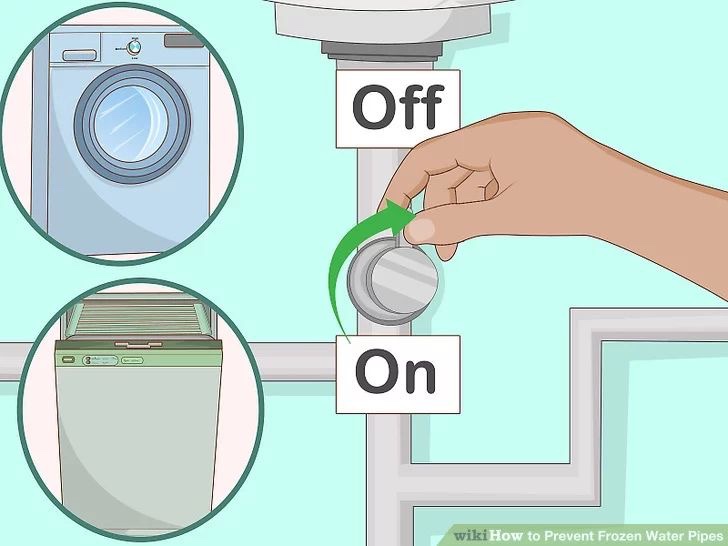
Shit water off to prevent water damage in case a pipe bursts How to thaw out pipes
How can you tell if your pipes are frozen? If you turn on the bathroom or kitchen faucet and see only a few drops or a trickle of water, this could indicate that water inside the pipes has frozen – preventing a free flow. But don’t panic. You may be more equipped to deal with the situation than you think. Here’s a quick lesson on how to thaw a frozen pipe.
Step 1. Turn on the faucet
Keep it running. Allowing the faucet to drip even slightly can help prevent a pipe from bursting. It’s simple – when freezing takes place, extreme pressure builds between the faucet and the ice blockage. An open faucet relieves this pressure buildup, in turn preventing a burst from occurring.
Step 2. Apply heat to the frozen area, thermal energy promotes drying.
Slowly apply heat using a hair dryer. There are several ways to do this. You can wrap the pipes in thermostatically controlled heat tape, or you can use an external heat source such as a hair dryer or space heater. Do not use a propane torch as this can damage the pipe and present a fire risk.
If you decide to use a hair dryer, begin directing air close to the faucet end of the pipe and gradually move toward the coldest section. Be careful not to overheat the hair dryer or blow a fuse. Remember, the faucet should be left on while heat is being applied.
Step 3. Continue to apply heat
Don’t stop heating until full water pressure is restored. Even then, it’s a good idea to leave the faucet open for a few minutes after the pipe is thawed. This will give the ice time to completely clear from the line.
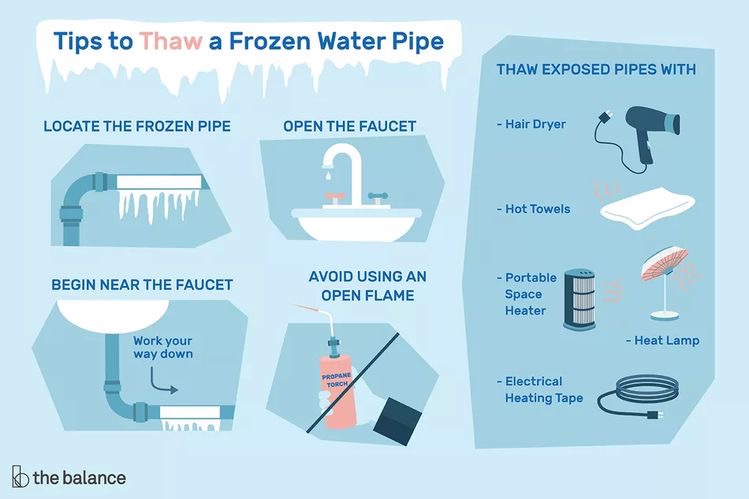
Ways to thaw frozen pipes Step 4. Check all faucets and prevent pipes from freezing in the future
Check each faucet in your home for any other frozen pipes. One frozen pipe may mean that others have been affected as well.
If the problem persists, contact a plumber. You can prevent pipes from freezing again by taking a few simple steps:
Before traveling, keep the temperature in your home above freezing and turn off all the water to your house.
Be sure to keep all water pipes, especially those close to outside walls, insulated with foam rubber or heating cable.
Keep cabinet doors open to allow air to circulate.
Let your faucets drip cold water – it is harder for a pipe to freeze even if there is a trickle of water flowing through. In order to not waste water, you can collect the drops and reuse it, possibly for cleaning or watering plants.
How long does it take for pipes to unfreeze?
Using any of the handful of methods on how to thaw frozen pipes will typically take about 30 minutes. This can vary depending on the weather, how long the pipe has been frozen and where the pipe is located. Any of these factors can cause the thawing process to take longer.2
And remember, a frozen pipe isn’t the only issue that comes with cold weather. Find out other ways to protect your home during the winter.
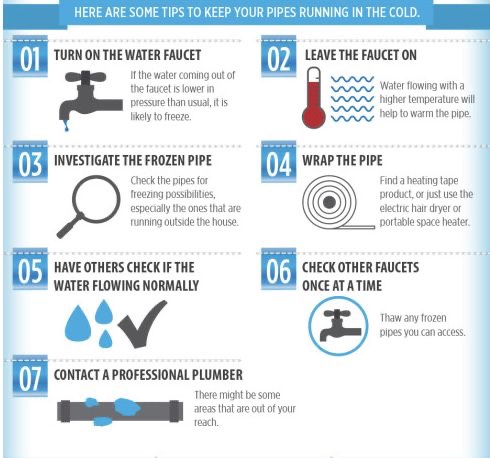
Ways to prevent frozen pipes Quick tip on drying if you have a pipe burst, find out the GPP (grains per pound) inside your home and then outside, you can do this by purchasing a thermometer hydrometer. If the gpp is lower outside than inside, then you can dry your home with what is known in the water damage restoration industry as “an open drying system. Click to check out our mold damage prevention tips there is more tips on how to dry a house out after water damage without water damage restoration equipment.
-
How do pros get rid of cigarette smoke
#waterrestoration
#waterdamagemitigation
#waterdamagerestoration
www.reddit.com/r/IICRC/comments/tsqvmp/how_do_pros_get_rid_of_cigarette_smoke/
-
Content Pods For Water Damage Restoration
Content pods
Dealing with unexpected damage to your home – whether it’s from water, fire, wind, or some other catastrophe – can be a scary, stressful, and costly process for anyone. Your home is your safe haven, and having a natural disaster or accident threaten that sense of security can be unsettling and emotionally draining.
Take a breath. You don’t have to deal with all this on your own. There are home restoration companies and professionals who specialize in cleaning up and putting the pieces back together. With the right help, you will get through this.
While time is of the essence, the restoration company you hire can mean the difference between a smooth recovery process or a total nightmare. To help you choose wisely, here are nine steps for finding, vetting, and hiring a qualified and reliable home restoration company that you can count on for the help you need.
NOTIFY YOUR INSURANCE COMPANY
Whether your home was hit by a natural disaster or an accidental fire or flood, your first step is to contact your insurance provider immediately for a damage assessment by an adjuster. Most insurance carriers can also provide information about qualified restoration companies in your area, especially those that can respond and start cleaning up quickly.
Be aware that even if your insurance company gave you a company’s name or even made an appointment for you, it’s your choice on who to hire. It’s also your job to vet the company and supervise their work, as well as your responsibility to pay their bill for work completed.
But after a major disaster, it can take precious time to even get through to your insurance company. Read on for more tips on finding qualified restoration companies.
2. IDENTIFY CERTIFIED RESTORATION COMPANIES
Since disaster clean-up and restoration requires specialized processes, it’s best to work with companies that meet training, licensing, and other standards required for professional certification. You can find certified professionals in your area by checking the Institute of Inspection, Cleaning, and Restoration Certification (IICRC) directory.
You should also ask about certification and training for handling the specific type of damage to your home. For example, the IICRC offers certification for a surprisingly long list of specialties, including:
• Carpet Cleaning and Replacement
• Stone and Tile Cleaning
• House Cleaning Technician
• Odor Control Technician
• Resilient Floor Maintenance Technician
• Fire and Smoke Damage Restoration Technician
• Master Fire and Smoke Restorer

3. CHECK THE COMPANY’S RESPONSE TIME
Restoration companies are like the first responders after homes have sustained significant damage from flood and fire, water damage, sewage backup, and other major events. The restoration company’s job is to clean up the mess and preserve and protect your home and belongings to avoid further damage. Look for companies that offer 24/7 operations and the ability for rapid response. When you call, confirm the company can send out a team quickly to your location to inspect the damage and get started.
4. MAKE SURE THE RESTORATION COMPANY IS LICENSED AND INSURED
Let’s say you hire a contractor who quotes a low rate, but is uninsured, and then a worker injures themselves on your property. They could sue you for compensation. Or, in fixing one problem they cause another. They could refuse to correct the additional damage, leaving you high and dry and potentially in a worse spot.
To protect yourself, make sure you’re hiring a licensed and insured home restoration company. That way, if anything goes awry, they’re protected, you’re protected, and everything is above board. Ask to see the company or individual’s business license, insurance certificate, and professional certification card, such as the IICRC.
5. ASK FOR REFERENCES
In addition to your insurance company’s recommendation and industry certification, it’s always important to ask for references — both to help identify a reputable contractor and to vet companies you’ve contacted. If no one you know personally has had restoration work, you could take to your local Nextdoor group and put the ask out to your neighbors. Research the company online and check feedback on user-review sites like Angie’s List and Yelp. In addition to finding prospective companies, you might receive feedback on who not to hire — also valuable information.
-
How Long Does It Take To Dryout Water Damage?
Fire damage mitigation company
How long does it take to dryout water damage?
What is Water Damage?
Before we get into steps to take after water damage, first, what exactly is considered water damage? Water damage can be defined as water destroying the interior of your home. It can be caused by a multitude of occurrences including:
- A frozen pipe that bursts and saturates your walls/ceiling
- Rain that leaks in through your room, causing damage to your walls and ceiling
- An overflowing sink or toilet that soaks your bathroom floors
- Leaking appliances, such as a dishwasher leak
- Sewage Damage From Toilet Overflow
Now that we understand what is considered water damage, let’s go through the steps to take after experiencing it.
7 Immediate Steps to Take After Water Damage In Your Home
1. Call Your Insurance Company
Your homeowners’ insurance will vary depending on what policies you have. The insurance company will send an adjuster to look at and assess the damage and determine if it is a covered loss.
Document the values of each and every item you can think of and take as many photos as possible before, during, and after cleanup. This will help the adjuster when he or she is able to come assess the damage.
Note: Not all home insurance policies cover flood damage.
2. Protecting Yourself, Appliances, and Valuables
The most important step in any major home disaster like flooding and water damage, is to make sure yourself and your family are safe. There are several things you can do to stay safe in your home.
Turn off the power
Water and electricity obviously do not mix. But, if turning off the power requires you to enter or stand in wet areas it is best to leave it alone and call an electrician. Do not reenter a flood damaged home before turning the electricity off.
Wear Protective Gear
Be sure to wear protective clothing–such as rubber boots and gloves–when you re-enter your home. This will protect you from injuries that can get bacteria filled water in them.
Protect Your Valuables
You can lift wood furniture off the wet carpet areas and insert tin foil under the feet to prevent staining of the carpet. Likewise, remove any rugs that may be on wet flooring.
You may be forced to leave your home if the flooding is bad enough. Make sure it is also safe when you return to your home to begin dealing with the aftermath. Don’t drive through any flooded areas!
3. Start Water Damage Repair Immediately
Before starting the process of water damage removal in a flooded home, be sure to document all of the damage first. This will help with any future insurance claims you make.
If possible, water damage restoration should start 24-48 hours after you’ve been cleared to re-enter your home. In many situations, the damage is too extensive for one person or family. Get help from a restoration service to stay safe and ensure the water damage removal process is done correctly.
Be aware that you may need to remove flooring, drywall, and insulation to prevent mold and mildew from spreading in your home. Furniture may also need to be dried out, cleaned or thrown away depending on the level of water damage. Water and moisture can damage hardware floors quickly, so this process should be started as soon as possible.
4. How to Dry Out Water Damage and Remove Humidity
If you decide to begin the drying process yourself, make sure you wear protective gear. Determine what is salvageable and throw away anything that is too damaged or no longer safe to use.
With a lot of standing water, you can start removing it with buckets or plastic tubs. Then use a mop to absorb excess water in hard-to-reach areas. Go and rent a wet-dry vacuum from a local hardware or even grocery store to finish the job once most of the water is gone and let the area ventilate and dry thoroughly. Using a dehumidifier can help speed up this process. If there isn’t too much standing water, you can just use the wet-dry vacuum from the start.
Once all standing water is removed from your home, you will still have to tend to damp belongings, particularly if you live in a very humid area. If you are able to get your. Floor fans such as Air Movers and dehumidifiers can help dry damp areas of your home as well.
Avoid mildew, molds, and other lingering issues that could result if you rush back in. You may need the assistance of a professional restoration contractor like Express Damage Restoration to ensure a dry home.
Time is of the essence and studies show on that starting the drying a home within the first 24 hours and completely drying a home within 3-4 days will almost completely remove the risk of mold and mildew.
5. Identifying Mold

Mold can begin developing after the first 24 hours of a flood, and once it has started growing it can be difficult to remove. The quicker you remove items from water and begin drying them, the less likely they are to be lost to mold.
If it gets bad, you’ll often have to completely remove the affected areas. It’s always best to err on the side of caution and have a professional assess the situation.
Preventing Mold After Water Damage
As soon as you discover water damage in your home, it’s important to take what measures you can to prevent mold. Be careful that you’re not spreading mold spores throughout your home as you’re attempting to dry things out. Mold can commonly be found in your closet, basement, showers, along with many other places.
Usually, it’s best to have a professional assist with the drying process, significantly lowering the chances of getting mold.
In the event of mold, our sister company, can assist you in removing it and restoring your home to a safe and healthy condition.
6. Deciding What Needs To Be Restored After Water Damage
The repair of water damage in your home from flooding is typically what takes the longest amount of time. Flooring and sometimes even walls need to be replaced, broken possessions are often in need of repair, etc. If major construction is needed, make sure you hire an expert!
7. When To Move Back Into Your Home
Once you have the go ahead from your insurance company, your restoration/construction company, and your local government(in the case of natural disasters), it’s time to move back into your clean, dry, mold free home or office.
If you need professional help, contact us today for 24/7 support. (859)302-2702
How to Tell if Water Damage is New or Old?
There may not be a way to know exactly how long your water damage has lingered, but there are some ways to determine if the water damage is new or old.
Typically, new water damage will be one dark water spot without rings around it, and the surface of it will feel wet, but firm. This is because newer water damage has not had time to weaken the drywall or other material.
Older water damage will have more of a softer, squishy feel to its surface. Old water damage will have dry water rings around the spot, the more rings, the longer the water damage has likely been there. If you notice decay or mold around the spot, this means the water damage has been along for enough time to deteriorate the spot, meaning the damage is not new.
How Long Does It Take to Dry Out Water Damage?
The time that water damage repairs take to complete will depend on the time it takes for the material affected to dry up and how severe the damage is. If you’re just dealing with a single room, maybe two, it will likely take less than a month- 72 hours for drying out, and another 1-2 weeks to actually repair the damage.
Maybe you are just dealing a burst pipe, or worse yet you have a flooded basement. Regardless of how bad gthe initial damage is, you cannot afford to wait to start the water cleanup process. Water spreads very quickly and will get absorbed into the floors, the walls, your furniture and other areas in your home.
Another way to remove water from your home is adding in a sump pump. A sump pump is used to drain water from a basement or crawl space. The sump pump is connected to a drainage pipe that leads outside of the home. When the water level rises above the bottom of the sump pit, the sump pump activates and pumps out the water from your home.
Preventing & Mitigating Water Damage:
Once you have stopped the actual leak, you need to immediately start the process of water mitigation, which is the process of preventing or reducing the amount of water damage, to prevent additional damage.
The drying process for homes affected by water damage can vary. Technically there’s not a precise estimation on how long the drying time would take. However, on average, a water damaged home may take around 5 days to dry. In other cases, it could take as little as two days, or in other situations, it may take a few weeks to dry out a home.
If you live in a flood zone or experience heavy rains, you should be prepared for flooding. The best way to prepare for a flood is to know where the water is coming from and how much water is coming into your home. One common place for flooding is in your basement. Finding the source of the water coming into your home will help you decide whether or not you need to evacuate. If you are evacuating, you should pack important documents, medications, and other items that you may need during evacuation.
If you live in an apartment and experience flooding, there are separate steps for apartment floods that need to be taken.
Risks of Untreated Water Damage
When dealing with untreated water damage, there are several potential health hazards associated with this situation. These include bacteria, viruses, molds, fungi, chemicals and gases. Some of these substances can lead to respiratory problems, skin irritation, eye irritations, headaches, nausea, vomiting, dizziness, fatigue, coughing, shortness of breath, wheezing, among others.
One of the most immediate risks when experiencing water damage is to your property, possessions and family. It can be incredibly difficult to see these items ruined by a flood or other disaster that leaves them soaked through with wetness from top-to-bottom. Left untreated, water damage can also harm the integrity to your homes structure. It is important for your health and safety to begin water damage repair as soon as possible.
Does Water Damage Happen Immediately?
The effects of water damage can happen fast. Within minutes, water leaks will spread evenly in your property, soaking everything that gets in the way. Your walls, floors, upholstery and belongings all become soaked in water. As soon as water creeps in, your carpets may get stained and your photographs, books and other paper goods may start to bulge and warp. This makes the water damage remediation process, even more important to get started as soon as possible.
If the water is black water, like from sewage, anything the water touches immediately becomes a potential bio-hazard. With this type of water damage, the home will need to be decontaminated.
If the water is clean water, like from a water heater or washing machine, standing water in the affected areas is much less of a concern. You still have the damage of course, but the risk of a bio-hazard is less likely.
Water Damage Within 1 to 24 hours:
Within just a single hour up to a day after your home has been exposed to water, it will begin to cause

damage. This is when drywall begins to bulge and break, furniture begins to swell and crack, and metal surfaces begin to tarnish.
Water Damage Within 48 hours up through 7 days:
Between hour 2 and the end of the first week, the damage will compound. Your home will experience growth and spread of mold and mildew. The doors, windows, and wood flooring may swell and warp, and metal may begin to rust and corrode. At the same time, there is a possibility of serious biohazard contamination.
Water Damage After More than a Week:
If water damage persists for more than a week, mildew and mold growth, structural damage and biohazard contaminants may pose serious risks to you and your family. The delay in restoration time may also increase the cost of water damage repair significantly.
Mold spores and the need for mold remediation and decontamination services are almost guaranteed at this point.
There are three classes of water damage: Class I, II and III. Each class represents different levels of severity. It’s important to understand what type of water damage you have before deciding if you need professional assistance with the recovery process. Category 1 water damage is defined as “Clear water”, Category 2 is “Grey Water” and Category 3 is “Black Water”. For more information on the 3 water damage categories click here.
Will My Homeowners Insurance Cover Water Damage?
Homeowners insurance provides coverage for water damage that is sudden and accidental (such as a rupturing water heater or a pipe burst). With flood damage, regardless of the source of the water, it may not be covered by standard homeowners policies. Be mindful that the water damage resulting from lack of maintenance is not covered on a standard homeowners insurance policy. Flooding can occur from storms, sewer backup, and overflowing bodies of water such as rivers, ponds, lakes, etc. Luckily you do have the option to purchase flood insurance through the National Flood Insurance Program.
Is Water Damage an Emergency?
Yes. Water damage can be one of the most common and most serious emergencies your property can experience. Whether your home has been affected by a storm, flood, roof leak, HVAC leak, busted pipes, overflowing appliances or sewage backup, a water problem can easily distress and threaten you and your home’s safety as well as your property value.
How Bad is Water Damage to a House?
From mold to compromised frames and foundations, water damage can cause a range of serious, underlying issues.
How Quickly Can Mold Grow from Water Damage?
If not addressed immediately, mold and mildew begin growing within 24-48 hours after water damage.
How Long Does it Take for Water Damage to Show?
Sometimes you can see the damage immediately, but other times it takes hours or even days for the damage to become visible. It’s important to act quickly and safely to ensure your home and your health aren’t in jeopardy from exposure. Express Damage Restoration can easily help with this process.
Will Mold Die if it Dries Out?
Unfortunately, no. Unless mold has been completely removed mold spores can remain dormant or inactive but can still be a threat to your home. Mold removal can be done effectively with a professional who specializes in mold removal.
Does Water Damage Happen Immediately?
Water damage happens quickly, usually within 24 hours. If you notice any signs of water damage, it normally isn’t something you can fix on your own.
How long does it for water to dry up?
The drying process for homes affected by water damage can vary. Technically there’s not an precise estimation on how long the drying time would take. However, on average, a water damaged home may take around 5 days to dry. In other cases, it could take as little as two days, or in more serious situations, it may take a few weeks to fully dry out a home.
How long can furniture sit in water before being ruined?
Furniture should be dried out immediately after getting wet. If you leave it in the water for too long, it could start rotting. However, whether you can save wet furniture depends on the amount of water and the type of furniture. Water will cause composite furniture to fall apart much faster than hardwoods. The faster you can dry the air, the most likely you can salvage your furniture after a flood or water event.
home fire is devastating to any family. Even a small fire could cause significant damage to your home and destroy your personal property. However, many structural components of a home may be salvageable after paying for fire restoration services. Before receiving estimates on total restoration cost, check with your homeowners insurance about policy inclusions.
Fire damage recovery is a multi-step process with labor and material costs that you must pay throughout the work. The average cost of fire restoration ranges from $3,000 to $40,000. The average price is $11,900, including burnt material cleanup, removal of smoke and soot, and sanitation of multiple rooms in a single-family home. The highest price will be approximately $50,000 for a home with multiple rooms that needs cleaning, water damage cleanup, sanitizing, and structural rebuilding. For the lowest cost, you can expect to pay around $2,500 for single-family home smoke damaged removal.
-
Flood damage cleanup
Release Date:
August 1, 2022People affected by the flooding that began July 26 do not need to wait to begin cleanup efforts but should document and save receipts.

water damage restoration company such as Express Damage Restoration
If you have insurance, report your damage from the flooding to your insurance company as soon as possible.
Call a water damage mitigation company such as Express Damage Restoration
Before cleaning up, if you have insurance:
- Take photos of damage before you begin the clean-up process. Be sure to include photos or videos of the outside and inside of the building, including damaged personal property, and label them by room before you remove anything.
- Photograph the make, model and serial number for appliances such as washers, dryers, hot water heaters, kitchen appliances, TVs and computers.
- Save all repair receipts.
- If you have insurance, separate damaged items from undamaged items. The insurance adjuster may need to document damaged items when conducting an inspection.
- If possible, keep samples of carpet, flooring, wallpaper and drapes.
- After taking photos, immediately throw away flood-damaged items that pose a health risk after coming into contact with flood waters, such as perishable food, clothing, cushions and pillows.
When salvaging and cleaning up flood damaged property:
- Always wear protective clothing. This includes long-sleeved shirts, long pants, rubber or plastic gloves and waterproof boots or shoes.
- Take wet items outside. Your home could be contaminated with mold, which may raise the health risk for those with asthma, allergies and breathing conditions. For detailed tips on cleaning mold safely, visit the Centers for Disease Control’s site at cdc.gov/mold/cleanup.htm.
- Clean all hard surfaces and items with bleach. If possible, wash wet fabrics in hot water.
- Use caution when entering your home. Before entering your residence, look around the outside for damaged power lines, gas lines and other structural damage. If able, open doors and windows so your house can air out before spending any length of time inside.
- Watch for sharp objects such as protruding nails and screws, aluminum, and broken glass.
- Turn off main electrical power and water systems. Don’t use gas appliances until a professional can inspect them.
- Check all ceilings and floors for signs of sagging or other potentially dangerous structural damage. Remove all drywall and insulation that has been in contact with flood waters.
- Throw out any items that cannot be cleaned. This includes items like mattresses, carpeting and stuffed animals that absorb water and cannot be cleaned or disinfected.
For the latest information on Kentucky flooding recovery, visit fema.gov/disaster/4663 and follow us on Twitter at twitter.com/FEMARegion4.
Kentucky flood survivors can apply for FEMA assistance online at disasterassistance.gov, by calling 800-621-3362 or by using the FEMA mobile app. If you use a relay service, such as video relay (VRS), captioned telephone or other service, give FEMA the number for that service.
FEMA’s mission is helping people before, during, and after disasters.
-
Water Damage Repair

Why choose us for water damage repair?
Accidents happen all the time. One of the kids left the faucet running. The toilet overflowed sewage. Your roof sprung a leak. Whatever the cause, you now have a big disaster. Water damage mitigation needs to be dealt with immediately so you don’t have bigger problems down the road.
Kentucky Damage Restoration, restores and repairs your property in no time.
- 24/7 365 Emergency Water Removal 🚨 Service
- Immediate action to prevent microbial growth
- Fast and professional cleanup experts
- Quality restoral of all damaged areas
- We can work directly with your insurance provider… so you don’t have to
Water Damage Control
Standing water must be removed quickly, and the affected areas dried out to prevent microbial growth. When you call Kentucky Damage Restoration, to handle your water damage emergency, we:
- Remove damaged structures and replace them with quality materials
- Professionally clean and sanitize affected surfaces and belongings
- Kill and remove all traces of bacteria, fungi, and mildew
- Sanitize and disinfect problem areas to get rid of unpleasant odors

Why call Kentucky Damage Restoration,for your water damage mitigation assessment and remediation?
- Handling water damage emergencies since 2000
- Advanced water extraction methods are used to get rid of water
- State-of-the-art equipment is deployed to detect hidden moisture
- High volume fans and powerful dehumidifiers promote air circulation
- All damaged surfaces are professionally cleaned and sanitized
- All traces of bacteria, fungi, and mildew are removed
- Problem areas are sanitized and disinfected to get rid of microbes unpleasant odors
- All necessary permits are acquired


Dont Let Water Damage Destroy Your House
Call For An Inspection: (859)302-2702
We Servere:
Lexington, Kentucky
Richmond,Kentucky
Newby,Kentucky
Nicholasvillle,Kentucky
Georgetown, Kentucky
Winchester, Kentucky
Follow Me On
Subscribe To My Newsletter
Subscribe for new travel stories and exclusive content.
 Water Damage Mitigation Company In Winchester KY