
-
cigarette smoke odor removal, fire damage restoration, lexington, kentucky, mold inspection company, mold removal service, smoke odor removal, Water Damage, water damage cleanup, water damage cleanup company, water damage mitigation, water damage mitigation company, water damage restoration, water removal service near me, water restoration company
7 Hidden Signs of Water Damage in Your Home or Business
Serving All Of Central Kentucky


We are an IICRC Water Damage Restoration Master Restorers

Book Now

We Are Also IICRC Certified Master Fire Damage Restorers Click To Book
24 HR Water Removal Services Click To Call
-
The Importance of Exterior and Interior Waterproofing

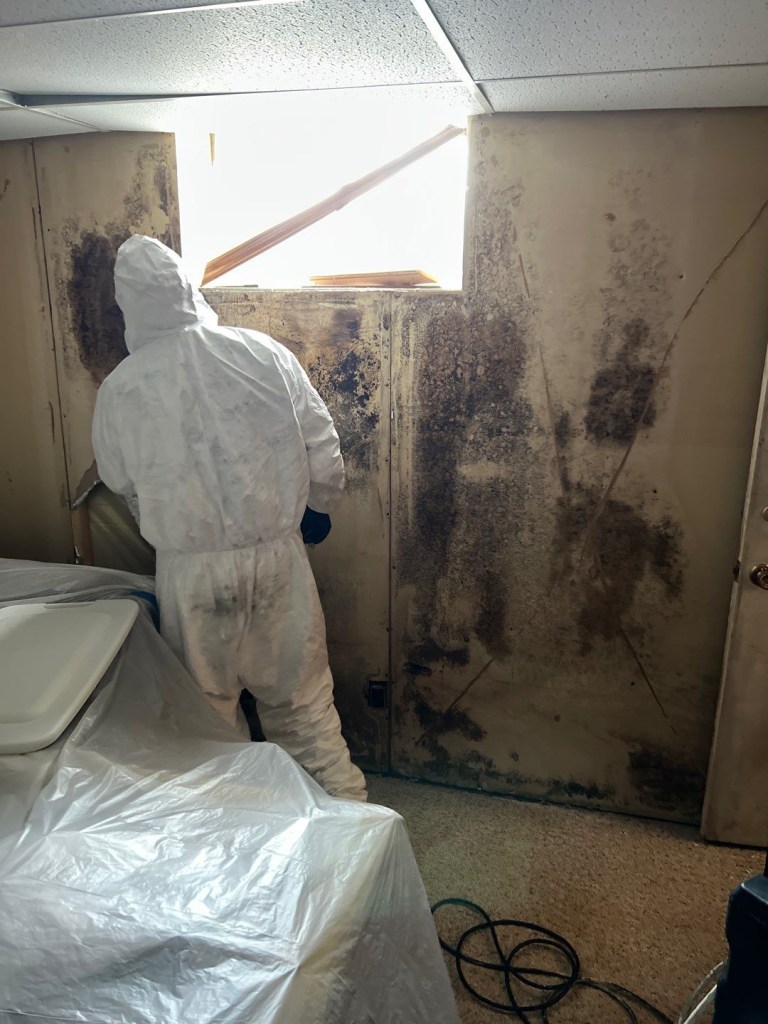
This basement was below grade, the waterproofing product used to seal the exterior when constructed, had degraded and delaminated over time. The Importance of Exterior and Interior Waterproofing
Waterproofing is an essential aspect of maintaining the structural integrity and longevity of any property. Whether it’s a residential home, a commercial building, or an industrial facility, ensuring that both the exterior and interior are well-protected from water damage can save you significant time, money, and stress in the long run. Here’s why you might need exterior or interior waterproofing and how it can benefit your property.
Understanding Exterior Waterproofing
Exterior waterproofing focuses on protecting the outer structure of a building from water infiltration. This type of waterproofing is crucial for several reasons:
- Preventing Structural Damage: Water seepage can weaken the foundation, leading to cracks and structural instability. Exterior waterproofing helps keep water away from the foundation, preserving its strength and durability.
- Mold and Mildew Prevention: Moisture can create an ideal environment for mold and mildew growth, which can cause health issues and damage building materials. Exterior waterproofing reduces the risk of mold and mildew by keeping water out.
- Enhancing Property Value: A well-maintained, waterproofed exterior can increase your property’s market value. Potential buyers are likely to pay more for a home or building that doesn’t have water damage issues.
- Energy Efficiency: Waterproofing can also improve your property’s energy efficiency. Proper insulation and waterproofing can help maintain indoor temperatures, reducing the load on heating and cooling systems.
The Role of Interior Waterproofing

Annual inspections are needed to maintain waterproofing efforts all of our waterproofing installations come with regular maintenance and inspections Interior waterproofing is equally important and serves as an additional line of defense against water intrusion. Here’s why you might need interior waterproofing:
- Basement Protection: Basements are particularly susceptible to water infiltration. Interior waterproofing helps keep basements dry, preventing damage to personal belongings and reducing the risk of mold growth.
- Mitigating Existing Water Problems: If your property already has water issues, interior waterproofing can help manage and reduce the impact. This approach includes installing sump pumps, interior drainage systems, and waterproof coatings.
- Health and Safety: A dry interior environment is crucial for maintaining good indoor air quality. Waterproofing helps prevent mold and mildew, which can cause respiratory problems and other health issues.
- Longevity of Building Materials: Water damage can cause significant wear and tear on building materials. Interior waterproofing protects walls, floors, and other structures from moisture, prolonging their lifespan.
Choosing the Right Waterproofing Solution
Determining whether you need exterior or interior waterproofing—or both—depends on your specific situation. Here are some factors to consider:
- Climate and Weather Conditions: Properties in areas with high rainfall or prone to flooding may benefit more from exterior waterproofing.
- Age and Condition of the Property: Older properties with existing water damage may require comprehensive interior waterproofing solutions.
- Budget and Resources: While exterior waterproofing is typically more expensive, it offers long-term benefits. Interior waterproofing can be a cost-effective solution for managing current issues.
Professional Waterproofing Services
IICRC Water-Mold-Smoke-Fire Damage Certified Professionals Call ☎️ 859-267-3482 At Property Damage Solutions, we specialize in both exterior and interior waterproofing services. Our team of experts can assess your property, identify potential water intrusion points, and recommend the best solutions to protect your investment.
Conclusion
Waterproofing is not just an optional upgrade; it’s a necessary step to protect your property from the damaging effects of water. Whether you need to safeguard the exterior, manage existing interior issues, or both, professional waterproofing services can help you maintain a safe, dry, and valuable property. Contact us today to learn more about our comprehensive waterproofing solutions and how we can help you achieve peace of mind and long-term property protection.
For more information, visit Property Damage Solutions or give us a call at 859-302-9666. Let us help you keep your property safe from water damage.
-
Understanding Whiskey Fungus: Causes, Effects, and Prevention

Whiskey Fungus Is A Black Mold Whiskey fungus, also known as Baudoinia compniacensis, is a type of black mold that commonly grows on buildings and structures near whiskey distilleries and other facilities where ethanol is produced. While whiskey fungus itself does not pose significant health risks to humans, it can cause aesthetic and structural damage to buildings and outdoor surfaces. In this article, we’ll explore the causes, effects, and prevention measures for whiskey fungus.
Causes of Whiskey Fungus:
Whiskey fungus thrives in environments with high levels of ethanol vapor, which are typically found near distilleries, breweries, and other industrial facilities where alcohol is produced. The fungus feeds on the ethanol vapors released during the fermentation and aging processes, as well as on other organic compounds present in the air.

Houses Near Distilleries Commonly Need Pressure Washed And Treated Effects of Whiskey Fungus:
- Aesthetic Damage: The most noticeable effect of whiskey fungus is the black staining it creates on outdoor surfaces such as buildings, fences, and trees. These unsightly stains can detract from the appearance of properties and structures, leading to concerns among property owners and communities.
- Structural Damage: In addition to aesthetic concerns, whiskey fungus can also cause structural damage to buildings and other surfaces over time. The fungus can penetrate and degrade certain types of building materials, including wood, concrete, and metal, potentially compromising their integrity and longevity.
- Environmental Impact: Whiskey fungus releases spores into the air, which can spread and settle on nearby vegetation, soil, and water bodies. While the impact of whiskey fungus on the environment is relatively minimal compared to other types of pollution, it can still contribute to ecological changes in affected areas.

We use a plant based anti microbial in our monthly treatments for clients as well as thorough inspections to the most vulnerable areas of the home. These monthly treatments are for any microbes as well as whiskey fungus. Prevention of Whiskey Fungus:
- Site Selection: When planning the location of a distillery or industrial facility, consider the surrounding environment and potential impacts on nearby properties. Choose sites with adequate distance from residential areas and sensitive ecosystems to minimize the risk of whiskey fungus growth.
- Emissions Control: Implement measures to control and reduce emissions of ethanol vapors and other organic compounds from production processes. This may include installing vapor recovery systems, improving ventilation, and optimizing fermentation and aging techniques to minimize emissions.
- Surface Treatments: Apply protective coatings or sealants to outdoor surfaces to create a barrier against whiskey fungus growth. These treatments can help prevent the fungus from establishing a foothold and make it easier to clean and remove any staining that does occur.
- Regular Maintenance: Implement a regular maintenance schedule to inspect and clean outdoor surfaces for signs of whiskey fungus growth. Promptly remove any black stains using appropriate cleaning methods and products to prevent further spread and damage.
- Community Engagement: Foster open communication and collaboration with local communities and stakeholders to address concerns related to whiskey fungus. Educate residents and property owners about the causes and effects of the fungus and involve them in discussions about prevention and mitigation strategies.
Conclusion:
Whiskey fungus may not pose a direct health risk to humans, but its presence can have significant aesthetic and structural impacts on buildings and outdoor surfaces near distilleries and industrial facilities. By understanding the causes of whiskey fungus and implementing proactive prevention measures, we can minimize its effects and preserve the integrity and beauty of our communities.
For professional assistance with whiskey fungus removal and prevention, contact Property Damage Solutions at (859) 302-9666 or email propertydamage123@gmail.com.
We Are IICRC Certified Mold Removal Specialists Call, Text, Email, we do emergency water extraction 24/7/365
-

Emergency Water Extraction from Basements and Crawlspaces in Richmond, Kentucky
Emergency Water Extraction from Basements and Crawlspaces in Richmond, Kentucky
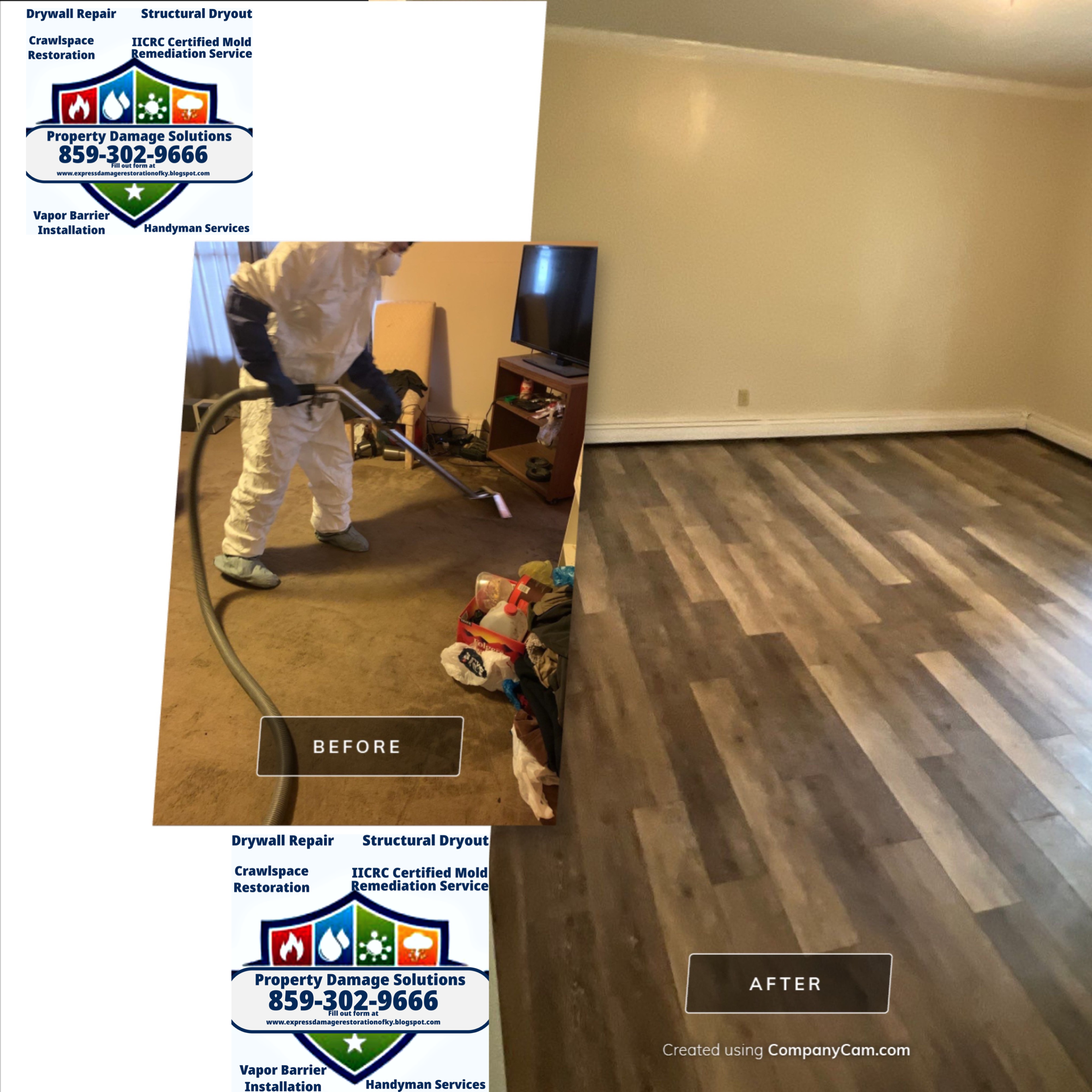
When disaster strikes, swift action is crucial to minimize damage and restore normalcy. At Property Damage Solutions, we specialize in emergency water extraction services for basements and crawlspaces in Richmond, Kentucky, and surrounding areas of central Kentucky. With our prompt response and expertise, we’ll help you mitigate water damage effectively, ensuring your property is restored to its pre-loss condition.
Expert Water Extraction Services
Our team of skilled professionals is equipped with state-of-the-art equipment and industry-leading techniques to tackle water emergencies of any scale. Whether it’s a burst pipe, flooding, or any other water-related catastrophe, we’re here to provide swift and efficient water extraction services.
Comprehensive Assessment and Planning
Upon arrival at your property, our certified technicians will conduct a thorough assessment of the water damage. We’ll determine the extent of the damage and formulate a tailored plan to address the situation effectively. Our goal is to minimize disruption to your life and property while ensuring thorough water extraction and drying.
Advanced Equipment and Techniques
At Property Damage Solutions, we utilize advanced water extraction equipment, including powerful pumps, extractors, and dehumidifiers, to remove water quickly and efficiently. Our team is trained in the latest techniques for water removal and structural drying, ensuring that your property is dried thoroughly to prevent mold growth and structural damage.
24/7 Emergency Response
Water emergencies can happen at any time, day or night. That’s why we offer 24/7 emergency response services to our clients in Richmond, Kentucky, and the surrounding areas. You can count on us to be there when you need us the most, ready to provide immediate assistance and peace of mind.
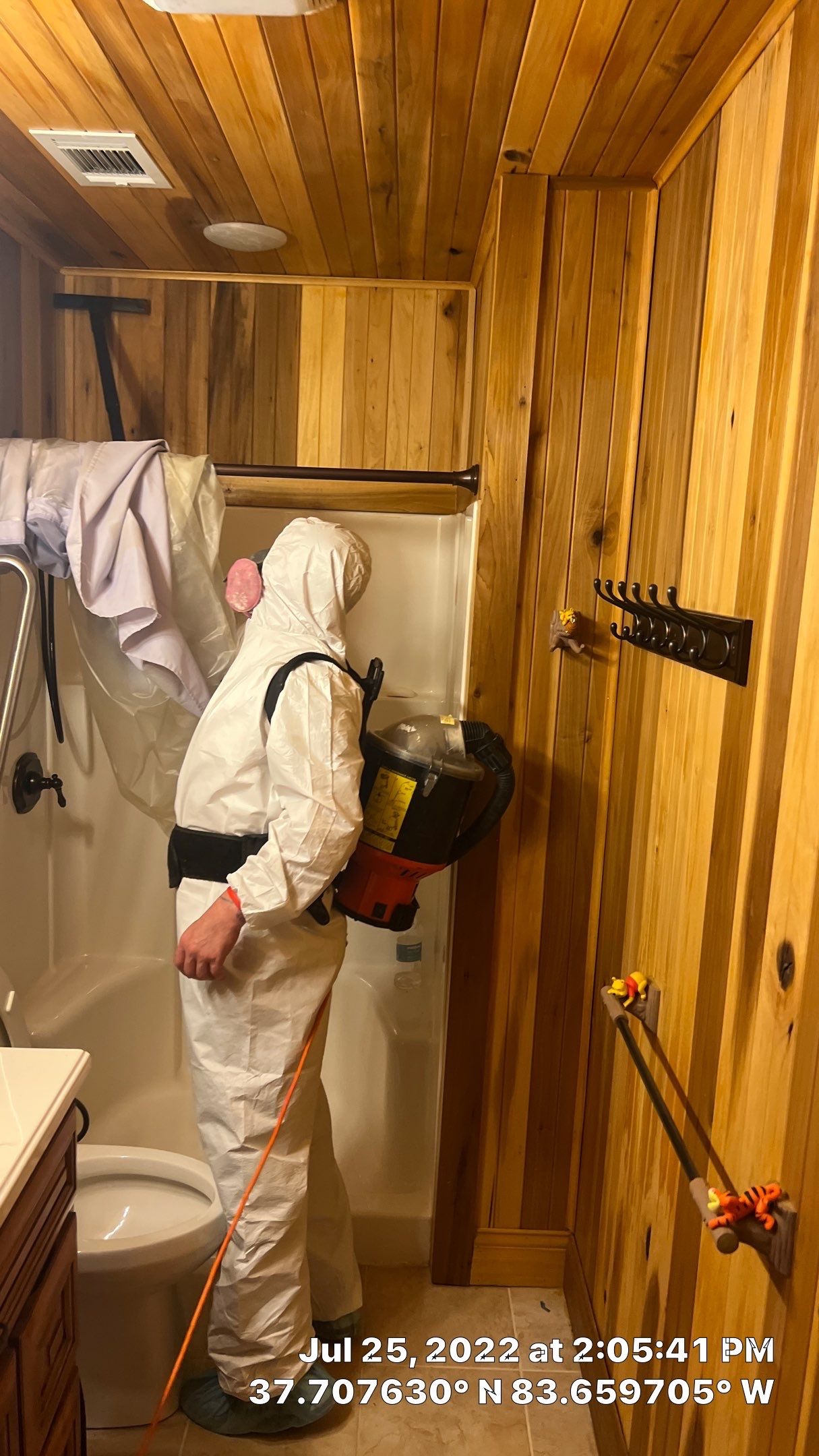
Licensed, Bonded, and Insured
Property Damage Solutions is a licensed, bonded, and insured water damage restoration company. We adhere to the highest industry standards and regulations to ensure the safety and satisfaction of our clients. With us, you can rest assured that your property is in capable hands.
Contact Us Today
 Call ☎️ 859-302-9666
Don’t let water damage wreak havoc on your property. If you’re facing a water emergency in your basement or crawlspace, don’t hesitate to contact Property Damage Solutions at 859-302-9666. Our team is standing by to provide prompt, professional assistance and help you restore your property to its former glory.
-
How Does A.T.P testing work

The following article explains; How Does A.T.P testing work.
ATP (Adenosine Triphosphate) testing is a method used to determine the presence of biological contamination, such as bacteria, yeast, or mold, in a sample. The test works by measuring the amount of ATP (a molecule found in all living cells) in a sample using a luminometer.

A.T.P Testing With A Luminometer Typically, the sample is mixed with a reagent called luciferin, which reacts with ATP to produce light. The amount of light produced is proportional to the amount of ATP present in the sample. The light emission is then measured by the luminometer, and the result is reported in relative light units (RLU). High RLU values indicate high levels of ATP and therefore high levels of biological contamination.
ATP testing is widely used in a variety of industries, including food safety, environmental monitoring, and healthcare, as a quick and simple way to assess the level of hygiene and cleanliness in a given area.
-
lexington, kentucky, mold damage, mold inspection company, mold remediation, mold removal, richmond,Kentucky, Water Damage, water damage cleanup, water damage cleanup company, water damage mitigation, water damage mitigation company, water damage restoration, water removal service near me, water restoration company
How to thaw frozen pipes

For emergency water removal call ☎️ (859)302-2702
Old man winter is unbearable as it is, water damage from burst frozen pipes in the middle of it can be a nightmare. Should your pipes freeze, the following will give you tips on how to thaw frozen pipes.
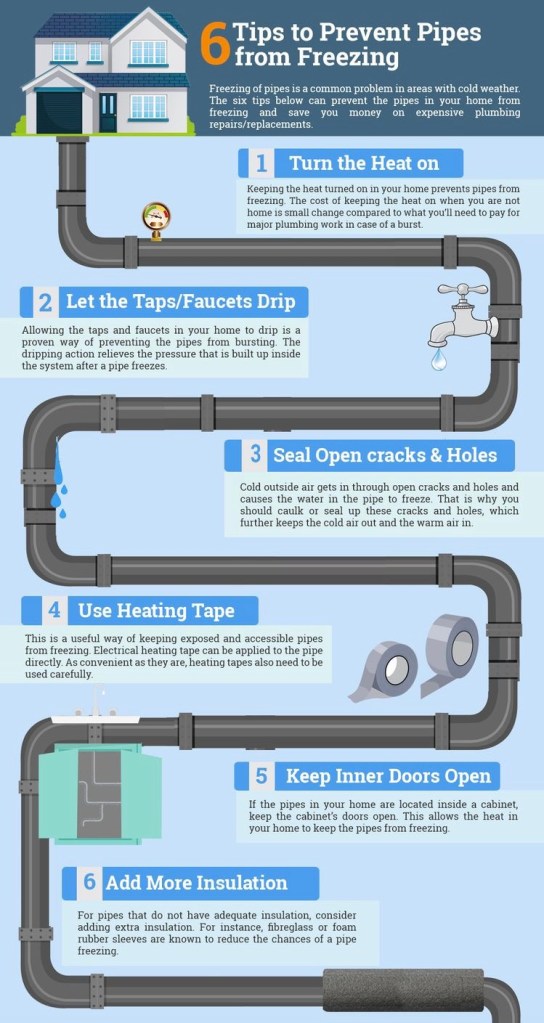
Tips on thawing frozen water pipes to parent water damage Thawing Frozen Pipes
What to do if a pipe bursts
https://www.lex18.com/news/unprecedented-number-of-water-pipes-break-in-lexington?_amp=true
If a pipe bursts in your home, you’ll need to act fast to mitigate additional damage. Shut off your water as quickly as possible. This will help minimize the amount of water that seeps out inside your walls. You may also want to shut off power in the affected area of your home. After you’ve taken these precautionary steps, it’s time to call a plumber and start mopping up any mess that’s been caused. Try to remove as much of the water and lingering moisture as you can to avoid mold and mildew buildup. Depending on the severity of your case, you may also need to bring in other professionals to address damage to your walls, carpet, flooring or ceiling.
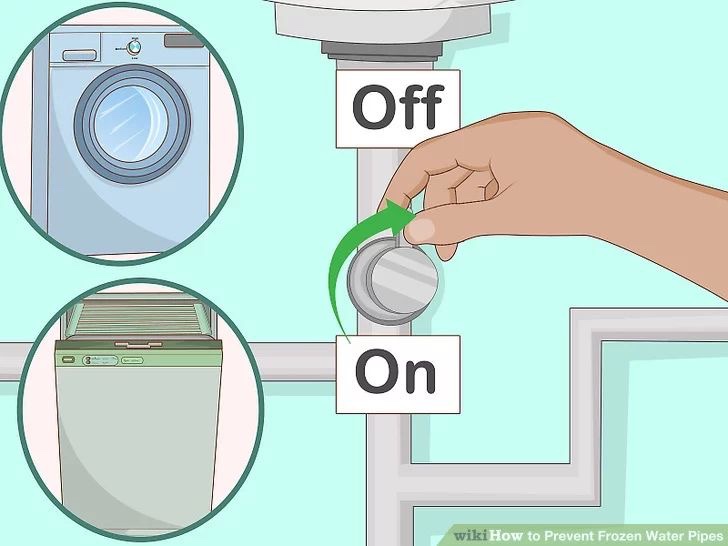
Shit water off to prevent water damage in case a pipe bursts How to thaw out pipes
How can you tell if your pipes are frozen? If you turn on the bathroom or kitchen faucet and see only a few drops or a trickle of water, this could indicate that water inside the pipes has frozen – preventing a free flow. But don’t panic. You may be more equipped to deal with the situation than you think. Here’s a quick lesson on how to thaw a frozen pipe.
Step 1. Turn on the faucet
Keep it running. Allowing the faucet to drip even slightly can help prevent a pipe from bursting. It’s simple – when freezing takes place, extreme pressure builds between the faucet and the ice blockage. An open faucet relieves this pressure buildup, in turn preventing a burst from occurring.
Step 2. Apply heat to the frozen area, thermal energy promotes drying.
Slowly apply heat using a hair dryer. There are several ways to do this. You can wrap the pipes in thermostatically controlled heat tape, or you can use an external heat source such as a hair dryer or space heater. Do not use a propane torch as this can damage the pipe and present a fire risk.
If you decide to use a hair dryer, begin directing air close to the faucet end of the pipe and gradually move toward the coldest section. Be careful not to overheat the hair dryer or blow a fuse. Remember, the faucet should be left on while heat is being applied.
Step 3. Continue to apply heat
Don’t stop heating until full water pressure is restored. Even then, it’s a good idea to leave the faucet open for a few minutes after the pipe is thawed. This will give the ice time to completely clear from the line.
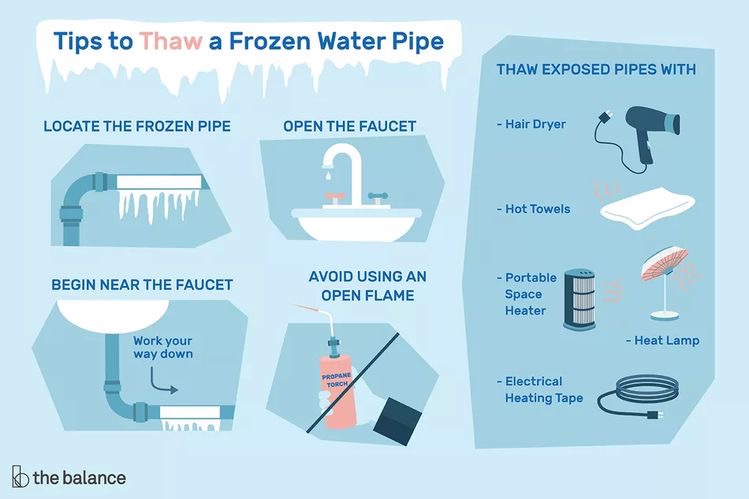
Ways to thaw frozen pipes Step 4. Check all faucets and prevent pipes from freezing in the future
Check each faucet in your home for any other frozen pipes. One frozen pipe may mean that others have been affected as well.
If the problem persists, contact a plumber. You can prevent pipes from freezing again by taking a few simple steps:
Before traveling, keep the temperature in your home above freezing and turn off all the water to your house.
Be sure to keep all water pipes, especially those close to outside walls, insulated with foam rubber or heating cable.
Keep cabinet doors open to allow air to circulate.
Let your faucets drip cold water – it is harder for a pipe to freeze even if there is a trickle of water flowing through. In order to not waste water, you can collect the drops and reuse it, possibly for cleaning or watering plants.
How long does it take for pipes to unfreeze?
Using any of the handful of methods on how to thaw frozen pipes will typically take about 30 minutes. This can vary depending on the weather, how long the pipe has been frozen and where the pipe is located. Any of these factors can cause the thawing process to take longer.2
And remember, a frozen pipe isn’t the only issue that comes with cold weather. Find out other ways to protect your home during the winter.
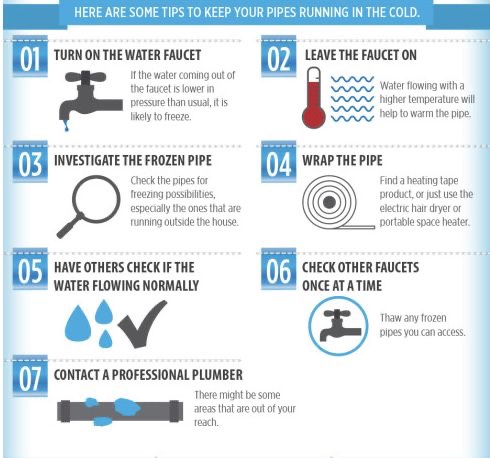
Ways to prevent frozen pipes Quick tip on drying if you have a pipe burst, find out the GPP (grains per pound) inside your home and then outside, you can do this by purchasing a thermometer hydrometer. If the gpp is lower outside than inside, then you can dry your home with what is known in the water damage restoration industry as “an open drying system. Click to check out our mold damage prevention tips there is more tips on how to dry a house out after water damage without water damage restoration equipment.
-
The Importance Of Air Duct Cleaning
The importance of Air Duct Cleaning
Indoor air quality is an essential aspect of any home, and one of the most significant contributors to poor indoor air quality is dirty air ducts. Air duct cleaning is an essential process that homeowners often overlook, but it can have a significant impact on the health and safety of your family. In this article, we will discuss the importance of air duct cleaning and why it should be a priority for homeowners.
BBB A+ Accredited Business What is air duct cleaning?
Air duct cleaning is the process of removing dirt, dust, and other contaminants from the ductwork of your HVAC system. This process includes cleaning the supply and return air ducts, registers, and diffusers. The goal of air duct cleaning is to improve indoor air quality by removing the pollutants that accumulate in your air ducts over time.
Why is air duct cleaning important?
1. Improves indoor air quality
The primary reason to clean your air ducts is to improve indoor air quality. Over time, dirt, dust, and other contaminants can accumulate in your air ducts, which can lead to poor indoor air quality. This can cause respiratory problems, allergies, and other health issues. Air duct cleaning removes these contaminants, improving the quality of the air you breathe.
2. Reduces energy costs
When your air ducts are dirty, your HVAC system has to work harder to circulate air throughout your home. This can increase your energy bills and put unnecessary strain on your system. Air duct cleaning can improve the efficiency of your HVAC system, reducing energy costs and extending the life of your system.
3. Extends the life of your HVAC system
Dirty air ducts can cause your HVAC system to work harder than it needs to, putting unnecessary strain on the system. This can lead to breakdowns and costly repairs. By cleaning your air ducts, you can extend the life of your HVAC system and avoid costly repairs.
4. Reduces allergens and irritants
Air ducts can accumulate allergens and irritants, such as pet dander, pollen, and dust mites. These contaminants can exacerbate allergies and other respiratory problems. Air duct cleaning can remove these allergens and irritants, improving the overall health and well-being of your family.
5. Improves the cleanliness of your home
Finally, air duct cleaning can improve the cleanliness of your home. When your air ducts are dirty, the contaminants can circulate throughout your home, settling on furniture, floors, and other surfaces. Air duct cleaning can remove these contaminants, reducing the amount of dust and dirt in your home.
Conclusion
In conclusion, air duct cleaning is an essential process that homeowners should not overlook. It can improve indoor air quality, reduce energy costs, extend the life of your HVAC system, reduce allergens and irritants, and improve the cleanliness of your home. If you are a homeowner, consider investing in air duct cleaning to improve the health and safety of your family and your home.
Are you concerned about the quality of the air you breathe in your home? Do you want to improve the efficiency and lifespan of your HVAC system? Look no further than our air duct cleaning services!
At our company, we understand the importance of indoor air quality, and we’re here to help. Our air duct cleaning services are designed to remove dirt, dust, and other contaminants from your ductwork, improving the air you breathe and the efficiency of your HVAC system.
Our trained professionals use state-of-the-art equipment to thoroughly clean your air ducts, registers, and diffusers. We take pride in our work and are committed to providing you with the best possible service. We understand that every home is different, which is why we offer customized solutions to meet your specific needs.
By choosing our air duct cleaning services, you can enjoy a range of benefits, including improved indoor air quality, reduced energy costs, extended HVAC system lifespan, reduced allergens and irritants, and a cleaner home. Plus, our services are affordable and hassle-free, so you can breathe easy knowing that your home is in good hands.
Don’t wait any longer to improve the health and safety of your family and your home. Contact us today to schedule your air duct cleaning appointment and experience the difference our services can make.
For Professional Duct cleaning call ☎️ (502)503-1902
-
How to Install a French Drain
Are you tired of water pooling around your house or basement? A French drain is a simple solution that can prevent water damage to your property. In this article, we will guide you on how to install a French drain, step by step.
What is a French drain?
window.addEventListener(‘load’, function(event) {
window.provenExpert.proSeal({
widgetId: “db39c985-6f9f-4cd5-b924-fd45551f6e02″,
language:”en-US”,
bannerColor: “#0DB1CD”,
textColor: “#FFFFFF”,
showReviews: true,
hideDate: true,
hideName: false,
hideOnMobile: false,
bottom: “130px”,
stickyToSide: “right”,
googleStars: false,
zIndex: “9999”,
displayReviewer: false,
displayReviewerLastName: false,
})
});A French drain is a trench filled with gravel or rock that redirects surface and groundwater away from your house or property. The drain is sloped downward, allowing water to flow towards a designated outlet, such as a dry well or storm drain. A French drain can prevent water from damaging your home’s foundation, basement, or yard.
Step 1: Plan the French drain installation
Before you start digging, plan the French drain installation. Identify the area where the water is pooling and determine where you want the drain to lead. Make sure the slope is adequate to allow the water to flow away from your property.
Step 2: Dig the trench
Using a shovel or a trenching machine, dig a trench that is at least 18 inches deep and 12 inches wide. The trench should slope downwards, with a minimum grade of 1% or 1/8 inch per foot. If you need to turn the trench, create a gentle curve to prevent water from getting trapped in corners.
Step 3: Add a layer of gravel
Place a layer of gravel or rock at the bottom of the trench, about 2-3 inches deep. The gravel will help to filter the water and prevent clogging.
Step 4: Install the perforated drain pipe
Lay the perforated drain pipe on top of the gravel, with the perforations facing down. Connect the drain pipe to a solid pipe that will lead the water away from your property. Use PVC pipes or corrugated plastic pipes for the solid pipe.
Step 5: Cover the drain pipe with gravel
Cover the drain pipe with another layer of gravel, about 4-6 inches deep. Make sure the gravel covers the pipe completely, leaving no gaps. The gravel will help to filter the water and prevent debris from entering the pipe.
Step 6: Cover the trench
Cover the trench with soil and pack it firmly to prevent settling. Make sure the soil is sloped away from your property to prevent water from flowing back towards your home.
Step 7: Test the French drain
After the installation, test the French drain by pouring water into the trench. Observe how the water flows and check for any leaks or clogs. Make any necessary adjustments to ensure the drain is working properly.
Conclusion
Installing a French drain can be a DIY project that can save you money and prevent water damage to your property. By following these simple steps, you can install a French drain that will effectively redirect water away from your home. Remember to plan the installation carefully, use proper materials, and test the drain to ensure it is working correctly.
How to Install a French Drain – A Step-by-Step Guide
Plan the InstallationDig the TrenchAdd a Layer of Gravel kyInstall the Perforated Drain PipeCover the Drain Pipe with GravelCover the TrenchTest the French Drain
-
Dealing With Water Damage
Dealing with Water Damage – What to do When Disaster Strikes
window.addEventListener(‘load’, function(event) {
window.provenExpert.proSeal({
widgetId: “db39c985-6f9f-4cd5-b924-fd45551f6e02″,
language:”en-US”,
bannerColor: “#0DB1CD”,
textColor: “#FFFFFF”,
showReviews: true,
hideDate: true,
hideName: false,
hideOnMobile: false,
bottom: “130px”,
stickyToSide: “right”,
googleStars: false,
zIndex: “9999”,
displayReviewer: false,
displayReviewerLastName: false,
})
});Water damage is a common problem that many homeowners and property managers face. Whether it’s due to heavy rainfall, a burst pipe, or a leaking appliance, the damage can be devastating. In this blog, we will discuss the steps you need to take when dealing with water damage.
-
Turn off the Water Source: The first step is to turn off the water source to prevent further damage. If you can’t find the main water valve, contact a plumber or your local water company for assistance.
-
Call a Restoration Company: Next, call a professional restoration company to assess the damage and provide you with a plan of action. They will use specialized equipment such as dehumidifiers and air movers to remove water and dry out affected areas.
-
Remove Standing Water: Remove any standing water from the affected area as soon as possible. This will prevent further damage and reduce the risk of mold growth.
-
Document the Damage: Take photos or videos of the damage to provide to your insurance company. Keep any receipts or invoices for repair and restoration work done.
-
Prevent Mold Growth: Mold can start to grow within 24-48 hours of water damage. To prevent mold growth, the affected area must be completely dried out. A professional restoration company can ensure that this is done correctly.
-
Repair and Restore: Finally, repair any damage and restore your property to its pre-damage condition. A professional restoration company will work with you to ensure that all repairs are done correctly and to your satisfaction.

In conclusion, water damage can be a traumatic experience, but it’s essential to act fast to prevent further damage and reduce the risk of mold growth. Contact a professional restoration company for assistance, and follow the steps outlined above to ensure that your property is restored to its pre-damage condition.
-
-
Mold Damage Removal And Remediation
Mold Damage Removal And Remediation The post Mold Damage Removal And Remediation appeared first on Local Water And Fire Damage Mitigation Contractor …
Mold Damage Removal And Remediation
-


Dont Let Water Damage Destroy Your House
Call For An Inspection: (859)302-2702
We Servere:
Lexington, Kentucky
Richmond,Kentucky
Newby,Kentucky
Nicholasvillle,Kentucky
Georgetown, Kentucky
Winchester, Kentucky
Follow Me On
Subscribe To My Newsletter
Subscribe for new travel stories and exclusive content.
 Water Damage Mitigation Contractor