


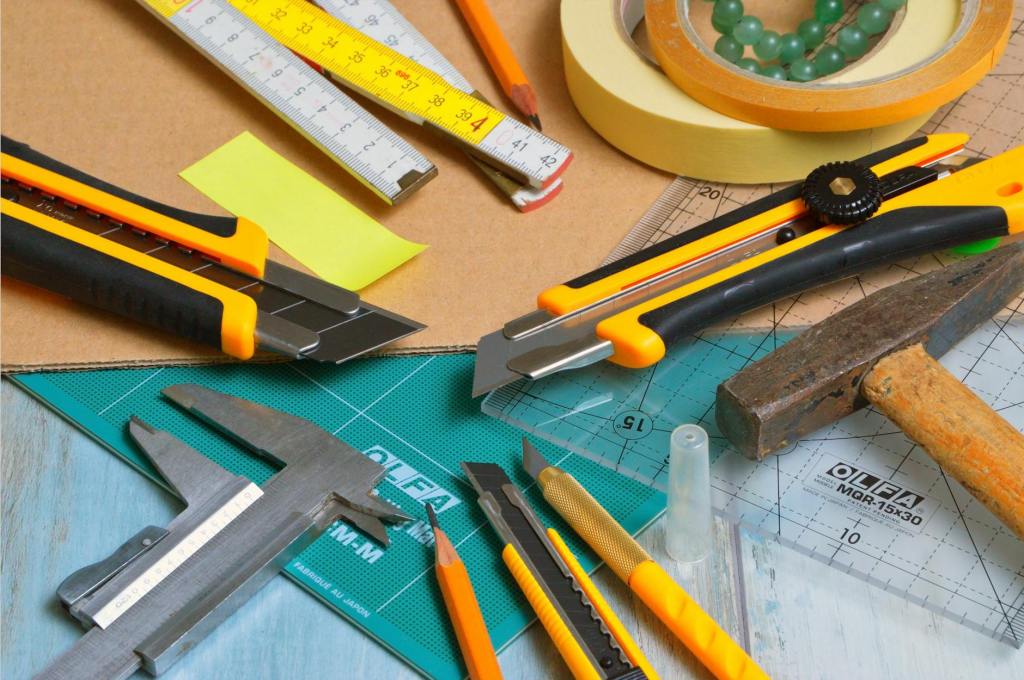
Starting a handyman business can be a rewarding venture, offering a steady stream of work and the opportunity to provide valuable services to your community. However, setting up a successful handyman business requires more than just skills; you need the right tools and equipment. Here’s a guide on the essential tools you’ll need to start a handyman business, along with average pricing and other relevant considerations to ensure your business gets off the ground smoothly.1. Basic Hand ToolsThe foundation of any handyman’s toolkit consists of basic hand tools. These are the essential items for everyday tasks and minor repairs.Hammer: A standard claw hammer for driving nails and other general tasks.

Average Price: $15 – $30Screwdrivers: A set of both flathead and Phillips screwdrivers in various sizes.
Average Price: $20 – $50 for a setPliers: A variety of pliers, including needle-nose, slip-joint, and locking pliers, for gripping, bending, and cutting wires.
Average Price: $10 – $40 per pairTape Measure: A durable 25-foot tape measure for accurate measurements.
Average Price: $10 – $20Utility Knife: A retractable utility knife for cutting various materials.
Average Price: $10 – $20Wrenches: A set of adjustable wrenches and a combination wrench set for tightening and loosening bolts.
Average Price: $30 – $100 for a set2. Power ToolsWhile hand tools are essential, power tools will save you time and effort, allowing you to handle more complex tasks.Cordless Drill: A versatile tool for drilling holes and driving screws, especially useful for drywall and woodwork.
Average Price: $60 – $150Circular Saw: Ideal for cutting wood and other materials for home improvement projects.
Average Price: $50 – $150Jigsaw: Useful for cutting shapes into wood and other materials.
Average Price: $30 – $100Reciprocating Saw: Great for demolition work, such as cutting through wood and metal.
Average Price: $50 – $150Power Sander: Essential for smoothing surfaces and preparing wood for painting or varnishing.
Average Price: $30 – $100Impact Driver: Offers more torque than a standard drill, making it suitable for tougher tasks like driving long screws into dense materials.
Average Price: $80 – $2003. Specialty ToolsDepending on the specific services you plan to offer, you might need some specialty tools.Stud Finder: Helps locate wall studs for hanging heavy items.
Average Price: $20 – $50Level: A laser or bubble level for ensuring that installations are straight and level.
Average Price: $10 – $50Pipe Wrench: Necessary for plumbing work, such as tightening or loosening pipes.
Average Price: $15 – $30Voltage Tester: Crucial for electrical work to ensure wires are safe to handle.
Average Price: $10 – $30Caulking Gun: Needed for sealing gaps around windows, doors, and other areas.
Average Price: $10 – $204. Safety EquipmentSafety should always be a priority in any handyman business. Having the right safety gear can prevent injuries and keep your work environment secure.Safety Glasses: Protects your eyes from dust, debris, and other hazards.
Average Price: $10 – $20Ear Protection: Earplugs or earmuffs to protect against loud noises, especially when using power tools.
Average Price: $10 – $30Gloves: A sturdy pair of work gloves to protect your hands from cuts and abrasions.
Average Price: $10 – $25Dust Mask/Respirator: Protects against inhaling dust and fumes during certain tasks like sanding or painting.
Average Price: $10 – $305.
TransportationHaving reliable transportation is crucial for a handyman business, as you’ll need to travel to different job sites and carry your tools. A van or a pickup truck is often ideal, offering enough space to transport all your equipment securely.Used Van or Truck: A reliable used vehicle in good condition.
Average Price: $5,000 – $20,000, depending on the make, model, and condition.6. Tool Storage and OrganizationKeeping your tools organized will save you time and make you more efficient on the job.Toolbox: A sturdy toolbox for smaller hand tools.
Average Price: $20 – $100Tool Belt: A tool belt allows you to keep essential tools within easy reach while working.
Average Price: $20 – $50Tool Bag: A portable tool bag for carrying power tools and larger items.
Average Price: $30 – $707. Business EssentialsBeyond tools, you’ll need some other essentials to start your handyman business successfully.Licensing and Permits: Check local regulations to determine what licenses and permits you need to operate legally.
Average Cost: $50 – $400, depending on location and services offered.Insurance: General liability insurance is crucial for protecting yourself and your business from potential claims.
Average Cost: $500 – $1,500 per year, depending on coverage.Marketing Materials: Business cards, flyers, a professional website, and advertising to attract customers.
Average Cost: $100 – $1,000, depending on the scale of marketing.8. Training and CertificationWhile many handyman tasks can be learned through hands-on experience, some areas, such as electrical or plumbing work, may require formal training and certification. Investing in courses or certifications can improve your credibility and expand the range of services you offer.Training Courses: Online or local community college courses in specialized areas.
Average Cost: $100 – $500 per course.Final ThoughtsStarting a handyman business can be a profitable and satisfying endeavor. By investing in the right tools, ensuring proper licensing and insurance, and effectively marketing your services, you can build a reputable business. While the initial investment might seem significant, these tools and essentials will pay for themselves over time as you establish a steady stream of clients. Remember, quality work and customer satisfaction are key to building a successful handyman business.

 Water Damage Mitigation Contractor
Leave a comment