Containing Mold At The Source Until Ready Or Able To Remediate
Professional Mold Remediation: Safeguarding Your Home and Health
Why It’s Best to Get a Professional to Remediate Microbial Growth
Microbial growth, particularly mold, can pose significant health risks and cause extensive damage to your property if not addressed promptly and effectively. While it might be tempting to tackle microbial growth on your own, hiring a professional remediation service is often the best course of action. Here’s why:
1. Expert Knowledge and Training
Professionals in microbial remediation are highly trained and certified to handle various types of mold and other microbial growth. They possess in-depth knowledge about the different species of mold, their growth patterns, and the appropriate techniques for removal. For instance, the Institute of Inspection, Cleaning and Restoration Certification (IICRC) provides rigorous training and certification to ensure professionals are equipped with the latest industry standards and best practices.
2. Comprehensive Assessment and Identification
One of the critical steps in effective microbial remediation is a thorough assessment of the affected area. Professionals use advanced tools and methods to identify the type and extent of microbial growth. This assessment is crucial for developing an appropriate remediation plan. DIY approaches often miss hidden mold, leading to incomplete remediation and recurring problems.
3. Specialized Equipment
Professional remediators use specialized equipment that is often not accessible to the general public. This includes HEPA (High-Efficiency Particulate Air) vacuums, air scrubbers, dehumidifiers, and moisture meters. These tools are essential for effective mold removal, air purification, and moisture control, ensuring that the environment is thoroughly cleaned and safe.
4. Effective Containment and Removal
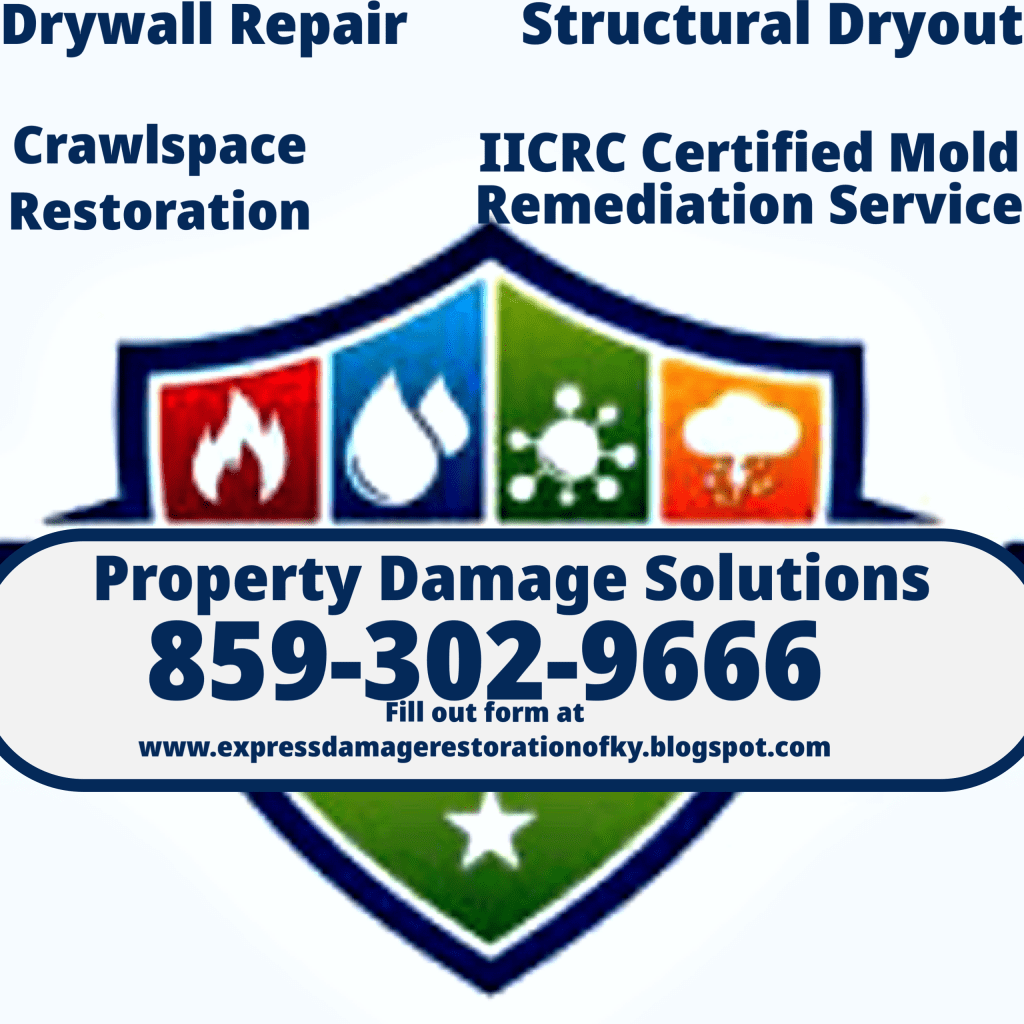
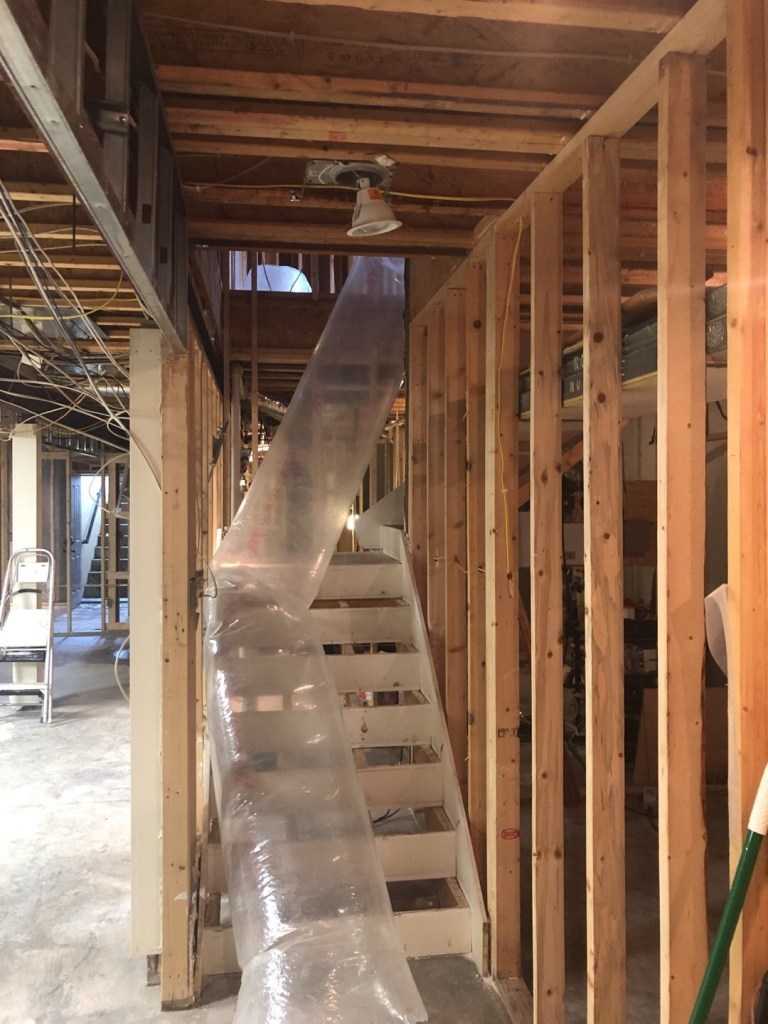
Professionals are trained in proper containment methods to prevent the spread of mold spores to unaffected areas of the property. They use techniques such as negative air pressure, physical barriers, and specialized air filtration systems. Effective containment is critical to ensure that mold remediation is successful and that the mold does not spread, causing further damage and health risks.
5. Health and Safety
Mold exposure can cause a range of health issues, including respiratory problems, allergic reactions, and even neurological effects. Professional remediators are equipped with personal protective equipment (PPE) and follow strict safety protocols to protect themselves and the occupants of the property. DIY efforts often lack these safety measures, putting individuals at risk of exposure to harmful mold spores.
6. Preventive Measures
After removing the mold, professionals also take steps to prevent future growth. This may include addressing the underlying moisture problem, applying antimicrobial treatments, and recommending improvements in ventilation and insulation. These preventive measures are critical in ensuring that the mold does not return, which is something DIY solutions often fail to guarantee.
7. Insurance and Documentation
Professional remediation services provide thorough documentation of the work performed, which is essential for insurance claims. They can offer detailed reports, including the assessment, remediation plan, and post-remediation verification. This documentation can be crucial for homeowners dealing with insurance companies, as it provides proof of professional intervention and successful remediation.
8. Peace of Mind
Hiring a professional gives you peace of mind, knowing that the problem is being handled by experts. You can be confident that the mold has been effectively removed and that your home is safe for you and your family. The reassurance of a job well done by certified professionals far outweighs the temporary cost savings of a DIY approach.
Conclusion
While DIY mold removal might seem like a cost-effective solution, the risks and potential pitfalls make professional remediation the better choice. Professionals offer the expertise, equipment, and thorough approach needed to effectively and safely remove microbial growth. For reliable and certified mold remediation, trust the experts at Property Damage Solutions. Contact us at (859)302-9666 or email propertydamage123@gmail.com to ensure your home is safe and mold-free.
Whiskey fungus, or Baudoinia compniacensis, is a type of black mold that thrives on the ethanol vapors released during the production and aging of whiskey. This fungus can become quite problematic, especially in areas near distilleries and aging warehouses. Here’s how bad whiskey fungus can get:
1. Aesthetic Damage
- Widespread Coverage: Whiskey fungus can cover buildings, vehicles, outdoor furniture, and trees with a black soot-like substance.
- Difficult to Clean: It requires persistent cleaning efforts, as it can quickly return due to the continuous release of ethanol vapors.
2. Structural Concerns
- Material Degradation: Over time, the constant growth of the fungus can degrade materials like paint, brick, and wood, potentially leading to costly repairs and maintenance.
3. Environmental Impact
- Plant Damage: Whiskey fungus can affect plant life, covering leaves and reducing photosynthesis, which may harm the local vegetation.
4. Economic Impact
- Property Values: Properties near distilleries can suffer from decreased value due to the unsightly appearance caused by the fungus.
- Increased Maintenance Costs: Regular cleaning and property upkeep to combat the fungus can become a significant financial burden.
5. Health Concerns
- Respiratory Issues: Although whiskey fungus is not typically harmful to humans, there are concerns about potential respiratory issues, especially for those with preexisting conditions or allergies.
Preventive Measures and Solutions
- Barrier Planting: Planting trees and shrubs around the property can help absorb some of the ethanol vapors, potentially reducing the growth of the fungus.
- Improved Ventilation: Enhancing the ventilation around distilleries and aging warehouses can help dissipate ethanol vapors more effectively.
- Regular Cleaning: Implementing a regular cleaning schedule for affected areas can help manage the visible impact of the fungus.
Community and Legal Actions
In some regions, communities have taken legal actions against distilleries to mitigate the impact of whiskey fungus. This has led to some distilleries investing in better containment of ethanol vapors and improved environmental controls to reduce the spread of the fungus.
Whiskey fungus represents a significant nuisance and potential economic burden for those living near distilleries. While it poses primarily aesthetic and maintenance challenges, the broader implications for property values and community well-being underscore the importance of addressing this issue effectively.
 Water Damage Mitigation Contractor
Leave a comment