
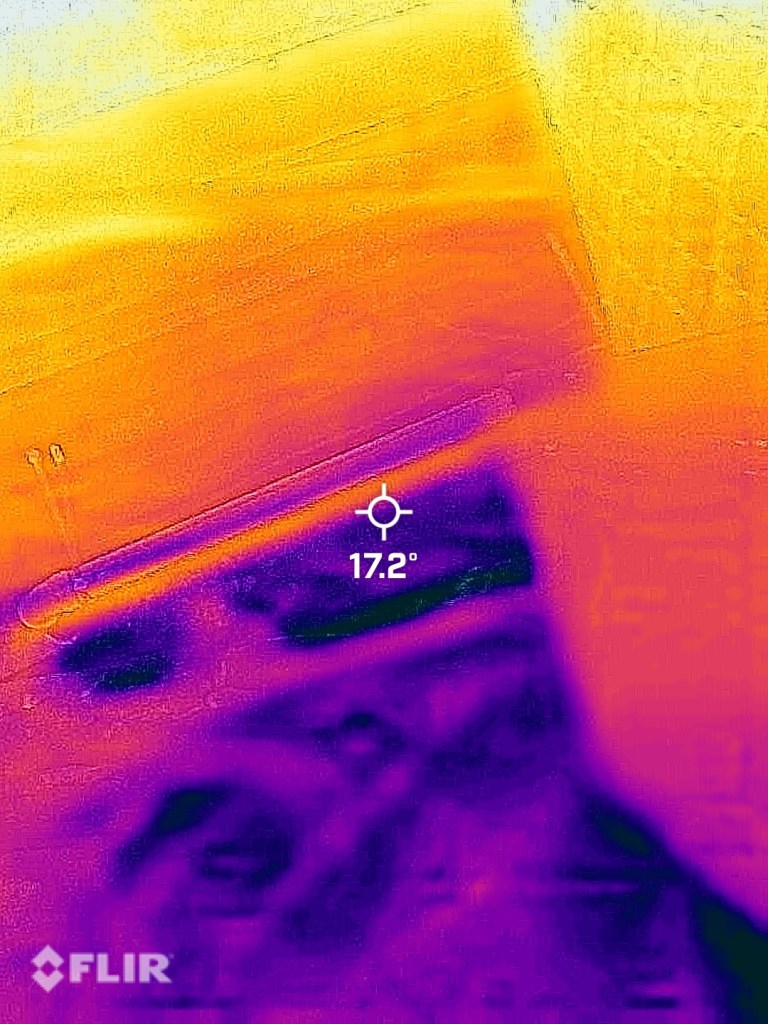
Safeguarding Your Home: Practical Tips to Prevent Frozen Pipes
Introduction:
As winter approaches, the risk of frozen pipes looms, potentially causing significant damage to your home. However, with proactive measures and a bit of know-how, you can safeguard your plumbing from the chilling effects of icy temperatures. In this comprehensive guide, we’ll explore a range of practical tips to prevent frozen pipes and ensure a smooth winter for your home.

- Insulate Exposed Pipes:
One of the fundamental steps in preventing frozen pipes is insulation. Identify any exposed pipes in unheated areas like crawlspaces, attics, or basements, and insulate them using foam or pipe sleeves. This provides a barrier against the cold, minimizing the risk of freezing. - Seal Gaps and Cracks:
Cold drafts can find their way into your home through gaps in walls, windows, or floors, exposing pipes to freezing temperatures. Seal these gaps using weatherstripping or caulk to maintain a warm interior and protect your plumbing. - Keep Your Home Well-Heated:
Maintaining a consistent and adequate indoor temperature is crucial during winter. Set your thermostat to at least 55°F (13°C) when you’re away to ensure a warm environment for your pipes. This prevents them from reaching freezing temperatures and minimizes the risk of bursting. - Allow Faucets to Drip:
When temperatures plummet, especially during extreme cold spells, let faucets drip slowly. This helps relieve pressure within the pipes, reducing the likelihood of freezing. Focus on faucets connected to pipes along exterior walls or in unheated areas. - Disconnect and Store Garden Hoses:
Before winter sets in, disconnect and drain your garden hoses. Storing them in a sheltered location prevents water from freezing in the hoses and extends their lifespan. Additionally, shut off exterior faucets from inside to prevent any water remnants from freezing. - Open Cabinet Doors:
Pipes under sinks in kitchens and bathrooms are often susceptible to freezing. Open cabinet doors to allow warm air circulation around the pipes. This simple step enhances the overall temperature in these spaces, reducing the risk of freezing. - Ventilate Crawlspaces:
Adequate ventilation in crawlspaces is essential. Ensure vents are open to allow warmer air to circulate, preventing pockets of cold air that could impact the pipes. Consider using fans to improve airflow in enclosed spaces. - Use Heat Tape or Cable:
For particularly vulnerable pipes, consider installing heat tape or cable. These products provide an additional layer of warmth and can be wrapped around pipes to prevent freezing. Always follow the manufacturer’s guidelines for proper installation. - Utilize Space Heaters:
In areas where pipes are at risk, deploy portable space heaters. These can provide localized warmth, especially in basements, attics, or other unheated spaces. Exercise caution and follow safety guidelines when using space heaters. - Monitor Pipes Regularly:
Regular inspection is key to identifying potential issues before they escalate. Look for signs of freezing, such as frost on pipes or a decrease in water pressure. Act promptly if you notice any problems to prevent further damage.
Conclusion:
By implementing these proactive measures, you can fortify your home against the threat of frozen pipes. From insulation to controlled heating and vigilant monitoring, each step plays a crucial role in ensuring your plumbing remains functional and intact throughout the winter months. Remember, a little preparation goes a long way in safeguarding your home from the winter chill.


If you’d like for us to come out and do an assessment to make sure your homes ready for winters to come.☎️859-302-9666
 Water Damage Mitigation Contractor
Leave a comment